

![Multisport Modular Tile System | Wheelchair Sports Sports Flooring Sprung Gym Flooring Green]()
![Multisport Modular Tile System | Wheelchair Sports Sports Flooring Sprung Gym Flooring Blue]()
![Padel Ball Court System | Includes Court Markings Sprung Gym Flooring Grey]()
![Pickleball Court System | Includes Court Markings Sprung Gym Flooring Dark Grey]() Uitverkoop
Uitverkoop-
![Futsal Outdoor Court System | Includes Court Markings Sports Flooring GymFloors Red Solid]()
![Futsal Outdoor Court System | Includes Court Markings Sports Flooring GymFloors Red Open]()
![Futsal Outdoor Court System | Includes Court Markings Sports Flooring GymFloors Green Open]()
![Futsal Outdoor Court System | Includes Court Markings Sports Flooring GymFloors Blue Solid]()
![Futsal Outdoor Court System | Includes Court Markings Sports Flooring GymFloors Blue Open]() Uitverkoop
UitverkoopOutdoor Futsal Court System with Court Markings
Van £18,266.51£22,833.13Eenheid prijs /Niet beschikbaar -
![BOEN - Boflex Olympia Sprung Sports floor Sports Flooring Boen Ash]()
![BOEN - Boflex Olympia Sprung Sports floor Sports Flooring Boen Beech]()
![BOEN - Boflex Olympia Sprung Sports floor Sports Flooring Boen Canadian Maple]()
![BOEN - Boflex Olympia Sprung Sports floor Sports Flooring Boen]() Uitverkoop
Uitverkoop -
![BOEN - Arenaflex Flexbat Stadium Sprung Flooring Sports Flooring Boen Ash]()
![BOEN - Arenaflex Flexbat Stadium Sprung Flooring Sports Flooring Boen Beech]()
![BOEN - Arenaflex Flexbat Stadium Sprung Flooring Sports Flooring Boen Canadian Maple]()
![BOEN - Arenaflex Flexbat Stadium Sprung Flooring Sports Flooring Boen]() Uitverkoop
UitverkoopBOEN - Arenaflex Stadium Flexbat Sprung Flooring
Van £112.00£140.00Eenheid prijs /Niet beschikbaar -
Uitverkoop
-
![BOEN - Boflex Stadium Sprung Sports Flooring Sports Flooring Boen Ash]()
![BOEN - Boflex Stadium Sprung Sports Flooring Sports Flooring Boen Beech]()
![BOEN - Boflex Stadium Sprung Sports Flooring Sports Flooring Boen Canadian Maple]()
![BOEN - Boflex Stadium Sprung Sports Flooring Sports Flooring Boen]() Uitverkoop
Uitverkoop -
Uitverkoop




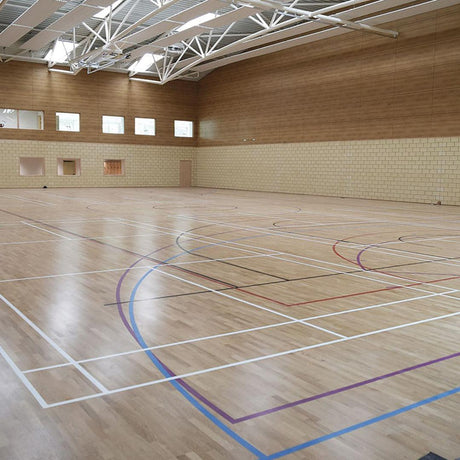
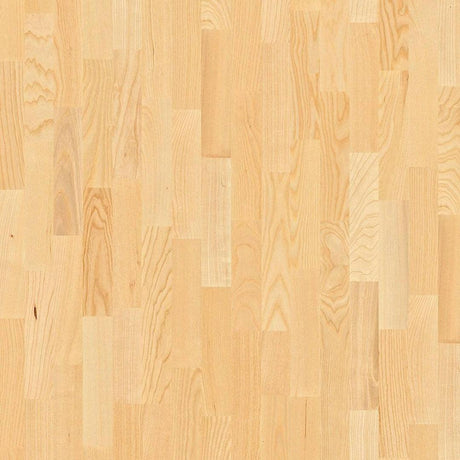
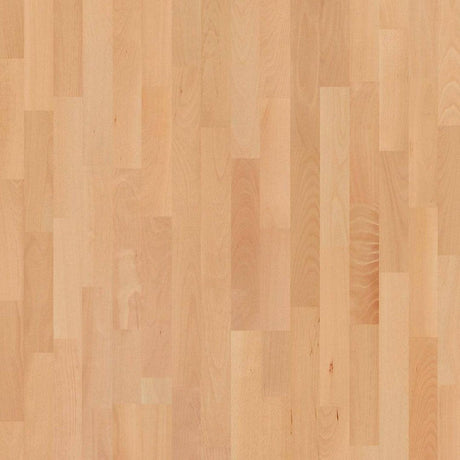
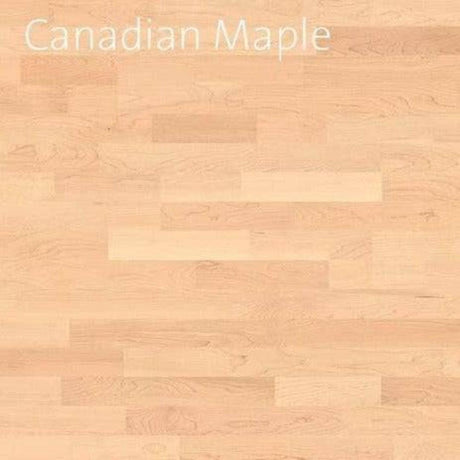




Futsal is fast, technical and highly dependent on the quality of the playing surface. Quick passing, close control, sudden turns and repeated accelerations all require flooring that gives players reliable grip without restricting natural movement.
Our futsal flooring range includes solutions for indoor sports halls, dedicated outdoor courts, schools, leisure centres, football clubs and community facilities. Choose from weather-resistant modular tiles, ready-lined court systems and professional sprung floors designed for frequent indoor sport.
The right option will depend on where the court is being installed, how regularly it will be used and whether it needs to accommodate other activities alongside futsal.
Looking for Futsal Court Flooring?
A good futsal surface should support fast ball movement while remaining comfortable and dependable underfoot. Flooring that is too rough can interrupt the roll of the ball, while a surface with insufficient grip may become difficult to play on during rapid changes of direction.
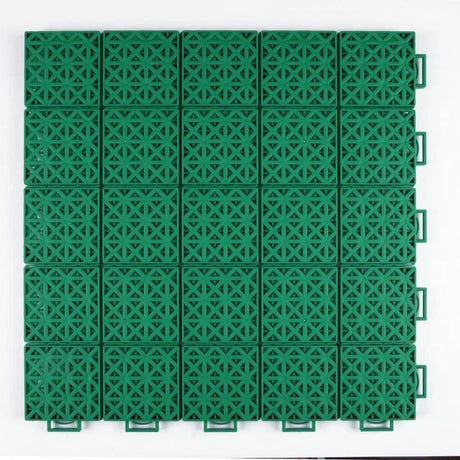
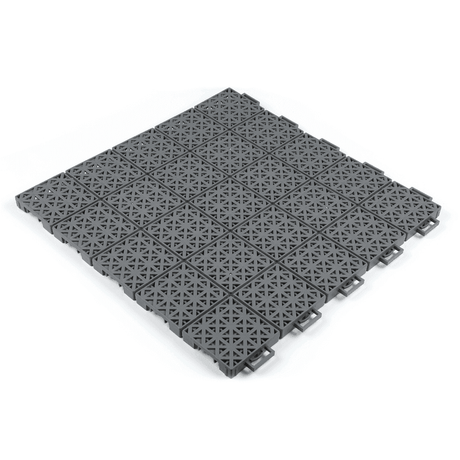
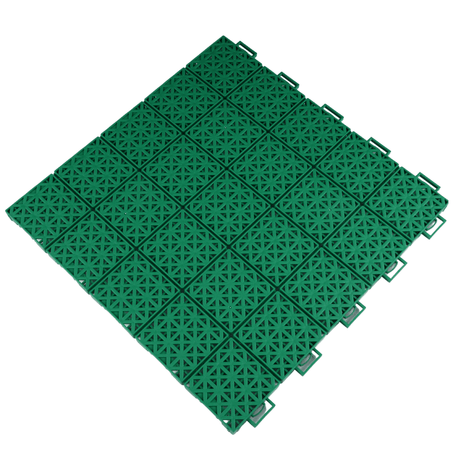
For outdoor facilities, polypropylene modular tiles provide a practical alternative to bare concrete or painted asphalt. The tiles create a consistent playing layer above the existing base and include an open structure that allows rainwater to drain through the court.
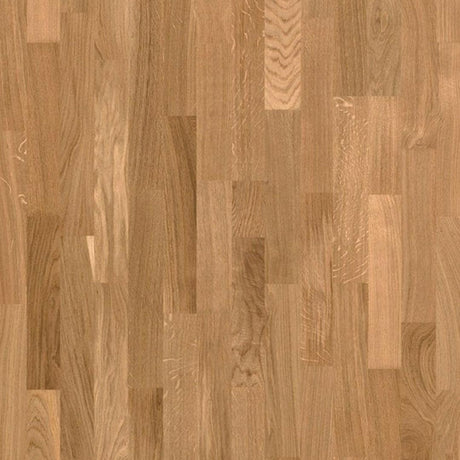
Indoor projects may require a different type of system. Professional wood sports flooring provides a traditional sports-hall finish, while vinyl sports flooring can be suitable for multi-activity environments where easy maintenance and a consistent surface are priorities.
Indoor Futsal Flooring
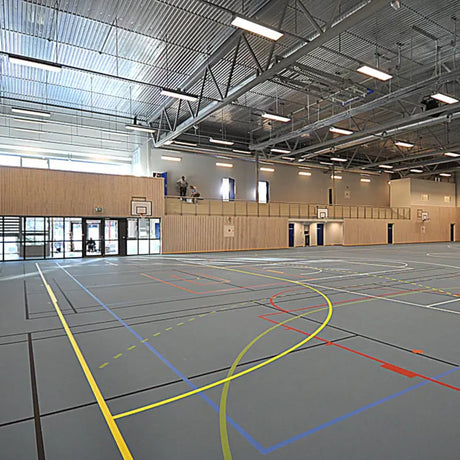
Indoor futsal is normally played on a smooth, firm court rather than artificial turf. The surface should allow the reduced-bounce futsal ball to travel consistently and should provide enough traction for controlled turning, passing and shooting.
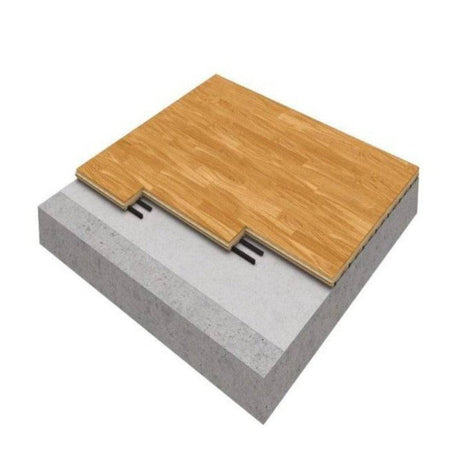
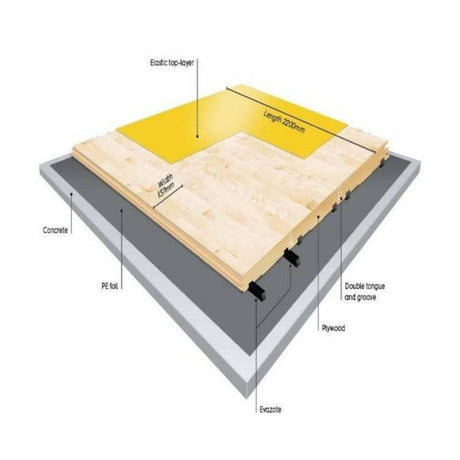
Sprung timber systems are particularly well suited to purpose-built sports halls. Their area-elastic construction helps distribute impact across a wider section of the floor, rather than compressing only beneath the player’s foot. This can make the court feel more comfortable during repeated running, jumping and directional movement.
An indoor court should also be selected with the wider facility in mind. Many halls are used for basketball, badminton, netball, volleyball, exercise classes and community events as well as futsal. In these environments, a versatile indoor sports hall flooring system may provide better long-term value than a surface chosen for one activity alone.
Consider:
- The amount of grip required for court footwear
- Ball roll and bounce consistency
- Shock absorption and player comfort
- Compatibility with retractable goals and sports equipment
- Line-marking requirements for other activities
- Cleaning, maintenance and expected daily use
The subfloor must also be level, dry and structurally suitable for the chosen system. Sprung wood and permanent vinyl installations usually require more detailed preparation than loose-laid modular tiles, so the condition of the existing base should be assessed early in the project.
Outdoor Futsal Flooring
Outdoor courts have to manage rain, UV exposure, frost, dirt and temperature changes while continuing to provide predictable playing conditions.
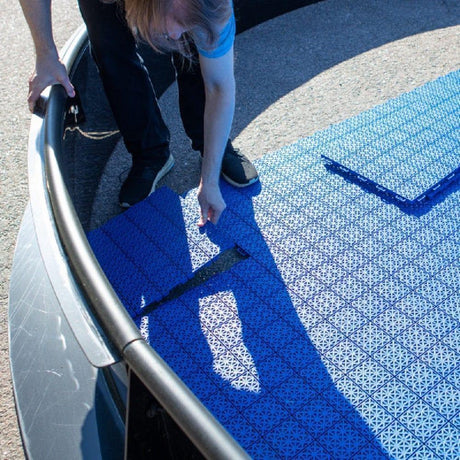
Our modular sports court tiles are designed to interlock above a firm, level base. Their perforated construction allows surface water to pass through the tiles rather than remaining across the playing area. This helps the court dry more quickly after wet weather and reduces the maintenance associated with standing water.
Polypropylene is also resistant to moisture and does not absorb water in the same way as many traditional indoor materials. The individual tiles can move slightly as temperatures change, helping the court accommodate seasonal expansion and contraction when it has been installed with the correct perimeter allowance.
Outdoor modular futsal flooring can be installed over suitable concrete or asphalt. The base should be stable, smooth and properly drained, as the tiles will follow major dips, cracks or uneven areas underneath. Modular flooring improves the playing layer, but it cannot correct a badly damaged or unsuitable sub-base.
Plain Tiles or a Ready-Marked Futsal Court?
Plain modular tiles offer flexibility where you want to create your own colour layout, add bespoke branding or incorporate futsal into a larger recreation area. Court lines can then be planned around the available space and the intended standard of play.
A complete outdoor futsal court system with court markings simplifies the specification process by providing the tiles and playing lines as a coordinated design. This can be useful for schools, clubs, leisure facilities and community projects that want a clearly defined court without arranging the layout from separate components.
Before ordering, confirm the overall area rather than relying only on the marked playing dimensions. Space may also be needed beyond the lines for run-off zones, goal frames, fencing, access points and spectator movement.
Benefits of Modular Futsal Court Tiles
Consistent Ball Movement
A uniform tiled surface supports quick passing and close control. Unlike worn grass or cracked concrete, it does not develop muddy patches or loose aggregate that can interfere with play.
Reliable Traction
The textured surface is designed to give court shoes dependable contact during turns and accelerations. Grip should always be balanced: players need stability, but the floor should not feel so aggressive that it prevents the foot from releasing naturally.
Weather Resistance and Drainage
Open-grid modular tiles allow rainwater to drain through to the prepared base below. The court can therefore recover from wet weather more quickly than a non-draining surface, although leaves and debris should still be removed regularly.
Straightforward Installation
Tiles connect without adhesive and can often be fitted over an existing suitable base. Individual sections can also be accessed or replaced without lifting the entire court.
Colour and Layout Options
Modular systems allow contrasting playing zones, borders and line colours to be incorporated into the design. This makes them suitable for branded club courts, school colours and shared recreational spaces.
Futsal Flooring for Multi-Sport Facilities
A futsal court does not always need to be used exclusively for futsal. Modular flooring can support a variety of recreational and court sports when the dimensions, colours and line markings are planned carefully.
For schools, parks and leisure sites, multi-sport court flooring can combine futsal with basketball, tennis, pickleball or general physical activity. Shared courts make better use of limited space and can provide more opportunities for organised sessions, informal games and community programmes.
Too many overlapping lines can make a court confusing, however. Use clearly contrasting colours and prioritise the sports that will be played most frequently. Where possible, keep secondary markings visually lighter than the main futsal layout.
Choosing the Right Futsal Flooring Surface
Begin by deciding whether the project is indoor, outdoor or part of a covered but exposed facility. From there, consider the base condition, court dimensions, playing level and number of sports that need to share the surface.
Modular polypropylene tiles are generally the most practical choice for outdoor courts because they combine drainage, weather resistance and replaceable components. Sprung wood or sports vinyl is normally more appropriate for permanent indoor halls where comfort, ball response and compliance across several indoor sports are important.
Also consider:
- Expected hours of use each week
- Recreational, training or competition-level play
- Permanent or temporary installation
- Existing concrete, asphalt or indoor subfloor
- Drainage and perimeter detailing
- Court colours, logos and line markings
- Cleaning access and maintenance responsibilities
- Requirements for goals, rebound fencing and surrounding equipment
The wider sports flooring range includes indoor and outdoor systems for facilities that need to compare several court-surface options before deciding.
Futsal Court Installation and Maintenance
Before fitting modular tiles, clean the base thoroughly and address loose material, severe cracks, drainage problems or pronounced changes in level. The tiles should be allowed to acclimatise where required, and the installation must include the recommended expansion space around fixed edges.
Routine maintenance is relatively simple. Sweep or blow away leaves, grit and litter before they build up beneath or across the court. Wash the surface periodically using appropriate cleaning equipment, and check high-traffic areas, court edges and goal zones for movement or damage.
Indoor sports floors should be cleaned using products and methods approved for the specific wood or vinyl finish. Avoid excessive moisture and ensure users wear clean, non-marking indoor footwear.
For help comparing modular tiles, ready-lined court packages and permanent indoor systems, contact our sports flooring team with your court dimensions, location, base type and intended level of use.
Find out more by reading:-
5 Ways to use Outdoor Sports Flooring
The Complete Sports Flooring Guide