Ground Protection Access Tiles for Vehicles & Pedestrians
£25.39£31.74Unit price /UnavailableGround Protection Access Tiles for Vehicles & Pedestrians
£25.39£31.74Unit price /Unavailable
Choose Rubber Outdoor Flooring Tiles for an Ultra Modern and Versatile Outdoor Surface Solution
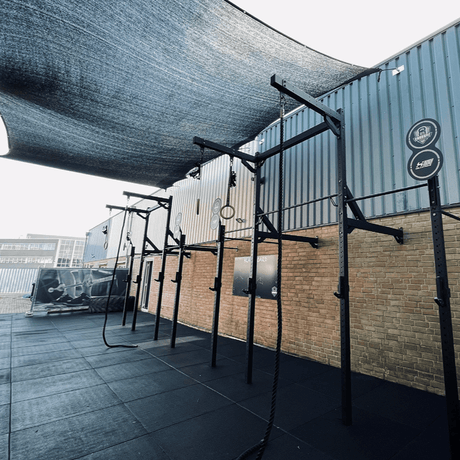
Create a safer, cleaner and more comfortable outdoor space with our durable rubber outdoor flooring tiles and mats. Designed for patios, gardens, outdoor gyms, walkways, play areas, balconies and outdoor training zones, these tiles provide a practical alternative to hard slabs, loose bark, timber decking or standard garden tiles.
Outdoor spaces have to deal with more than indoor floors. Rain, mud, changing temperatures, garden furniture, heavy footfall, gym equipment, play kit and regular cleaning all need to be considered. Rubber outdoor flooring is a smart choice because it gives you grip, cushioning, drainage and impact protection in one simple surface.
Whether you are building a garden gym, upgrading a patio, creating a safer play area or covering a tired concrete base, our outdoor rubber tiles are easy to install, low maintenance and built for real outdoor use.
Choose Rubber Outdoor Flooring Tiles for a Modern and Versatile Outdoor Surface
Rubber outdoor flooring tiles are ideal when you want a surface that feels softer and safer underfoot without losing durability. Unlike stone, slabs or concrete, rubber has natural shock absorbing qualities, which makes it more comfortable for walking, training, play and everyday outdoor use.
They are especially useful in areas where safety and practicality matter. For example, an outdoor gym needs a surface that can cope with movement, equipment and repeated impact. A children’s play area needs cushioning and grip. A patio or garden seating area needs something that looks stylish, neat and uniform, drains well and is easy to clean.
Our outdoor rubber tiles are suitable for a wide range of spaces, including:
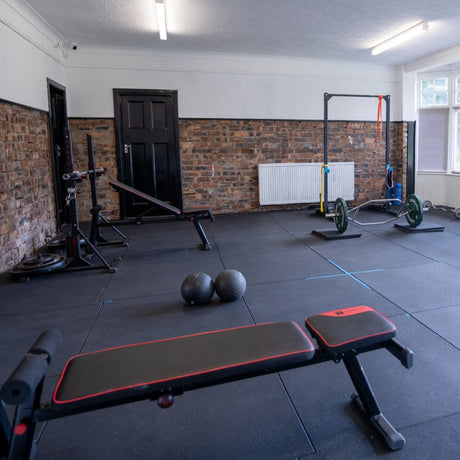
- Garden gyms and outdoor workout zones
- Patios and outdoor seating areas
- Walkways and garden paths
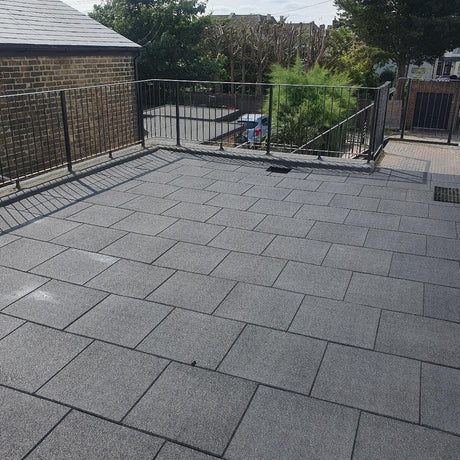
- Balconies and roof terraces where suitable
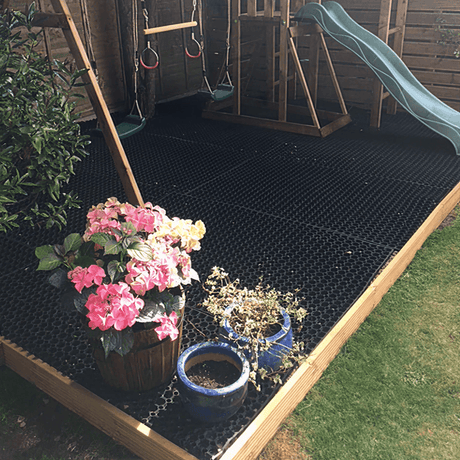
- Children’s play areas
- School and nursery outdoor spaces
- Outdoor commercial fitness areas
- Leisure centres and recreational spaces
- Spaces used by pets, bikes, scooters or mobility equipment
If you are unsure which tile is best for your project, think about how the space will be used most often. Light garden use, seating areas and walkways may not need the same thickness as a high-impact outdoor gym or play zone.
What Is Rubber Outdoor Flooring?
Rubber outdoor flooring is a hard-wearing tile or mat system designed for exterior use. It is commonly used to cover concrete, compacted stone, patio areas, paved bases and prepared outdoor surfaces where extra grip, cushioning and protection are needed.
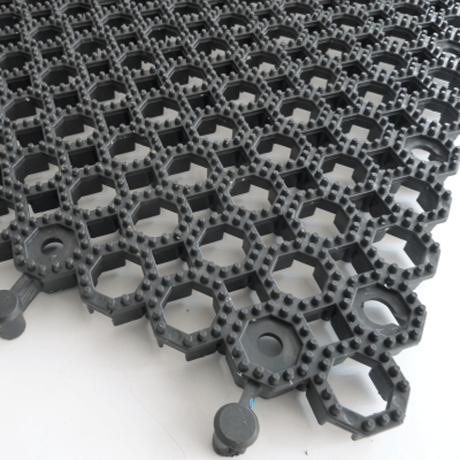
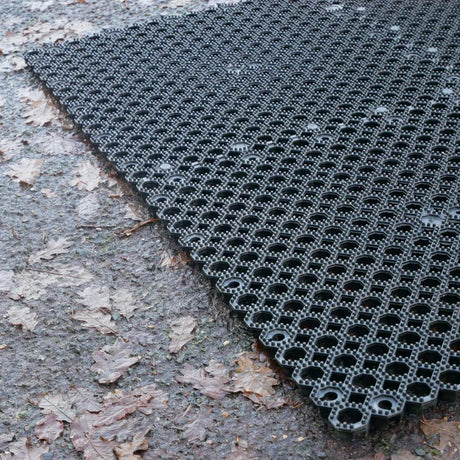
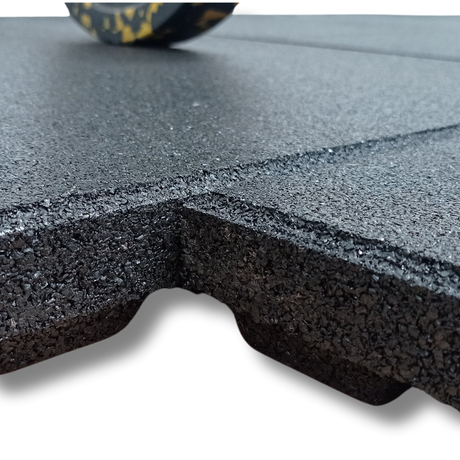
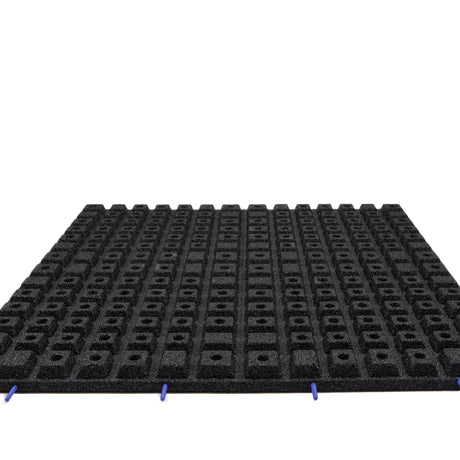
The key difference between outdoor rubber tiles and standard indoor rubber gym flooring is the way the outdoor tiles handle water and weather. Outdoor tiles are designed to cope with rain, UV exposure and moisture, with many options featuring a grooved, studded or drainage-friendly underside to help water move away from the surface.
This makes them a practical choice for UK gardens, patios and outdoor gyms where damp weather, dirt and regular cleaning are part of everyday use.
Rubber outdoor tiles are also much more forgiving underfoot than slabs or concrete. This makes them useful for family spaces, functional training areas, play areas and outdoor zones where people may be standing, moving, lifting, jumping or playing for longer periods.
Why Choose Rubber Outdoor Flooring Tiles?
Rubber outdoor flooring tiles solve several common outdoor surface problems at once. They help improve safety, comfort, drainage, durability and appearance without requiring a complicated installation.
For many customers, the main reasons for choosing outdoor rubber tiles are:
- Better grip underfoot than many hard outdoor surfaces
- Shock absorption for play, training and everyday movement
- More comfort than concrete, paving or stone
- Protection for the sub-base underneath
- Weather-resistant performance for outdoor use
- Simple cleaning with a brush, hose or mild detergent
- A neat, modern finish for gardens, patios and gym spaces
- DIY-friendly fitting on suitable prepared bases
They are also a good option if you want to refresh an outdoor area without laying permanent paving or decking. Rubber tiles can create a more finished look while still being practical for busy family, leisure or training spaces.
Which Outdoor Rubber Tile Thickness Should You Choose?
Choosing the right thickness depends on the space, the base underneath and the level of impact the floor needs to handle.
For patios, garden seating areas, walkways and light outdoor use, a thinner outdoor rubber tile may be suitable. These areas usually need comfort, grip and weather resistance rather than heavy impact protection.
For outdoor gyms, functional training, garden workout spaces and heavier footfall, a 30mm outdoor rubber tile is usually a better starting point. This gives more cushioning, better durability and improved impact protection for general exercise, cardio, kettlebells, bodyweight training and outdoor fitness equipment.
For more demanding spaces, such as heavier outdoor training zones, play areas, recreational parks or areas where equipment may be used more aggressively, a thicker tile such as 43mm gives additional shock absorption and support. Thicker outdoor tiles are also a good choice where the floor needs to feel more substantial underfoot.
As a simple guide:
- 20mm outdoor tiles: best for lighter patio, garden and walkway use
- 30mm outdoor tiles: best for general outdoor gyms, garden fitness areas and play zones
- 43mm outdoor tiles: best for higher impact use, heavier equipment and more demanding outdoor spaces
- Thicker anti-shock tiles: best for specialist gym areas, heavy use and maximum impact protection
If you are installing outdoor gym flooring for free weights, heavy kit or repeated high-impact movement, choose the thickest practical option for the space. The heavier the use, the more important shock absorption, tile stability and sub-base preparation become.
The Perfect Outdoor Gym Mats for Backyard and Outdoor Living Spaces
Outdoor gym flooring needs to work harder than standard garden flooring. It has to cope with changing weather, movement, impact, sweat, mud, equipment and repeated cleaning.
Rubber outdoor gym mats are a strong choice because they create a more stable and forgiving training surface than concrete or paving. They are suitable for bodyweight training, HIIT, circuits, stretching, kettlebell work, battle ropes, conditioning drills and general garden gym use.
They are also useful for protecting the area underneath. If you are placing gym equipment on a patio, paved base or concrete slab, rubber tiles help reduce direct contact between the equipment and the hard surface below.
For outdoor gyms, we would usually recommend choosing 30mm or thicker depending on the activity. A light stretch and mobility zone will not need the same level of protection as a heavy functional training area. For higher impact workouts, heavier kit or commercial-style outdoor training, choose a thicker tile with stronger shock absorption.
Rubber Outdoor Flooring for Patios and Gardens
Rubber outdoor tiles are not just for gyms. They are also a practical patio and garden flooring option, especially where you want a softer, safer and more comfortable surface.
Compared with slabs or stone, rubber feels warmer and more forgiving underfoot. Compared with bark or loose-fill surfaces, it gives a neater finish and is easier to sweep, hose and maintain. Compared with timber decking, it does not require the same ongoing treatment and can offer better cushioning for family use.
Outdoor rubber patio tiles are ideal for:
- Garden seating areas
- BBQ spaces
- Hot tub surrounds where suitable
- Walkways
- Covered outdoor areas
- Utility zones
- Garden rooms and outbuildings
- Family areas where children play
They can also help make awkward or tired outdoor spaces more usable. If an area feels too hard, too slippery, too messy or too unfinished, rubber tiles can create a cleaner and more practical surface without making the area feel overly commercial.
Is Rubber Outdoor Flooring Safe for Children and Pets?
Rubber outdoor flooring is a popular choice for family gardens, play spaces and pet areas because it offers grip and cushioning underfoot. The surface is softer than concrete, paving or stone, which can make outdoor areas feel safer and more comfortable for children, pets and everyday family use.
For children’s play areas, thickness matters. A thicker rubber tile will generally offer better impact absorption than a thinner tile. If the area includes climbing frames, swings or play equipment, the flooring choice should be matched carefully to the intended fall height and use of the space.
For pets, rubber tiles are useful because they are easy to clean and more comfortable than hard outdoor surfaces. They can be hosed down and swept regularly, making them suitable for garden areas that deal with muddy paws, outdoor play and general mess.
As with any outdoor surface, regular cleaning is still important. Leaves, mud and algae should not be allowed to build up, as any surface can become slippery if it is not maintained.
What Base Do Outdoor Rubber Tiles Need?
The base underneath your outdoor rubber tiles is important. A good tile will only perform properly if it is fitted over a suitable, stable surface.
Outdoor rubber tiles can often be installed over prepared concrete, paving, compacted stone or other firm and level bases. The surface should be stable, reasonably flat and able to drain. If the base is uneven, soft or poorly prepared, the tiles may move, rock or sit incorrectly.
For garden gyms and training areas, the base is especially important because gym equipment and repeated movement place more force through the floor. A properly prepared base helps improve tile stability, drainage and long-term performance.
Before installing, consider:
- Is the base firm and stable?
- Is the surface reasonably level?
- Can water drain away?
- Will the tiles sit securely without rocking?
- Is the area suitable for the weight and activity planned?
- Do you need professional groundworks before fitting?
For small domestic areas, DIY installation may be straightforward. For larger commercial areas, school spaces, public play areas or outdoor gyms with heavier use, professional preparation may be recommended.
How Are Outdoor Rubber Tiles Fitted?
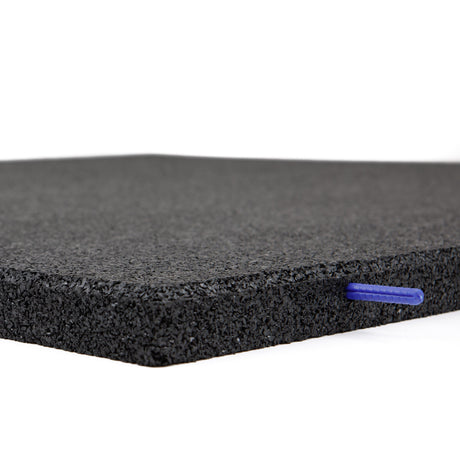
Many outdoor rubber tiles are designed for simple installation using connector pins or interlocking systems, depending on the product. This helps keep the tiles aligned and creates a more stable surface across the area.
For most projects, the general process is:
- Prepare a firm, level and well-draining base
- Clear the area of loose stones, dirt and debris
- Plan the tile layout before fixing anything in place
- Start from a straight edge or corner where possible
- Use the supplied connectors or fitting method for that tile
- Cut edge tiles carefully where needed
- Check the surface is stable before use
Outdoor tiles can often be fitted as a DIY project, especially in smaller garden or patio areas. For larger areas or projects involving groundworks, drainage issues or commercial use, it may be better to use a professional installer.
Does a Rubber Outdoor Floor Require Any Maintenance?
Rubber outdoor flooring is low maintenance, but it is not no maintenance. To keep the surface looking good and performing properly, regular basic cleaning is recommended.
For everyday care, sweep away leaves, mud, grit and loose debris. For a deeper clean, hose the tiles down or use a mild cleaning solution with water. Avoid harsh chemicals, solvents or anything that may damage the rubber surface.
Good maintenance helps prevent dirt build-up, keeps drainage areas clear and reduces the chance of slippery organic matter forming on the surface.
Outdoor rubber flooring is a practical choice for busy homes, schools, gyms and leisure areas because it can cope with regular use without needing the same level of maintenance as timber decking, painted concrete or loose-fill surfaces.
Rubber Outdoor Flooring Compared with Other Outdoor Surfaces
Outdoor flooring is not one-size-fits-all. The best choice depends on whether you care most about appearance, safety, comfort, drainage, cost, maintenance or impact protection.
Concrete and paving are strong and long-lasting, but they are hard underfoot and offer very little cushioning. They can also feel harsh for exercise, play and prolonged standing.
Timber decking can look attractive, but it may need regular treatment and can become slippery when wet if not properly maintained.
Loose bark or play chippings can provide a softer surface, but they can move around, break down, become messy and need topping up.
Artificial grass gives a softer garden look, but it does not provide the same dense impact protection as rubber tile systems and may not be suitable for heavier gym equipment.
Rubber outdoor flooring is a good middle ground when you want a surface that is durable, cushioned, practical and easy to maintain. It works particularly well in spaces where people are moving, training, playing or using outdoor equipment.
Great Quality Tiles!
“Really good quality tiles, easy to lay and great customer service. Couldn't be happier with the way they turned out! Would definitely recommend these tiles.” ⭐⭐⭐⭐⭐ Laith N
|
|
Great Option Instead of Slabs for Our Garden“They look great and make a firm base for my husband’s mobility scooter with cover. In summer, it will be a good place for our table and chairs.” ⭐⭐⭐⭐⭐ Lorene R
|
Got more questions about outdoor flooring? Get in touch with us today, and we’ll do our best to answer your questions and help you find the perfect flooring for your outdoor space.
Looking to create your own garden gym? Transform your outdoor space into a fitness haven with our guide on 8 Essential Steps to Building a Garden Gym..