

Sprung's Senior Care Safety Rubber Flooring Tiles for Falls collection has 3 products, with prices from £68.85. Best sellers include Senior Care Safety Rubber Flooring (from £68.85). Sprung rubber tiles, rolls and mats carry a 10-year warranty. Sprung supplies only, and UK delivery is free on orders over £300.
Create a safer, softer and more comfortable floor with our Senior Care Safety Rubber Flooring Tiles, designed for elderly care spaces, assisted living environments, home adaptations and areas where falls, slips, mobility aids and daily comfort all need to be considered.
Unlike hard flooring such as ceramic tiles, stone, laminate or wood, rubber flooring provides a cushioned surface underfoot. It helps improve traction, supports easier movement with wheelchairs and walking aids, and gives an added layer of impact absorption if a trip or fall happens.
Slip Resistant Rubber Flooring for Senior Care
Choosing the right floor for an older person is not just about how the room looks. It is about how the surface feels underfoot, how it performs when wet, how easy it is to move across, and how much support it gives during everyday routines.
Our rubber flooring for elderly care spaces is designed for areas where comfort, grip and impact protection matter. It can be used in senior care facilities, assisted living spaces, residential homes, bathrooms, wet areas, corridors, bedrooms, utility rooms and other spaces where a hard floor may feel too unforgiving.
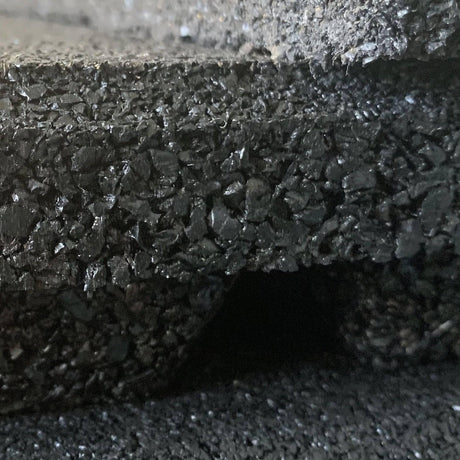
The 43mm rubber tile construction provides a cushioned feel without creating an unstable surface. The textured top helps improve grip, while the dense recycled SBR rubber core offers support for daily footfall, wheelchairs, walking frames and mobility aids.
No flooring can remove every fall risk, but the right surface can help make a room more forgiving, more practical and easier to maintain.
What Is the Safest Flooring for Elderly Relatives?
The safest flooring for elderly relatives is usually a surface that balances slip resistance, comfort, stability, hygiene and ease of movement. A floor should not be too hard, too slippery, too uneven or too difficult to clean.
Hard materials such as porcelain, ceramic, natural stone, laminate and wood can look attractive, but they can be unforgiving in a fall. They may also become slippery when wet or polished, especially in kitchens, bathrooms, entrances and utility areas.
Carpet can feel warm and soft, but it is not always the most practical choice in care settings. Thick pile can make it harder to move wheelchairs or walking aids, while spills, stains and hygiene can become more difficult to manage.
Loose rugs can add comfort, but they may also introduce trip hazards if they curl at the edges, move underfoot or sit proud of the surrounding floor.
Rubber flooring is a strong option because it gives you a more forgiving surface while still remaining stable, durable and easy to clean. For elderly relatives, senior care homes and assisted living environments, anti-slip gym flooring style rubber tiles can provide a practical balance between safety, hygiene and long-term wear.
Why Rubber Flooring Works Well for Fall Protection
Senior care flooring needs to do more than cover the subfloor. It needs to support real movement: slow walking, standing, turning, shuffling, stepping from a shower area, moving with a walking stick, using a frame, or rolling across the space in a wheelchair.
Rubber flooring helps because it has natural shock absorbing qualities. This means the surface feels softer and more supportive than hard tiles, concrete, laminate or stone.
It is also more forgiving underfoot, which is useful for people who spend more time standing, walk with reduced balance or need a surface that feels less harsh on joints.
The key benefits include:
- Improved grip compared with many smooth hard floors
- A cushioned surface to help soften impact
- Good stability for wheelchairs and walking aids
- Durability for repeated daily use
- Resistance to moisture and spills
- Simple cleaning with routine maintenance
- A warmer, quieter feel than hard flooring
For homes and care spaces, this makes rubber floor tiles a practical choice where safety and day-to-day usability need to work together.
Where Senior Care Safety Flooring Can Be Used
Senior Care Safety Rubber Flooring is suitable for a wide range of domestic and care-related environments. It works especially well in spaces where hard flooring feels too risky or uncomfortable, but where hygiene and durability are still important.
Common uses include:
- Senior care facilities
- Assisted living facilities
- Residential homes
- Bathrooms and wet areas
- Bedrooms and living spaces
- Corridors and circulation areas
- Kitchens and utility rooms
- Rehab and physio areas
- Changing areas
- Care home activity rooms
In a private home, it can be used to adapt a room for an elderly parent, grandparent or relative who needs a more supportive surface. In a care facility, it can help create safer circulation routes, quieter rooms and more practical communal spaces.
It is also useful in areas where people move between dry and wet zones, such as bathroom entrances, shower-adjacent spaces and utility areas. The built-in underside drainage channels help with moisture control, while the rubber surface itself is naturally suited to areas where occasional spills or wet feet are expected.
Wheelchair and Walking Aid Friendly Flooring
A senior care floor should make movement easier, not more difficult. Uneven joins, soft carpet pile, loose rugs and raised transitions can all become frustrating or unsafe for wheelchair users and people using walking aids.
Senior Care Safety Rubber Flooring is designed to provide a stable surface for mobility. The tile format creates a firm, supportive platform, while the surface gives enough traction for grip without feeling sticky or difficult to move across.
This makes it suitable for:
- Wheelchairs
- Walking frames
- Walking sticks
- Mobility aids
- Assisted movement
- Everyday standing and turning
For best results, the subfloor should be level, clean and stable before installation. In areas where wheelchairs or mobility aids are used regularly, careful fitting is important so the finished surface remains smooth, secure and free from unnecessary lips or movement.
If the floor is being fitted in a care setting, a wider risk assessment should also consider transitions, doorway thresholds, lighting, handrails, furniture layout and the movement routes people use most often.
Water Resistant Flooring for Bathrooms and Wet Areas
Bathrooms are one of the most common places where slips can happen because water, soap residue and hard surfaces often meet in the same space. A bathroom floor for elderly users needs to be water resistant, easy to clean and supportive underfoot.
Senior Care Safety Rubber Flooring is suitable for wet areas because the rubber material does not absorb moisture like carpet, cork or timber-based surfaces. The tile also has a stud underside with drainage channels, helping water pass beneath the tile rather than sitting trapped at the surface.
This makes it a practical option for:
- Bathroom areas
- Shower-adjacent spaces
- Wet rooms where suitable drainage is planned
- Utility rooms
- Changing areas
- Entrance spaces
- Areas where spills are likely
The surface still needs sensible care. Water should be cleaned up where possible, and the room should be ventilated properly. In bathrooms, you should also consider drainage, door clearance, wall junctions, cleaning access and whether the floor needs to be fixed in place.
For elderly bathroom flooring, the goal is not just softness. It is a surface that feels secure, copes with moisture and can be cleaned without complicated maintenance.
Comfort, Noise Reduction and Daily Use
Comfort is a major part of senior care flooring. A floor may be safe on paper, but if it feels cold, noisy or uncomfortable, it will not support daily use as well as it should.
Rubber flooring has an anti-fatigue quality that can make standing and walking feel more comfortable. This is useful in kitchens, bedrooms, bathrooms and care spaces where someone may spend time standing with support, moving slowly, or waiting while being assisted.
It also helps reduce noise compared with hard flooring. Footsteps, dropped items, moving aids and general room noise can feel sharper on laminate, tile or concrete. A rubber surface gives the room a quieter, more cushioned feel, which can be helpful in both residential homes and care environments.
For shared care settings, this can make a noticeable difference in corridors, bedrooms and activity areas where repeated movement happens throughout the day.
Cleaning and Maintenance in Care Settings
Senior care flooring needs to be easy to keep clean. In homes and care facilities, floors may need to deal with spills, moisture, walking aids, wheelchairs, shoes, socks, bare feet and regular cleaning.
Rubber flooring is low maintenance and suitable for routine cleaning. It can usually be swept, vacuumed or mopped with water and a suitable neutral cleaner. This makes it easier to manage than carpet in areas where hygiene is important.
The key maintenance points are:
- Remove loose dirt and debris regularly
- Wipe or mop spills as soon as possible
- Use a neutral cleaning solution where needed
- Avoid harsh solvents or unsuitable chemicals
- Allow the floor to dry properly after cleaning
- Check joins and edges periodically in high-use areas
For care settings, always follow your internal cleaning procedure and any relevant hygiene requirements. A consistent cleaning routine will help preserve the surface, maintain grip and keep the area looking fresh.
Installation and Subfloor Guidance
Senior Care Safety Rubber Flooring Tiles can be fitted over suitable subfloors including concrete and other stable base types. The floor underneath should be level, clean, dry and structurally sound before installation.
The tiles can be cut to size using a suitable utility knife, making them practical for rooms with corners, doorways, fitted units or awkward edges. Depending on the space, they may be fitted by butting the tiles tightly together or using adhesive where a more permanent installation is required.
For senior care, assisted living and wheelchair use, installation quality matters. The finished surface should feel secure, flat and easy to move across. Door thresholds, transition strips and room edges should be considered carefully so they do not create trip points.
Important areas to check before fitting include:
- Subfloor level and condition
- Door clearance
- Drainage in wet areas
- Threshold heights
- Wall edges and room perimeter
- Whether adhesive is required
- Cleaning access
- Mobility aid routes
- Wheelchair turning areas
If the flooring is being installed in a care home, assisted living property or adapted bathroom, professional installation may be the best option, especially where drainage, transitions or heavy daily use are involved.
Senior Care Safety Flooring Product Details
Our Senior Care Safety Rubber Flooring is a heavy-duty safety tile made from recycled SBR rubber. It is designed to provide a stable, cushioned and slip-resistant surface for elderly care spaces and fall impact reduction.
Product details:
Size: 100cm x 100cm
Thickness: 43mm
Colour: Black
Material: Recycled SBR rubber
Shape: Square
Profile: Bevel edge with stud underside
Sold individually
Built-in underside drainage channels
Compatible with underfloor heating
Suitable for wheelchairs and walking aids
Designed for comfort, grip and impact absorption
The 1m x 1m tile format also makes it easy to calculate the number of tiles required. As a simple guide, measure the room in square metres, then allow extra for cutting and waste. For most spaces, adding around 7% extra is a sensible starting point.
One of the Best Flooring Options for Senior Citizens
When comparing flooring for elderly users, the main question should be: how will the floor perform in real life?
A floor in a senior care space may need to deal with wet feet, wheelchairs, slow movement, dropped items, cleaning routines, furniture, walking aids and people who are less steady on their feet. That makes the choice different from a standard domestic flooring decision.
Wood, laminate and ceramic tiles may look smart, but they offer very little cushioning. Carpet may feel cosy, but it can be harder to clean and may not work well with wheelchairs. Loose rugs can add warmth, but they can also move, curl or create raised edges.
Rubber flooring gives a more practical balance. It is cushioned but stable, water resistant but comfortable, durable but low maintenance. For elderly relatives, care facilities and adapted homes, it offers a sensible way to make a room feel safer without turning it into a clinical space.
Order your free flooring samples or speak to our team if you need help choosing the right senior care flooring for your space.
Looking for new flooring for an elderly loved one? Why not order a sample here.