
 Uitverkoop
-
![50cm x 50cm Gym Flooring Mats – 3 Colours]()
![50cm x 50cm Gym Flooring Mats – 3 Colours]()
![Heavy-duty rubber tiles for horse washing areas and paddocks]()
![50cm x 50cm Gym Flooring Mats – 3 Colours]()
![50cm x 50cm Gym Flooring Mats – 3 Colours]() Uitverkoop
Uitverkoop -
Uitverkoop
-
![2m Wide Outdoor Gym Turf Flooring]()
![2m Wide Outdoor Gym Turf Flooring]()
![2m Wide Outdoor Gym Turf Flooring]()
![2m Wide Outdoor Gym Turf Flooring]()
![2m Wide Outdoor Gym Turf Flooring]()
![2m Wide Outdoor Gym Turf Flooring]()
![2m Wide Outdoor Gym Turf Flooring]()
![2m Wide Outdoor Gym Turf Flooring]()
![2m Wide Outdoor Gym Turf Flooring]()
![2m Wide Outdoor Gym Turf Flooring]()
![2m Wide Outdoor Gym Turf Flooring]()
![2m Wide Outdoor Gym Turf Flooring]()
![2m Wide Outdoor Gym Turf Flooring]()
![2m Wide Outdoor Gym Turf Flooring]()
![2m Wide Outdoor Gym Turf Flooring]()
![2m Wide Outdoor Gym Turf Flooring]()
![2m Wide Outdoor Gym Turf Flooring]()
![2m Wide Outdoor Gym Turf Flooring]() Uitverkoop
Uitverkoop -
![Outdoor Sled Track – 2m Wide]()
![Outdoor Sled Track – 2m Wide]()
![Outdoor Sled Track – 2m Wide]()
![Outdoor Sled Track – 2m Wide]()
![Outdoor Sled Track – 2m Wide]()
![Outdoor Sled Track – 2m Wide]()
![Outdoor Sled Track – 2m Wide]()
![Outdoor Sled Track – 2m Wide]()
![Outdoor Sled Track - 2m Wide Sprint Track GymFloors]()
![Outdoor Sled Track – 2m Wide]()
![Outdoor Sled Track – 2m Wide]()
![Outdoor Sled Track – 2m Wide]()
![Outdoor Sled Track – 2m Wide]()
![Outdoor Sled Track – 2m Wide]()
![Outdoor Sled Track – 2m Wide]()
![Outdoor Sled Track – 2m Wide]()
![Outdoor Sled Track – 2m Wide]()
![Outdoor Sled Track – 2m Wide]() Uitverkoop
Uitverkoop -
Uitverkoop
12mm Shock Pad for Synthetic Sports Turf – 95kg Density
£2,162.70£3,203.37Eenheid prijs /Niet beschikbaar 
 Uitverkoop
-
![Rubber Outdoor 1m x 1m Outdoor Gym Tiles - 43mm outdoor garden mats Sprung Gym Flooring Black]() Uitverkoop
Uitverkoop -
![Interlocking Turf Puzzle Tiles]()
![Interlocking Turf Puzzle Tiles]() Uitverkoop
Uitverkoop

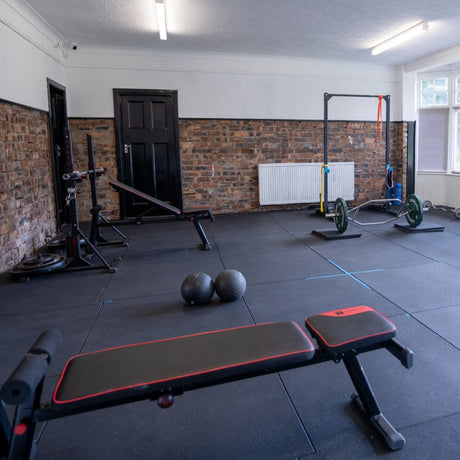


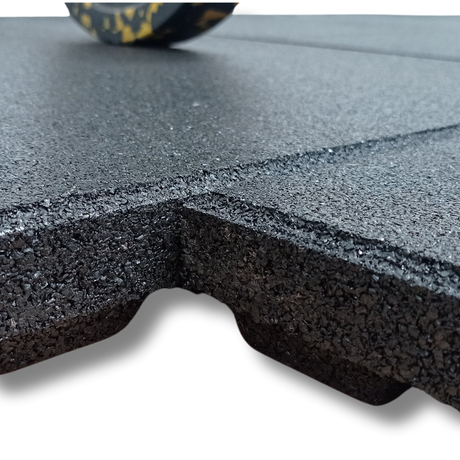
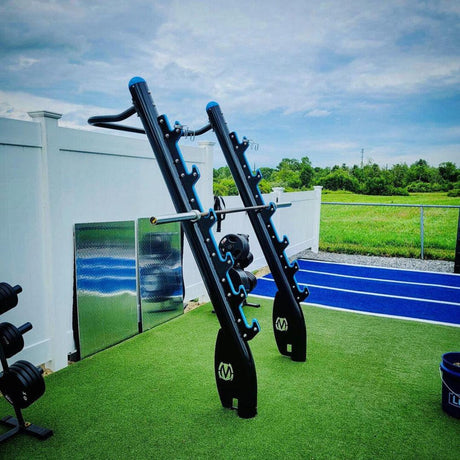
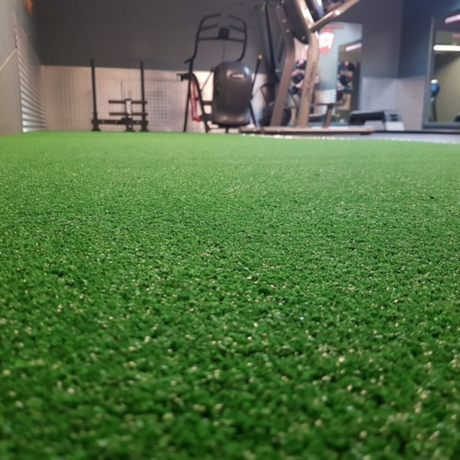
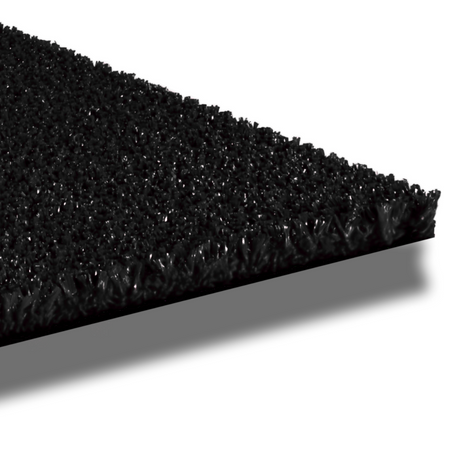
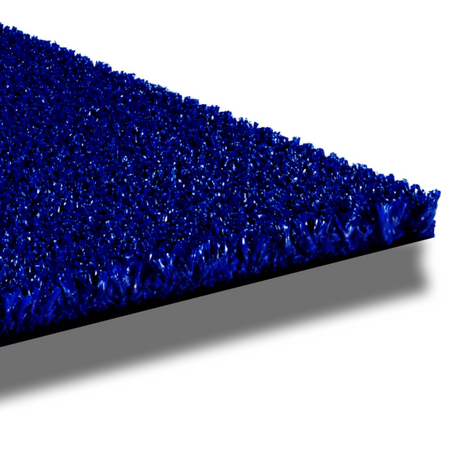
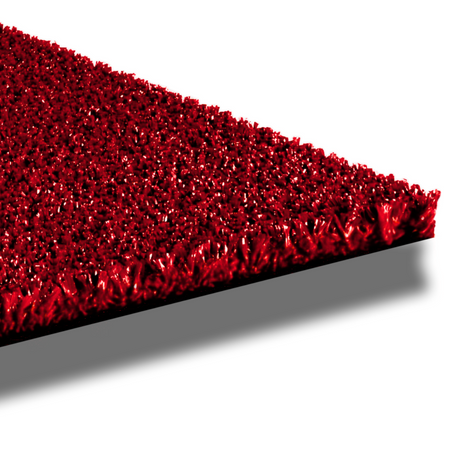
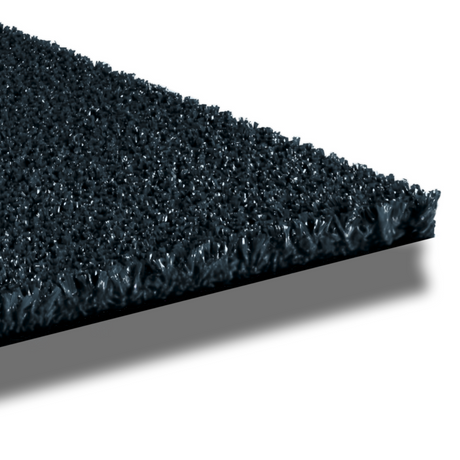
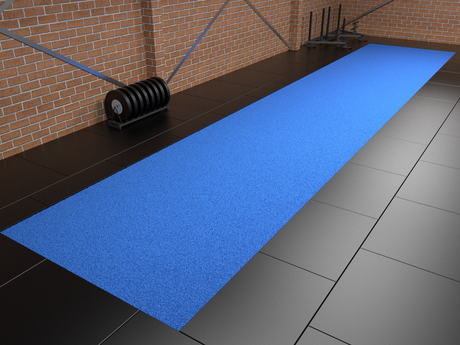
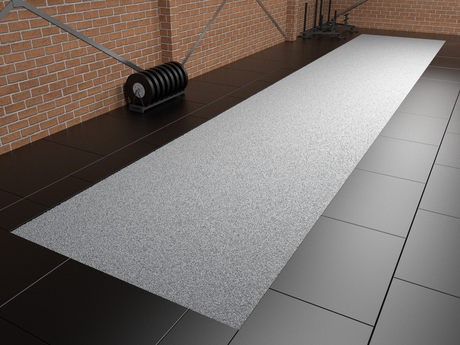
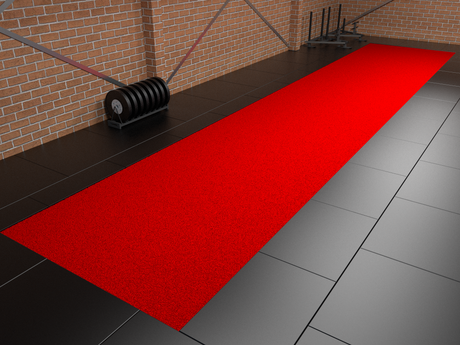
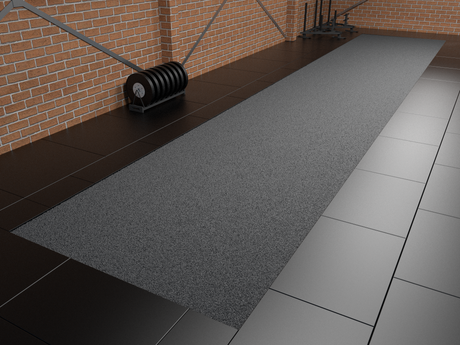
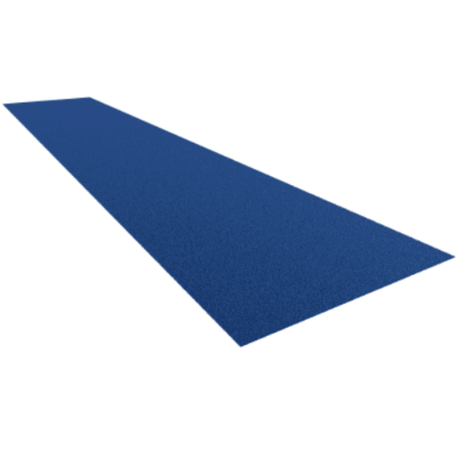
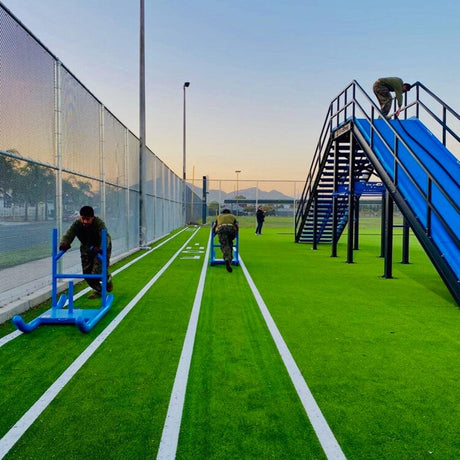


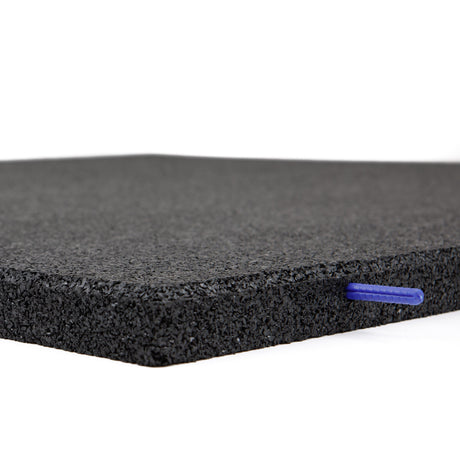
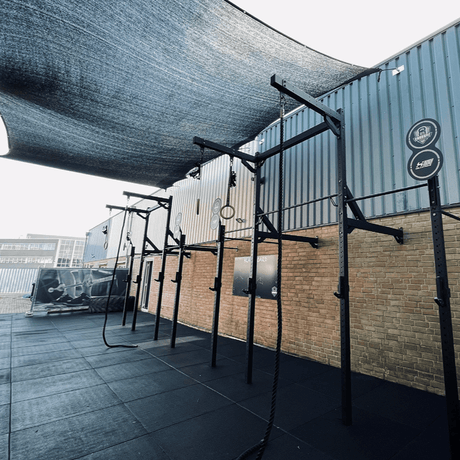
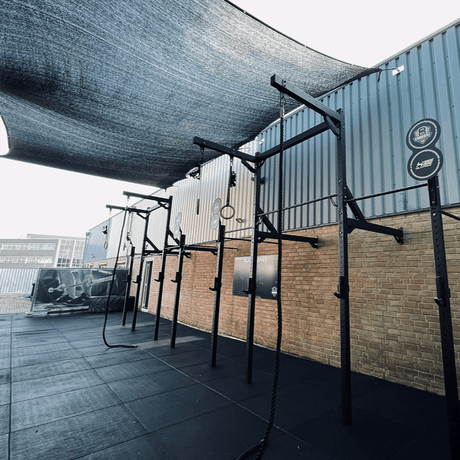
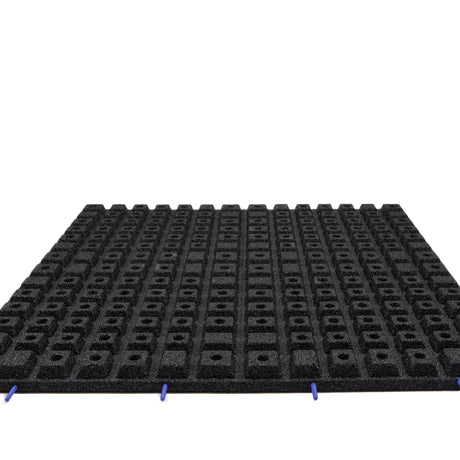
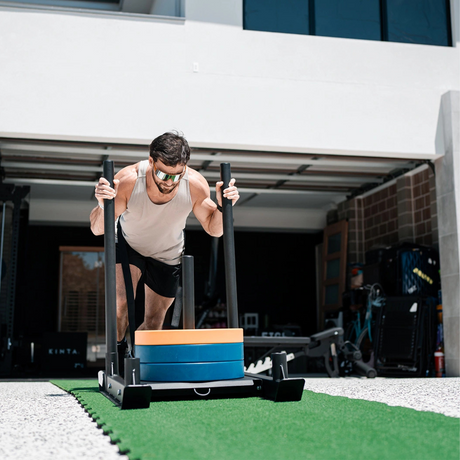
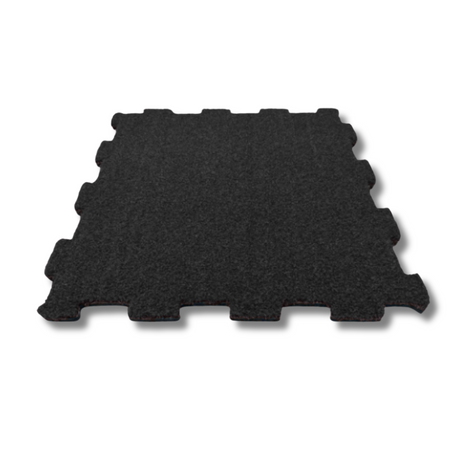
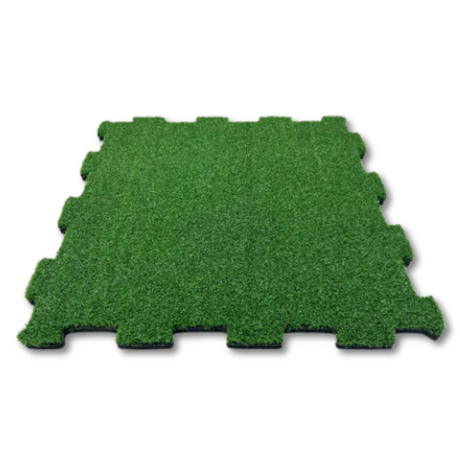
Create a durable, practical training area that can handle demanding workouts in the open air with our range of outdoor functional training surfaces. Designed for home garden gyms, bootcamp spaces, schools, leisure facilities, sports clubs and commercial outdoor gyms, these surfaces provide a more stable and comfortable foundation for year-round exercise.
Unlike standard indoor flooring, an outdoor training surface must cope with rain, temperature changes, dirt, moisture and regular exposure to the elements. It also needs to support repeated movement, heavy equipment and high-impact exercises without becoming difficult to maintain.
Our collection includes outdoor rubber tiles, heavy-duty anti-shock flooring, artificial gym turf and specialist sled tracks. This allows you to combine different surfaces and create dedicated areas for strength work, conditioning, sprinting, sled training and group exercise.
Outdoor Fitness Flooring for All Activities

The right outdoor fitness flooring depends on how the area will be used. A bootcamp space used for circuits and bodyweight exercise has different requirements from an outdoor strength zone containing racks, weights and resistance equipment.
Rubber flooring provides cushioning and stability for exercises such as squats, lunges, kettlebell training, burpees, box work and free-weight sessions. Artificial turf creates a smoother surface for sled pushes, sprint drills, tyre work and movement-based conditioning.
For larger facilities, combining rubber tiles with a strip of outdoor gym turf flooring can help define separate training zones while allowing several activities to take place within the same space.
These surfaces are suitable for:
- Garden and home outdoor gyms
- Commercial outdoor fitness facilities
- Bootcamp and circuit-training areas
- Strength and conditioning zones
- School and university fitness spaces
- Sports club training grounds
- Rooftop and courtyard gyms
- Sled-push and sprint lanes
Choosing the Right Outdoor Functional Training Surface

Before selecting your flooring, consider the exercises being performed, the equipment being used and the condition of the existing base.
For general functional training, moderate free weights and fitness equipment, outdoor rubber gym tiles provide a versatile surface. Their resilient construction helps protect the base underneath while offering a firmer and more forgiving platform than concrete or paving.
For heavier weights, repeated dropping or equipment such as racks and lifting stations, thicker heavy-duty gym flooring will provide greater protection and impact reduction.
Artificial turf or a purpose-built outdoor sled track is generally the better option for sled pushes, tyre drags, acceleration drills and running exercises. Turf allows equipment to move more smoothly while reducing direct wear on the ground below.
The finished area should also be large enough to perform each movement safely. Allow clearance around racks, sled lanes, boxes and exercise stations rather than filling the full area with equipment.
Anti-Shock Rubber Tiles for Heavy Outdoor Training
Heavy-duty anti-shock tiles are designed for outdoor strength areas where the floor will experience greater force from weights and equipment.
Their thick rubber construction helps absorb impact, reduce vibration and protect concrete, paving or other suitable supporting bases. A moulded or studded underside can also support airflow and drainage beneath the tiles, helping surface water escape rather than remaining trapped underneath.
Thicker anti-shock tiles are particularly useful for:
- Outdoor free-weight areas
- Deadlift and lifting stations
- Squat racks and power cages
- Kettlebell and strongman training
- Heavy commercial gym equipment
- High-use strength and conditioning facilities
Our outdoor rubber flooring tiles are available in different thicknesses, allowing you to match the surface to the expected level of use. Heavier weights and more intensive training will generally require a thicker tile than light recreational exercise.
Standard Outdoor Gym Flooring Tiles
Standard outdoor rubber gym tiles provide a practical option for home gyms, garden workout zones and general-purpose functional training areas.
They create a defined exercise surface over a properly prepared base and help improve comfort during standing exercises, mobility work, circuits and strength sessions. Rubber also provides useful grip underfoot and is easier on joints than exercising directly on concrete or paving.
For spaces containing benches, dumbbells, kettlebells or smaller items of fitness equipment, anti shock tiles provide a durable and relatively simple way to cover the area.
Tiles can also be replaced individually if one section becomes damaged, which can be more convenient than replacing an entire continuous surface. Their modular format makes it easier to design the floor around the dimensions of a garden room, canopy, courtyard or outdoor training rig.
Sports Turf and Sprint/Sled Tracks
Synthetic turf is one of the most useful surfaces for outdoor functional fitness because it supports activities that are less suited to rubber tiles.
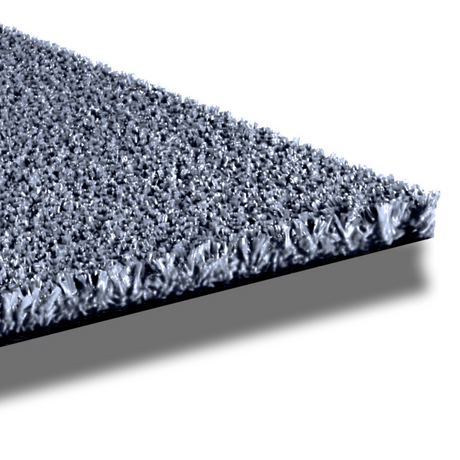
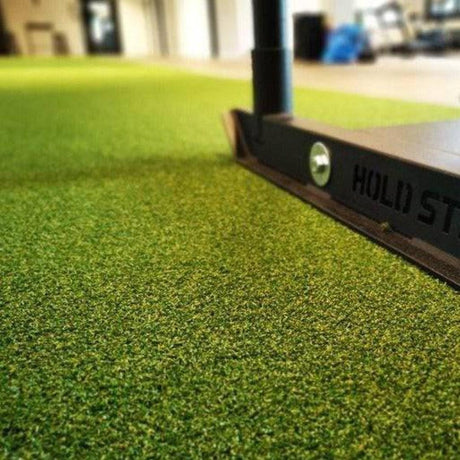
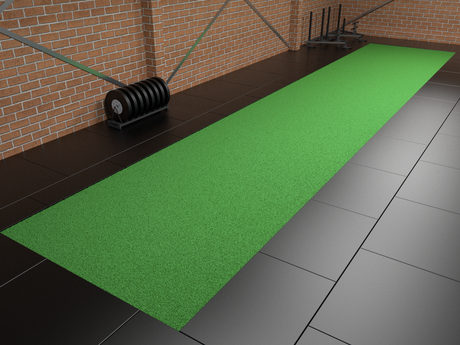
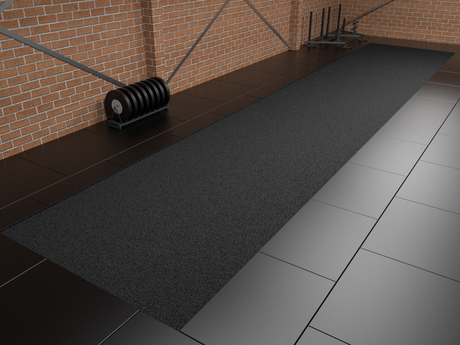
A specialist sprint track or sled track can be used for pushing and pulling weighted sleds, resisted running, tyre dragging, bear crawls, shuttle drills and interval training. The turf fibres provide a consistent training surface while helping the sled travel more smoothly than it would over rubber or rough concrete.
Outdoor gym turf is also a low-maintenance alternative to natural grass. It does not become muddy through repeated training and does not require mowing, watering or reseeding. This makes it well suited to commercial facilities, schools and sports clubs where the same area may be used several times each day.
Turf is available in different colours and can be used to create a visually distinct conditioning lane beside a rubber strength area. Some tracks can also incorporate numbers, lines or custom markings to support programmed drills and distance-based training.
What Base Is Needed for Outdoor Gym Flooring?
Outdoor functional training surfaces perform best when installed over a firm, level and properly prepared base.
Concrete and well-laid paving can provide suitable foundations, provided the surface is stable and has an appropriate fall for drainage. A compacted sub-base may also be suitable for some systems when prepared correctly.
Avoid laying heavy training flooring directly onto soft soil, loose gravel, uneven grass or unstable ground. Movement underneath the tiles can create gaps, raised edges and an inconsistent training surface.
Drainage should be considered before installation. Water needs a clear route away from the exercise area, particularly when the gym is uncovered. Tiles with drainage channels or a studded underside can help, but they cannot compensate for a base that collects standing water.
Review the relevant outdoor flooring installation guidelines before preparing the area or arranging installation.
Outdoor Flooring for Heavy Equipment and Training Rigs
Outdoor gyms often contain fixed or semi-permanent equipment such as squat racks, functional rigs, benches, cable machines and storage stations.
The flooring must be dense enough to support this equipment without excessive movement or compression. Equipment should stand evenly across the surface, and fixing requirements should be checked before installation. A training rig that must be anchored to concrete may need to be secured through the flooring into the structural base below.
Rubber flooring helps protect the base from scratches, impact and repeated contact with equipment. It can also reduce some of the noise created by weights and training movements, although sound can still travel through the ground and nearby structures.
Where vibration or dropped weights are a major concern, use a thicker anti-shock surface and consider creating a dedicated lifting zone rather than using one flooring thickness throughout the entire outdoor gym.
Weather Resistance, Drainage and Maintenance
Outdoor functional training flooring should be cleaned regularly to remove leaves, grit, mud and organic debris. Allowing dirt to build up can affect drainage and make the surface less secure underfoot.
Rubber tiles can usually be swept, brushed or rinsed with water. Synthetic turf should be brushed periodically to lift the fibres and remove compacted debris. Spillages, chalk and residues from outdoor equipment should be cleaned before they become embedded in the surface.
Even weather-resistant flooring benefits from routine inspections. Check tile joints, edges, drainage points and equipment contact areas for movement or damage, particularly after severe weather or periods of intensive use.
A simple maintenance routine will help keep the area cleaner, safer and ready for exercise throughout the year.
Build a Complete Outdoor Training Area
A successful outdoor gym does not need to use the same surface everywhere. Zoning the area according to activity often creates a safer and more effective layout.
Use rubber tiles beneath weights, racks and exercise stations, then introduce turf for sled work, sprints and conditioning drills. This protects the underlying base while giving each exercise the surface it needs.
Whether you are developing a compact garden gym or a large commercial training facility, our range of outdoor functional training surfaces can help you create a durable, weather-resistant space designed around the way you train.
You may also be interested in:-
Floor Requirements for An Outdoor Gym