GET 30% OFF IN OUR WEEKEND SALE!

SPRUNG30

GET 30% OFF IN OUR WEEKEND SALE - DON'T MISS OUT!

SPRUNG30

SALE ALERT! GET 25% OFF

GET25

Flooring for Garden Shed Spaces

Transform your shed into a versatile space with our durable, non-slip rubber flooring with durable & waterproof options—ideal for home gyms, workshops, or storage. Enjoy Free Shipping on orders over £250, a 4-Year Guarantee, and 30% off this month. Installed in 40,000+ homes across the UK.

View as

  • Rubber Shed Flooring Mats
    Sale

    Rubber Shed Flooring Mats

    £31.99 £39.98
    View details
  • Rubber Roofing Tiles - 30mm Sprung Gym Flooring Outdoor Rubber Patio Flooring Mats
    Sale

    Outdoor Rubber Patio Flooring Mats

    From £14.49 £18.11
    View details
  • Rubber Outdoor 1m x 1m Outdoor Gym Tiles - 30mm outdoor garden mats Sprung Gym Flooring Black Rubber Outdoor 1m x 1m Outdoor Gym Tiles - 30mm outdoor garden mats Sprung Gym Flooring
    Sale

    30mm Outdoor Rubber Gym Tiles – 1m x 1m

    £95.00 £116.52
    View details
  • Rubber Outdoor 1m x 1m Outdoor Gym Tiles - 43mm outdoor garden mats Sprung Gym Flooring   Rubber Outdoor 1m x 1m Outdoor Gym Tiles - 43mm outdoor garden mats Sprung Gym Flooring Black
    Sale

    43mm Outdoor Rubber Gym Tiles – 1m x 1m

    £109.00 £131.17
    View details

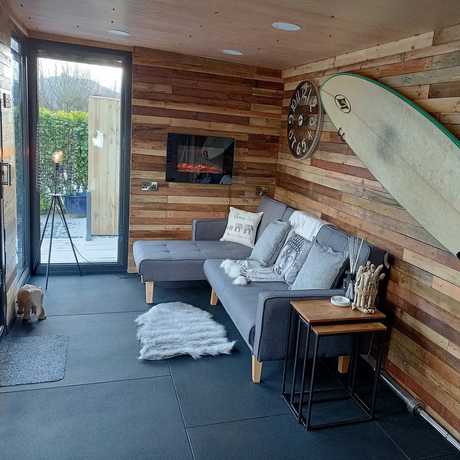
Turn a cold, dusty or unfinished shed floor into a cleaner, safer and more usable space with our durable shed flooring range. Whether you use your shed for storage, DIY, garden tools, gym equipment, bikes, a workbench or a small garden gym, rubber shed floor mats help protect the base underneath while making the space more comfortable underfoot.

Our shed flooring options are easy to install, low maintenance and designed for real UK shed conditions where damp, dirt, heavy equipment and temperature changes can all be an issue.

Shed Flooring for Garden Sheds, Workshops and Home Gyms

shed flooring ideas

A shed floor has to deal with more than most people realise. It may sit over timber boards, OSB, concrete, paving or a raised base. It may also be exposed to moisture from wet shoes, garden tools, condensation, bikes, lawn equipment or the occasional leak.

That is why rubber shed flooring is such a practical choice. It gives you a tough surface that can handle regular foot traffic, dropped tools, stored equipment and everyday shed use, while helping to make the space feel more finished.

Rubber shed mats are ideal for:

  • Garden storage sheds
  • Shed workshops
  • DIY and hobby spaces
  • Bike and equipment storage
  • Utility sheds
  • Small garden gyms
  • Tool sheds
  • Outbuildings and garden rooms

If you are planning to train in your shed, you may also want to compare this range with our home gym flooring or garage gym flooring collections, depending on the type of equipment you plan to use.

Why Use Rubber Flooring in a Shed?

Standard timber, OSB or concrete shed floors can be cold, dusty, noisy and uncomfortable to stand on for long periods. They can also mark easily when you move tools, bikes, benches or gym kit around.

Rubber flooring adds a practical protective layer between your shed base and whatever you use the space for. It helps reduce wear on the subfloor, improves grip underfoot and creates a more comfortable surface for standing, lifting, working or storing equipment.

Key benefits include:

  • Moisture resistance – useful in sheds where damp shoes, wet tools and outdoor conditions are common.
  • Slip resistance – helps create a safer surface when moving around with tools, bikes or equipment.
  • Impact protection – helps protect the base from knocks, dropped items and heavy storage.
  • Comfort underfoot – warmer and softer than bare concrete, OSB or timber boards.
  • Noise reduction – useful for workshops, home gyms and sheds close to the house.
  • Easy cleaning – sweep, mop or wipe down as needed.
  • Simple installation – many tiles and mats can be loose-laid without adhesive.

For general-purpose shed upgrades, rubber flooring is one of the most versatile options because it works across storage, workshop and gym-style spaces.

Choosing the Best Shed Flooring Thickness

The best shed flooring thickness depends on how you use the space.

For light storage, garden tools and general foot traffic, a thinner rubber mat or tile may be enough to tidy up the floor and protect the surface below.

For heavier use, such as workbenches, free weights, exercise equipment, bikes, lawnmowers or machinery, thicker rubber tiles are usually the better choice. A thicker tile gives improved impact protection and a more solid feel underfoot.

As a general guide:

Shed Use Recommended Flooring Why
General storage Rubber shed mats - 15mm thick Practical, easy to clean and protective
Garden tools and bikes Rubber Tiles 15mm + Durable and stable under regular movement
DIY or workshop use Workshop Tiles  Better for workbenches, tools and heavier loads
Shed gym or weights area Heavy-duty rubber tiles in 20mm + Better impact protection and noise reduction
Damp-prone shed base Garden Rubber Tiles in 30mm/40mm with integrated drainage Helps manage moisture and airflow

If the shed will be used for training, weights or functional fitness, look at heavy duty gym flooring rather than lightweight matting.

Shed Floor Covering for Timber, OSB and Concrete Bases

Rubber shed flooring can be installed over several common shed bases, including timber, OSB, plywood, concrete and paving, as long as the surface is level, stable and reasonably clean.

Before installing, check for:

  • Loose or rotten timber boards
  • Standing water or damp patches
  • Uneven joins or raised screw heads
  • Sharp debris, stones or old fixings
  • Movement in the base
  • Poor drainage around the shed

Rubber flooring can help protect the shed floor, but it should not be used to hide a damaged or unstable base. If the timber or OSB is already soft, rotten or heavily damp, repair the base first before laying any floor covering.

For concrete shed floors, rubber mats help reduce the cold, hard feel of the surface and make the area more comfortable for standing, working or training.

Rubber Mat Shed Flooring Ideas

shed flooring ideas

Different sheds need different flooring setups. Here are the most common options.

Interlocking Rubber Tiles

Interlocking floor mats are a good choice if you want a DIY-friendly shed floor that fits together neatly and stays in position. They are especially useful for smaller sheds, awkward layouts or spaces where you may want to lift and replace individual tiles later.

They can often be trimmed to fit around door frames, corners and shelving units, making them a practical option for shed conversions.

Rubber Shed Flooring Mats

Rubber shed mats are ideal for simple floor protection. They can be laid across the main traffic area, under tools, beneath bikes or around a workbench.

This is often the easiest route if you do not need to cover the full shed floor but want to protect the busiest sections.

Outdoor Rubber Tiles

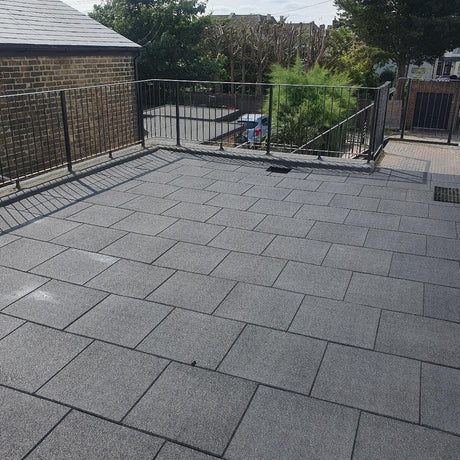
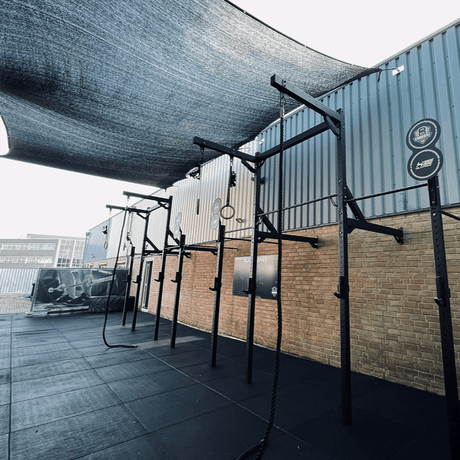
For sheds that experience more moisture or outdoor-style use, outdoor rubber flooring tiles can be a better option. These are designed for tougher conditions and are well suited to garden buildings, outdoor walkways, patio areas and outbuildings where water and weather are more of a concern.

Rolled Rubber Flooring

Rubber flooring rolls can work in some larger sheds or garden rooms where you want fewer joins and a smoother surface. However, for basic garden sheds, tiles are often easier to handle, fit and replace, especially if the space is small or has lots of fixed storage.

Best Shed Flooring for Different Uses

Best Flooring for a Garden Tool Shed

For a shed used mainly for garden tools, storage boxes, bikes and outdoor kit, rubber shed mats or standard rubber floor tiles are usually enough. They help protect the timber or concrete base from scratches, mud and everyday wear.

Best Flooring for a Shed Workshop

For a shed workshop, choose a thicker, harder-wearing rubber tile. This gives you a more stable surface around benches, tool cabinets and machinery, while helping reduce noise from dropped tools or movement.

If you use the shed for DIY, maintenance or hands-on work, you may also want to look at our workshop flooring options.

Best Flooring for a Shed Gym

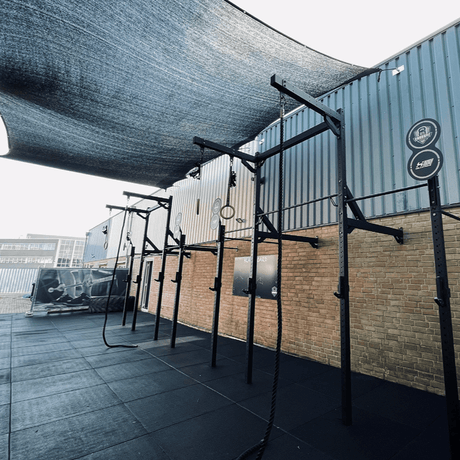
For a shed gym, go thicker and more impact-resistant. Exercise bikes, benches, racks, dumbbells and free weights all place more demand on the floor than standard storage.

Rubber tiles are usually better than foam for shed gyms because they offer more stability under heavy kit. If you are lifting weights, using a bench or training with kettlebells, choose a gym-grade rubber tile rather than a lightweight mat.

Best Flooring for Damp or Cold Sheds

For damp-prone sheds, choose rubber tiles that can handle moisture and allow the floor to be cleaned easily. Good ventilation, a sound base and a properly sealed shed structure are still important, but rubber flooring helps create a cleaner and more practical top surface.

Is Rubber Shed Flooring Waterproof?

Rubber flooring is water-resistant and easy to clean, making it a strong choice for sheds where wet shoes, tools and equipment are common.

However, it is important to think about the shed as a whole. If water is coming in through the roof, walls or base, flooring alone will not fix the issue. Repair leaks, improve ventilation and make sure the shed base is sound before installing your mats or tiles.

For areas that regularly get wet, outdoor-style rubber tiles or drainage tiles may be more suitable than smooth indoor matting.

Is Foam Flooring Suitable for Sheds?

Foam can work for light use, stretching, play areas or temporary comfort, but it is not usually the best choice for standard shed flooring.

Sheds often involve sharp tools, bikes, storage boxes, grit, moisture and heavy equipment. Rubber is generally more durable, more stable and better suited to this kind of environment.

Foam may be suitable if your shed has been converted into a clean, dry hobby room or light exercise space, but for most garden sheds, rubber is the safer and longer-lasting option.

How to Install Shed Floor Mats

Installing rubber shed flooring is usually straightforward.

  1. Empty the shed as much as possible.
  2. Sweep and clean the existing floor.
  3. Check the base is dry, level and stable.
  4. Repair any damaged timber, OSB or concrete.
  5. Lay the mats or tiles from one corner or straight edge.
  6. Trim edges if needed using a sharp utility knife and straight edge.
  7. Refit shelving, benches or equipment once the floor is in place.

Most shed mats can be loose-laid, especially in smaller rooms where the walls or stored equipment help hold the floor in position. For larger areas, heavier use or commercial-style applications, adhesive or connectors may be recommended depending on the product.

How to Clean and Maintain Rubber Shed Flooring

Rubber shed flooring is easy to maintain, which is one of its biggest advantages over bare timber or dusty concrete.

For everyday cleaning:

  • Sweep out mud, leaves and loose dirt.
  • Wipe spills quickly.
  • Mop with mild detergent when needed.
  • Avoid harsh chemicals or solvent-based cleaners.
  • Lift and dry mats if water becomes trapped underneath.
  • Keep the shed ventilated to reduce condensation.

If your shed is used for garden tools or bikes, giving the floor a regular sweep will help stop grit and debris being dragged across the surface. Check out our cleaning and maintenance guidelines for full details.

Shed Flooring – Key Product Features

Our shed flooring range is designed to make garden buildings more practical, comfortable and durable.

Key features include:

  • Tough rubber construction
  • Water-resistant options
  • Slip-resistant surface
  • Suitable for timber, OSB and concrete bases
  • Easy DIY installation
  • Good impact protection
  • Low maintenance cleaning
  • Useful for storage, workshops and shed gyms
  • Outdoor tile options available
  • 4-year warranty on selected products

Shed Flooring FAQs

What is the best flooring for a shed?

Rubber flooring is one of the best shed flooring options because it is durable, slip-resistant, easy to clean and suitable for storage, workshops and garden gym spaces. It also helps protect timber, OSB and concrete bases from everyday wear.

Can you put rubber mats on a wooden shed floor?

Yes, rubber mats can be laid over a wooden shed floor as long as the timber is stable, dry and in good condition. If the boards are rotten, soft or uneven, repair them first before installing the flooring.

Can rubber shed flooring go over concrete?

Yes, rubber shed flooring can be installed over concrete. It helps make the surface warmer, quieter and more comfortable underfoot, while protecting the concrete from impact and general wear.

Is rubber flooring good for a shed gym?

Yes, rubber flooring is a good choice for a shed gym because it is stable, hardwearing and better suited to exercise equipment than carpet, vinyl or foam. For weights or heavier training, choose thicker gym-grade rubber tiles.

Will shed flooring help with damp?

Rubber flooring can help create a cleaner, more moisture-resistant top surface, but it will not solve leaks, rot or poor ventilation. If the shed has damp problems, fix the source first, then install suitable rubber flooring over a sound base.

Do I need adhesive for shed floor mats?

Not always. Many rubber shed mats and tiles can be loose-laid, especially in smaller sheds. Adhesive may be useful for larger areas, high-traffic spaces or where the flooring needs to stay fixed in place.

Can I cut rubber shed tiles to fit?

Yes, many rubber tiles can be cut with a sharp utility knife and straight edge. This makes them useful for fitting around shelving, door frames, corners and fixed units.

Is vinyl flooring suitable for a shed?

Vinyl can work in dry, insulated garden rooms, but it is not always the best choice for standard sheds. It can be affected by temperature changes, uneven bases and moisture. Rubber is usually more durable for everyday shed use.

Is OSB a good shed floor?

OSB can be a good structural shed floor material when it is properly supported, treated and protected from moisture. Rubber flooring can then be added on top to improve comfort, grip and durability.

What is the easiest shed flooring to install?

Interlocking rubber tiles and loose-laid rubber mats are usually the easiest shed flooring options to install. They require minimal tools, can often be fitted without glue and are easy to adjust to suit the shed layout.

In Conclusion

The right shed flooring can completely change how your garden shed feels and functions. Instead of a cold, dusty or unfinished base, rubber shed mats give you a cleaner, safer and more durable surface for storage, tools, bikes, DIY projects or a compact workout space.

Whether you are upgrading a simple garden shed, building a practical workshop or creating a small shed gym, rubber flooring is a low-maintenance way to protect the floor and make the space easier to use all year round.

For patios, walkways and outdoor areas around your shed, explore our outdoor patio and garden flooring collection.

Want to change other outdoor spaces too? Look at our Garage Flooring Collection. It's great for home gyms, workshops, and utility rooms.

FAQ - Shed Flooring

How are wood shed floor mats installed?

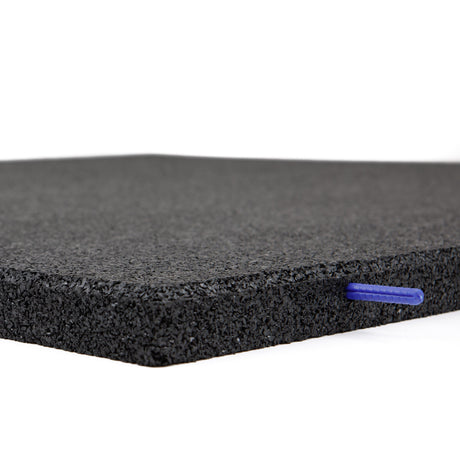
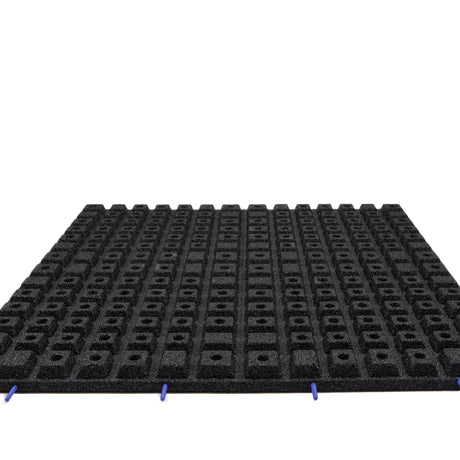
The mats have small hidden pin inserts which connect each tile together.  This allows for an easy installation and helps to keep the tiles stable.

Do you offer rolled rubber shed floors for sale?

Rolled rubber tends to come in less thick options (approx 4mm to 10mm) and therefore less sturdy and durable for an outbuilding project.   Rolled rubber doesn't have drainage so a suitable membrane would require to be installed prior to the rubber roll.  We recommend tiles because it makes for a much simpler installation. 

Is OSB flooring a good option for sheds?

Yes, OSB flooring is a durable and affordable option for sheds. It provides a sturdy surface and can be combined with pressure treated materials to avoid rot and water damage.

How can I avoid rot when building shed flooring?

To avoid rot in shed flooring, use pressure treated wood or OSB flooring elevated above the ground. This helps prevent moisture and water damage, keeping your shed floor intact.

Is OSB flooring easy to install in sheds?

Yes, OSB flooring offers easy installation for sheds. It is a cost-effective and straightforward material that can be cut and fitted to suit any shed size during building.

How can I protect shed flooring from water damage?

To protect shed flooring from water damage, consider using pressure treated wood or raising the floor above the ground. Proper sealing and drainage can also help create a more water-resistant shed environment.

What are the benefits of epoxy coating for shed flooring?

Epoxy coating offers several benefits for shed flooring. It provides a seamless and durable finish that can withstand heavy loads. It's also resistant to oil and other chemical spills, making it an excellent choice for workshops or garages housed in sheds. Lastly, this type of flooring is easy to clean, as it repels stains and messes rather than absorbing them.

Can I use vinyl flooring in my shed?

Yes, vinyl flooring can be a practical and attractive option for shed interiors. It's resilient, low-maintenance, available in various designs and textures, and can withstand regular foot traffic. However, it's recommended to install insulation underneath, as vinyl can be prone to temperature fluctuations.

How does rubber flooring fare in shed applications?

Rubber flooring is a popular choice for sheds for several reasons. It's durable, easy to install, and offers excellent traction to prevent slips and falls. Rubber also provides noise reduction and insulation, adding comfort underfoot. Despite being more costly initially than other materials, it can save money over time due to its longevity.