

![Indoor Gym Turf - 2m Wide Sprint Track GymFloors]()
![Indoor Gym Turf - 2m Wide Sprint Track GymFloors]()
![Indoor Gym Turf Roll – 2m Wide]()
![Indoor Gym Turf - 2m Wide Sprint Track GymFloors]()
![Indoor Gym Turf Roll – 2m Wide]()
![Indoor Gym Turf - 2m Wide Sprint Track GymFloors]()
![Indoor Gym Turf - 2m Wide Sprint Track GymFloors]()
![Indoor Gym Turf Roll – 2m Wide]()
![Indoor Gym Turf - 2m Wide Sprint Track GymFloors]()
![Indoor Gym Turf Roll – 2m Wide]()
![Indoor Gym Turf - 2m Wide Sprint Track GymFloors]()
![Indoor Gym Turf - 2m Wide Sprint Track GymFloors]()
![Indoor Gym Turf Roll – 2m Wide]()
![Indoor Gym Turf - 2m Wide Sprint Track GymFloors]()
![Indoor Gym Turf Roll – 2m Wide]()
![Indoor Gym Turf - 2m Wide Sprint Track GymFloors]()
![Indoor Gym Turf - 2m Wide Sprint Track GymFloors]() Sale
Sale-
![Indoor Sled Track – 2m Wide]()
![Indoor Sled Track - 2m Wide Sprint Track GymFloors]()
![Indoor Sled Track - 2m Wide Sprint Track GymFloors]()
![Indoor Sled Track - 2m Wide Sprint Track GymFloors]()
![Indoor Sled Track – 2m Wide]()
![Indoor Sled Track – 2m Wide]()
![Indoor Sled Track – 2m Wide]()
![Indoor Sled Track - 2m Wide Sprint Track GymFloors]()
![Indoor Sled Track - 2m Wide Sprint Track GymFloors]()
![Indoor Sled Track – 2m Wide]()
![Indoor Sled Track – 2m Wide]()
![Indoor Sled Track – 2m Wide]()
![Indoor Sled Track - 2m Wide Sprint Track GymFloors]()
![Indoor Sled Track - 2m Wide Sprint Track GymFloors]()
![Indoor Sled Track – 2m Wide]()
![Indoor Sled Track – 2m Wide]()
![Indoor Sled Track – 2m Wide]()
![Indoor Sled Track - 2m Wide Sprint Track GymFloors]() Sale
Sale -
![Indoor Sprint Track – 2m Wide]()
![Indoor Sprint Track – 2m Wide]()
![Sprung Plain Colour Uni Indoor Sprint Track - 2m Wide Sprint Track GymFloors]()
![Indoor Sprint Track – 2m Wide]()
![Sprung Plain Colour Uni Indoor Sprint Track - 2m Wide Sprint Track GymFloors]()
![Indoor Sprint Track – 2m Wide]()
![Indoor Sprint Track – 2m Wide]()
![Sprung Plain Colour Uni Indoor Sprint Track - 2m Wide Sprint Track GymFloors]()
![Indoor Sprint Track – 2m Wide]()
![Sprung Plain Colour Uni Indoor Sprint Track - 2m Wide Sprint Track GymFloors]()
![Indoor Sprint Track – 2m Wide]()
![Indoor Sprint Track – 2m Wide]()
![Sprung Plain Colour Uni Indoor Sprint Track - 2m Wide Sprint Track GymFloors]()
![Indoor Sprint Track – 2m Wide]()
![Sprung Plain Colour Uni Indoor Sprint Track - 2m Wide Sprint Track GymFloors]()
![Indoor Sprint Track – 2m Wide]()
![Indoor Sprint Track – 2m Wide]() Sale
Sale -
![Sprung Essential Sprint Track with Markings (2m Wide) sprint track SuperStrong Fitness 10 Green]()
![Sprung Essential Sprint Track with Markings (2m Wide) sprint track SuperStrong Fitness 10 Black]()
![Sprung Essential Sprint Track with Markings (2m Wide) sprint track SuperStrong Fitness 10 Anthracite Grey]()
![Sprung Essential Sprint Track with Markings (2m Wide) sprint track SuperStrong Fitness 10 Brick Red]()
![Sprung Essential Sprint Track with Markings (2m Wide) sprint track SuperStrong Fitness]()
![Sprung Essential Sprint Track with Markings (2m Wide) sprint track SuperStrong Fitness 10 Green]()
![Sprung Essential Sprint Track with Markings (2m Wide) sprint track SuperStrong Fitness 10 Black]()
![Sprung Essential Sprint Track with Markings (2m Wide) sprint track SuperStrong Fitness 10 Anthracite Grey]()
![Sprung Essential Sprint Track with Markings (2m Wide) sprint track SuperStrong Fitness]() Sale
Sale -
![Sprint Track with Full Markings – 1.33m Wide]()
![Sprung Premium Sprint Track with Full Markings (1.33m Wide) sprint track GymFloors 10.4 Grey]()
![Sprung Premium Sprint Track with Full Markings (1.33m Wide) sprint track GymFloors 10.4 Red]()
![Sprung Premium Sprint Track with Full Markings (1.33m Wide) sprint track GymFloors]()
![Sprung Premium Sprint Track with Full Markings (1.33m Wide) sprint track GymFloors 10.4 Black]()
![Sprung Premium Sprint Track with Full Markings (1.33m Wide) sprint track GymFloors]() Sale
Sale -
-
![Sprung CORE Sprint Track with Markings - 2 Sizes | 3 Colours sprint track GymFloors Red 1m x 10m]()
![Sprung CORE Sprint Track with Markings - 2 Sizes | 3 Colours sprint track GymFloors Red 1m x 10m]()
![Sprung CORE Sprint Track with Markings - 2 Sizes | 3 Colours sprint track GymFloors Red 1m x 10m]()
![Sprung CORE Sprint Track with Markings - 2 Sizes | 3 Colours sprint track GymFloors Red 1m x 10m]()
![Sprung CORE Sprint Track with Markings - 2 Sizes | 3 Colours sprint track GymFloors Green 1m x 10m]()
![Sprung CORE Sprint Track with Markings - 2 Sizes | 3 Colours sprint track GymFloors Green 1m x 10m]()
![Sprung CORE Sprint Track with Markings - 2 Sizes | 3 Colours sprint track GymFloors Green 1m x 10m]()
![Sprung CORE Sprint Track with Markings - 2 Sizes | 3 Colours sprint track GymFloors Green 1m x 10m]()
![Sprung CORE Sprint Track with Markings - 2 Sizes | 3 Colours sprint track GymFloors Black 1m x 10m]()
![Sprung CORE Sprint Track with Markings - 2 Sizes | 3 Colours sprint track GymFloors Black 1m x 10m]()
![Sprung CORE Sprint Track with Markings - 2 Sizes | 3 Colours sprint track GymFloors Black 1m x 10m]()
![Sprung CORE Sprint Track with Markings - 2 Sizes | 3 Colours sprint track GymFloors Black 1m x 10m]() Sale
SaleCORE Sprint Track with Markings – 2 Sizes | 3 Colours
From £1,431.00£1,788.75Unit price /Unavailable -
![Speed Lane & Agility Tracks | 5 Colours - 3 Sizes GYM FLOORING SuperStrong Fitness 2 x 10 metre Grey]()
![Speed Lane & Agility Tracks | 5 Colours - 3 Sizes GYM FLOORING SuperStrong Fitness]()
![Speed Lane & Agility Tracks | 5 Colours - 3 Sizes GYM FLOORING SuperStrong Fitness 2 x 10 metre Green]()
![Speed Lane & Agility Tracks | 5 Colours - 3 Sizes GYM FLOORING SuperStrong Fitness]()
![Speed Lane & Agility Tracks | 5 Colours - 3 Sizes GYM FLOORING SuperStrong Fitness 2 x 10 metre Blue]()
![Speed Lane & Agility Tracks | 5 Colours - 3 Sizes GYM FLOORING SuperStrong Fitness 2 x 10 metre Grey]()
![Speed Lane & Agility Tracks | 5 Colours - 3 Sizes GYM FLOORING SuperStrong Fitness]()
![Speed Lane & Agility Tracks | 5 Colours - 3 Sizes GYM FLOORING SuperStrong Fitness 2 x 10 metre Green]()
![Speed Lane & Agility Tracks | 5 Colours - 3 Sizes GYM FLOORING SuperStrong Fitness]()
![Speed Lane & Agility Tracks | 5 Colours - 3 Sizes GYM FLOORING SuperStrong Fitness 2 x 10 metre Blue]()
![Speed Lane & Agility Tracks | 5 Colours - 3 Sizes GYM FLOORING SuperStrong Fitness 2 x 10 metre Grey]()
![Speed Lane & Agility Tracks | 5 Colours - 3 Sizes GYM FLOORING SuperStrong Fitness]()
![Speed Lane & Agility Tracks | 5 Colours - 3 Sizes GYM FLOORING SuperStrong Fitness 2 x 10 metre Green]()
![Speed Lane & Agility Tracks | 5 Colours - 3 Sizes GYM FLOORING SuperStrong Fitness]()
![Speed Lane & Agility Tracks | 5 Colours - 3 Sizes GYM FLOORING SuperStrong Fitness 2 x 10 metre Blue]() Sale
Sale -
![2m Wide Outdoor Gym Turf Flooring]()
![2m Wide Outdoor Gym Turf Flooring]()
![2m Wide Outdoor Gym Turf Flooring]()
![2m Wide Outdoor Gym Turf Flooring]()
![2m Wide Outdoor Gym Turf Flooring]()
![2m Wide Outdoor Gym Turf Flooring]()
![2m Wide Outdoor Gym Turf Flooring]()
![2m Wide Outdoor Gym Turf Flooring]()
![2m Wide Outdoor Gym Turf Flooring]()
![2m Wide Outdoor Gym Turf Flooring]()
![2m Wide Outdoor Gym Turf Flooring]()
![2m Wide Outdoor Gym Turf Flooring]()
![2m Wide Outdoor Gym Turf Flooring]()
![2m Wide Outdoor Gym Turf Flooring]()
![2m Wide Outdoor Gym Turf Flooring]()
![2m Wide Outdoor Gym Turf Flooring]()
![2m Wide Outdoor Gym Turf Flooring]()
![2m Wide Outdoor Gym Turf Flooring]() Sale
Sale -
![Outdoor Sled Track – 2m Wide]()
![Outdoor Sled Track – 2m Wide]()
![Outdoor Sled Track – 2m Wide]()
![Outdoor Sled Track – 2m Wide]()
![Outdoor Sled Track – 2m Wide]()
![Outdoor Sled Track – 2m Wide]()
![Outdoor Sled Track – 2m Wide]()
![Outdoor Sled Track – 2m Wide]()
![Outdoor Sled Track - 2m Wide Sprint Track GymFloors]()
![Outdoor Sled Track – 2m Wide]()
![Outdoor Sled Track – 2m Wide]()
![Outdoor Sled Track – 2m Wide]()
![Outdoor Sled Track – 2m Wide]()
![Outdoor Sled Track – 2m Wide]()
![Outdoor Sled Track – 2m Wide]()
![Outdoor Sled Track – 2m Wide]()
![Outdoor Sled Track – 2m Wide]()
![Outdoor Sled Track – 2m Wide]() Sale
Sale -
 Sale
Sale -
Sold outSale
Plain Turf Sprint Track – 10m x 2m (Special Offer)
£895.00£1,243.75Unit price /Unavailable -
![Interlocking Turf Puzzle Tiles]()
![Interlocking Turf Puzzle Tiles]() Sale
Sale -
Sale
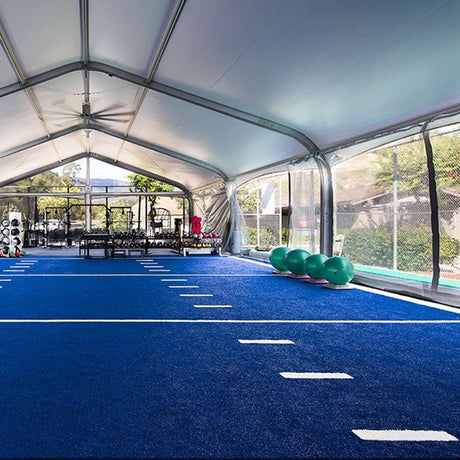
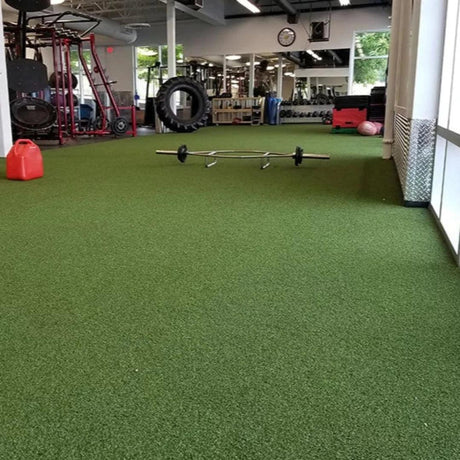
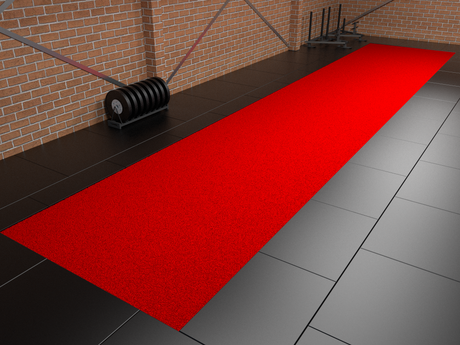
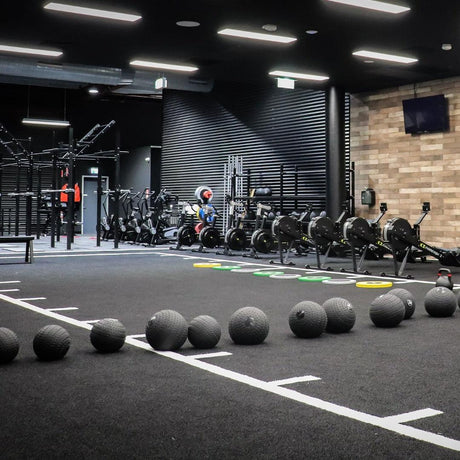
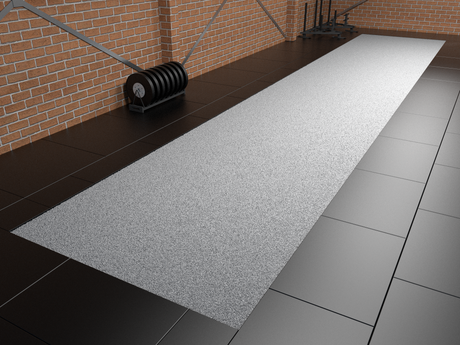
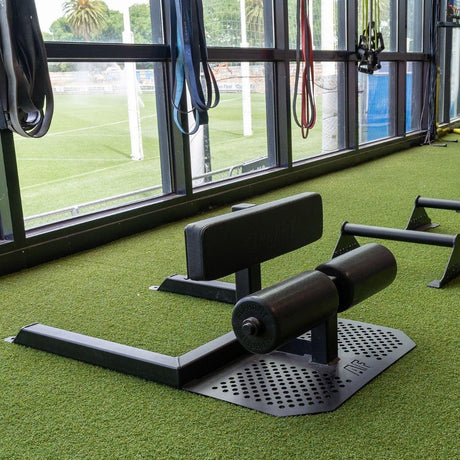
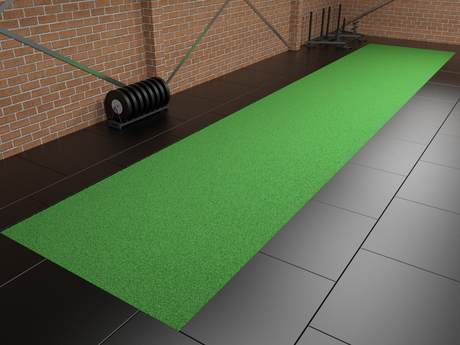
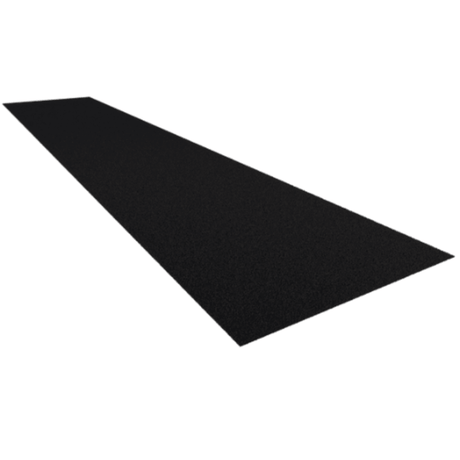
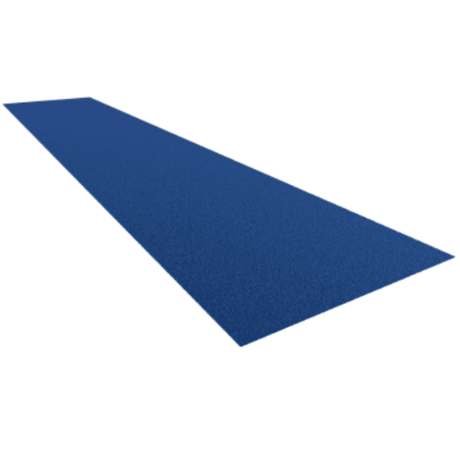
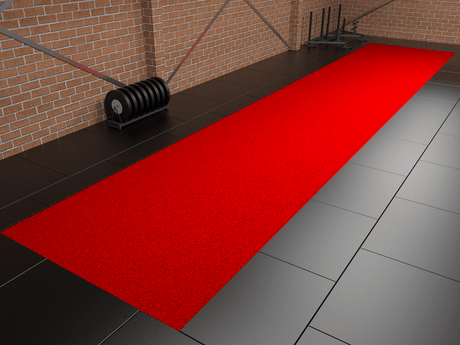
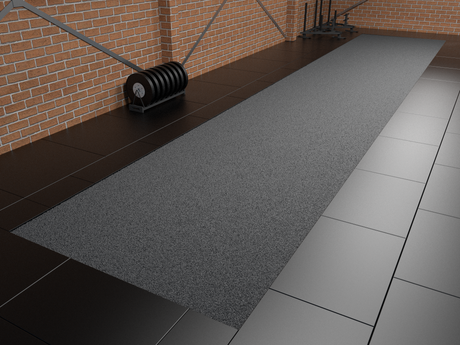
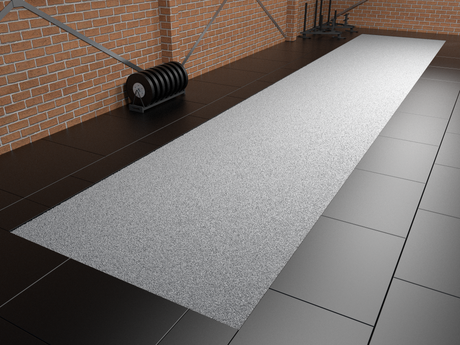
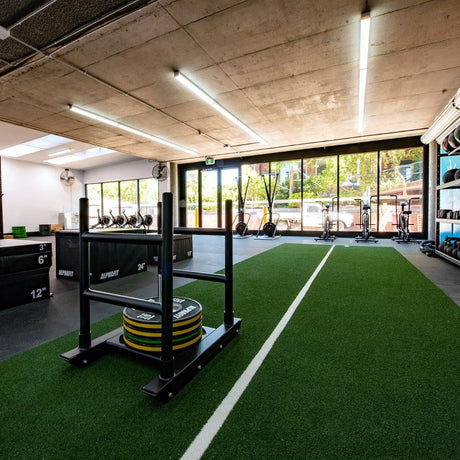
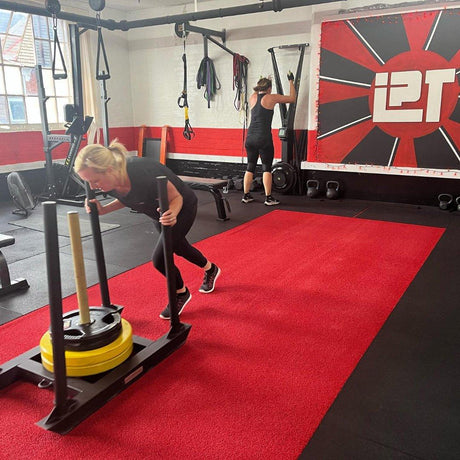
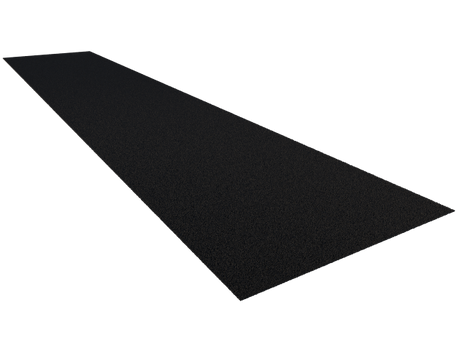
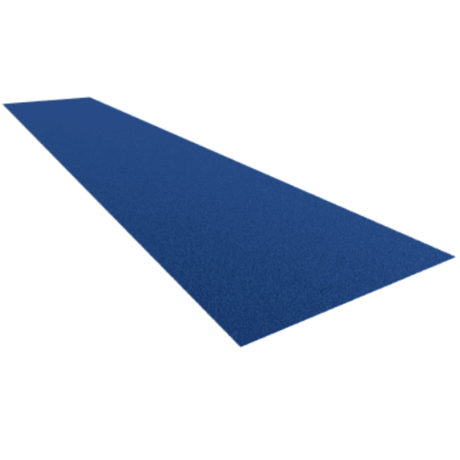
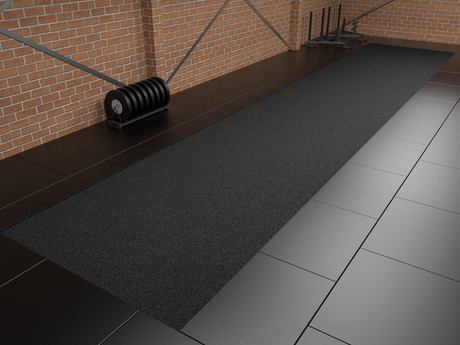
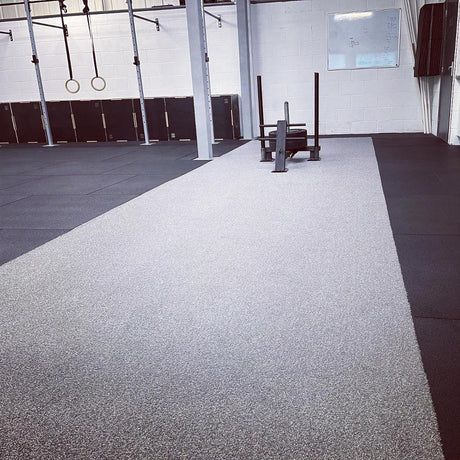
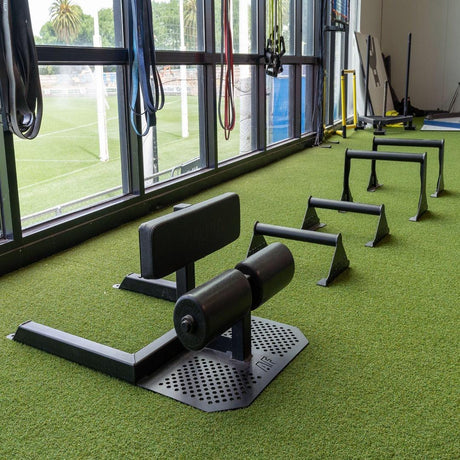
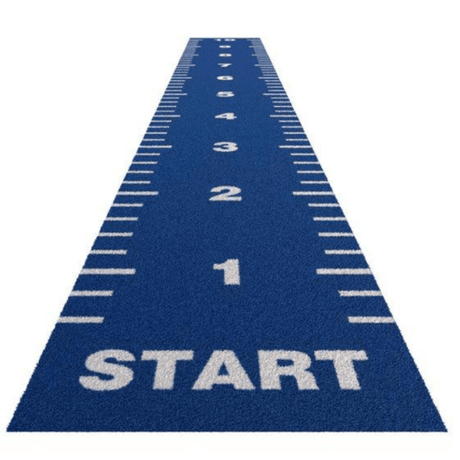
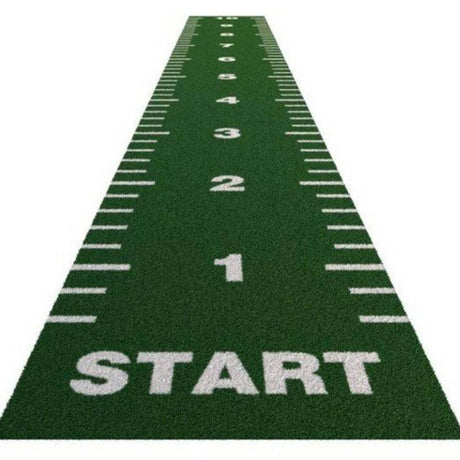
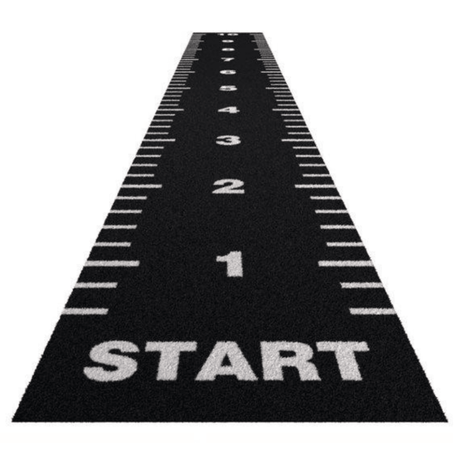
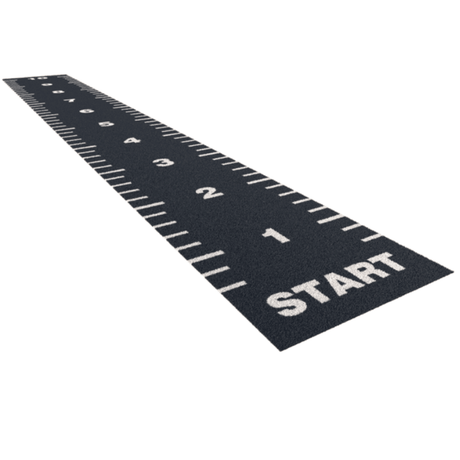
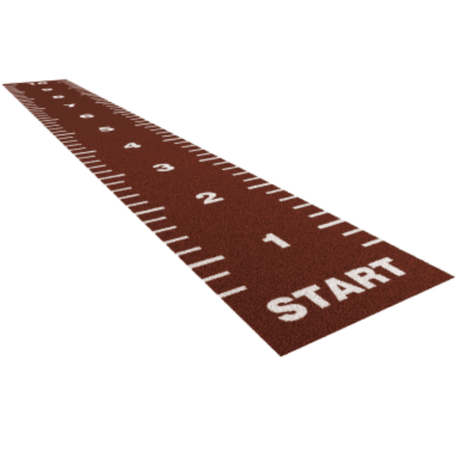
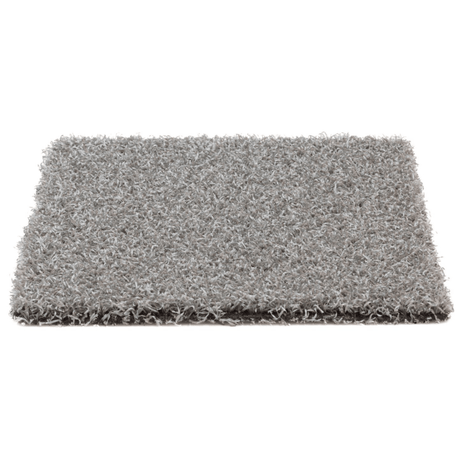
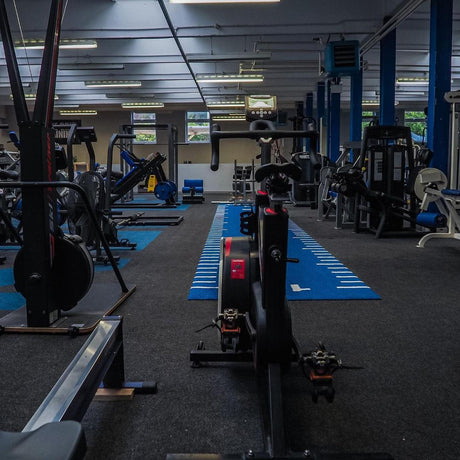
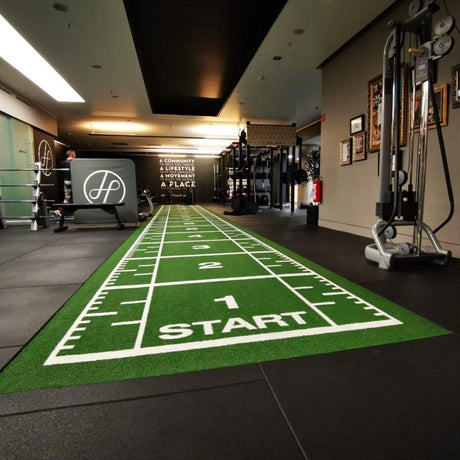
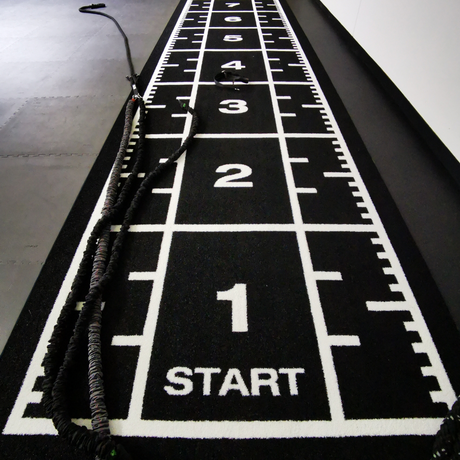
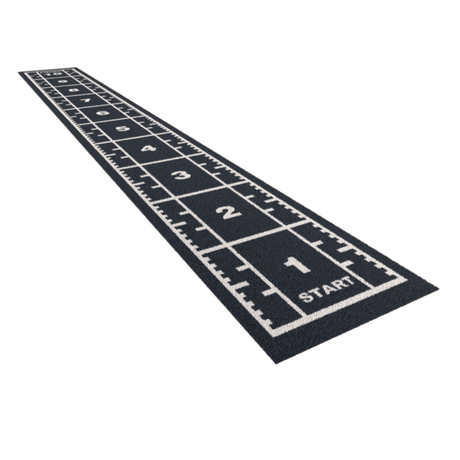
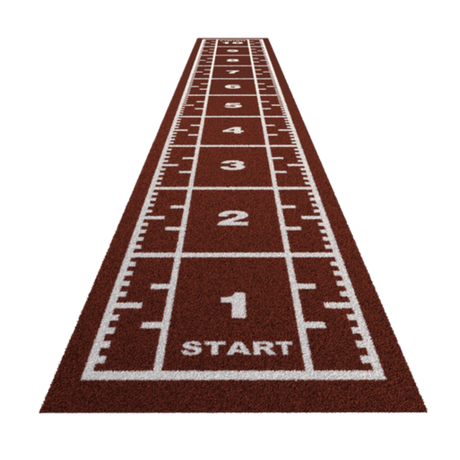
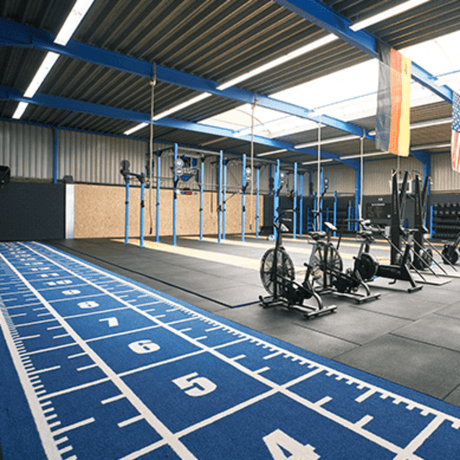
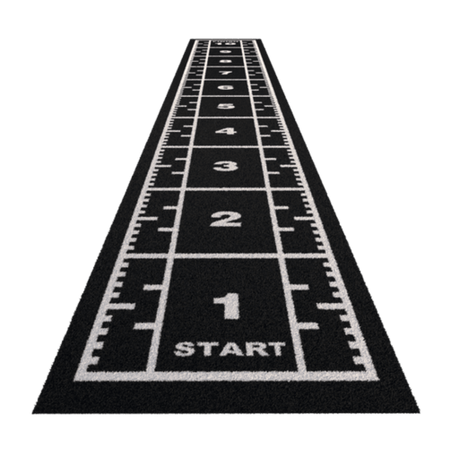
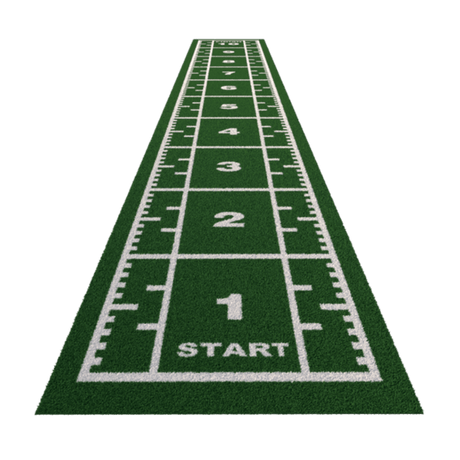
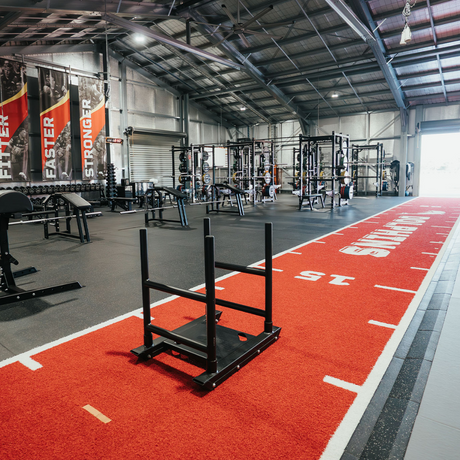
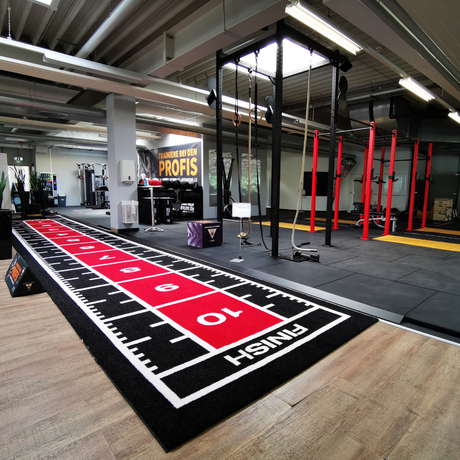
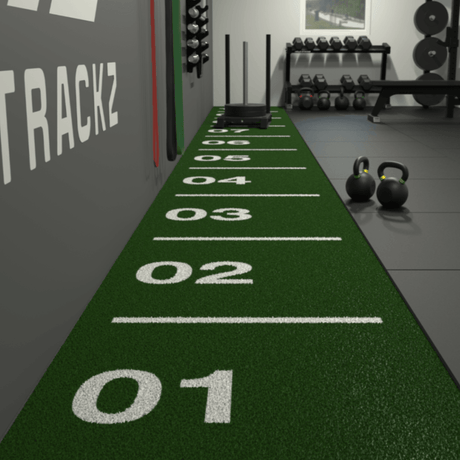

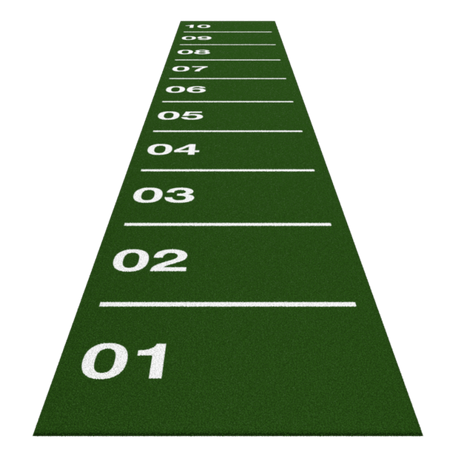

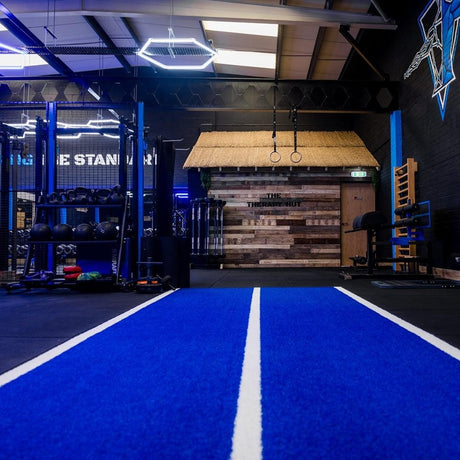
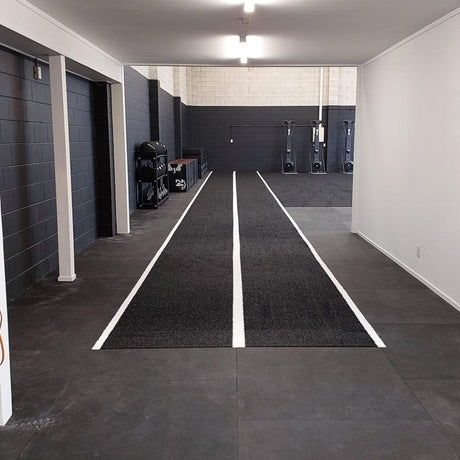
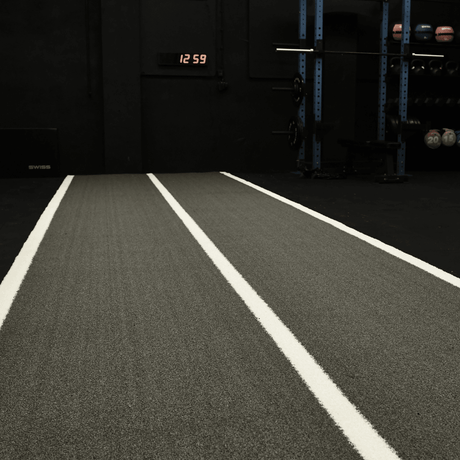
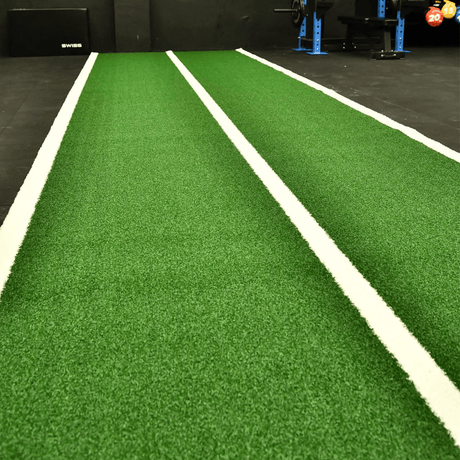
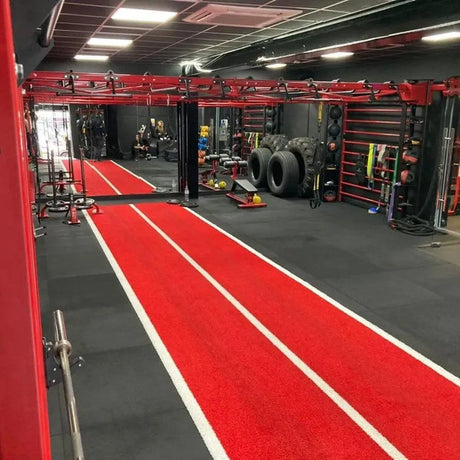
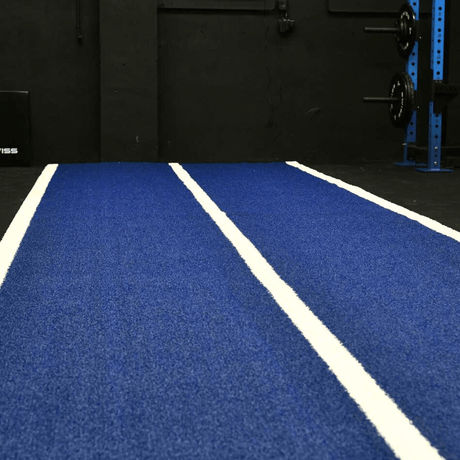
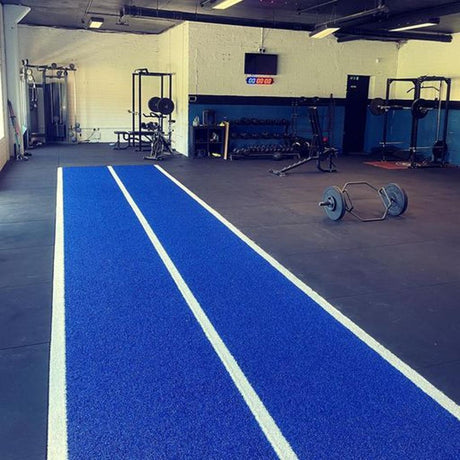
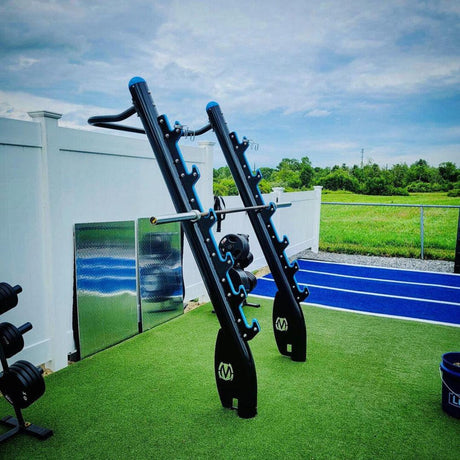
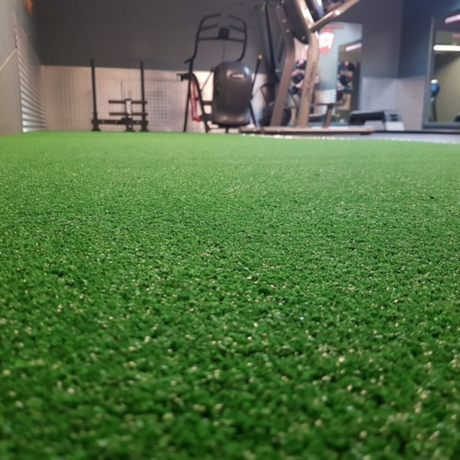
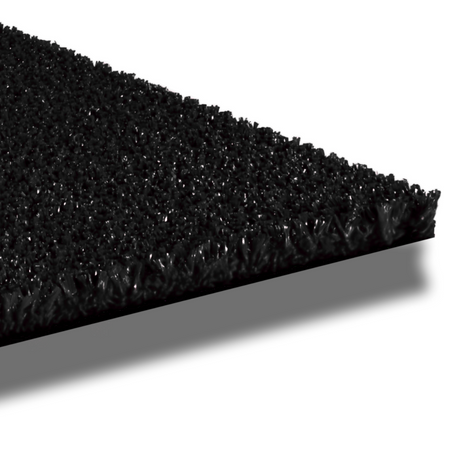
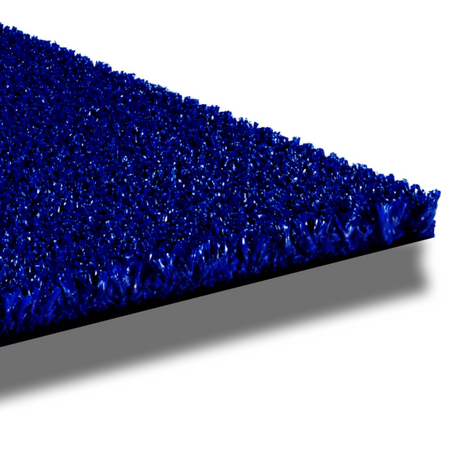
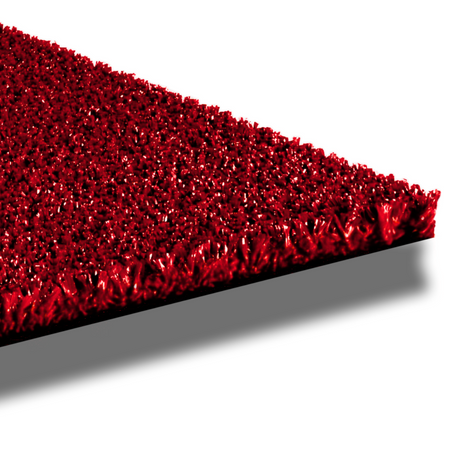
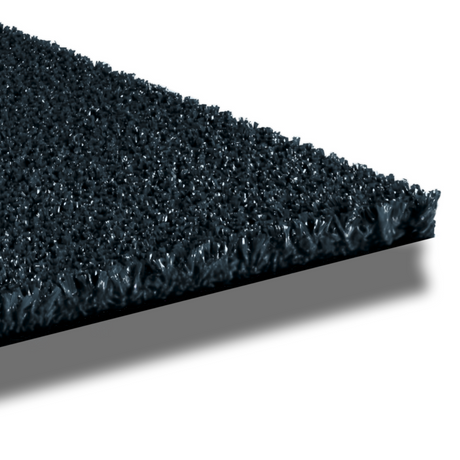
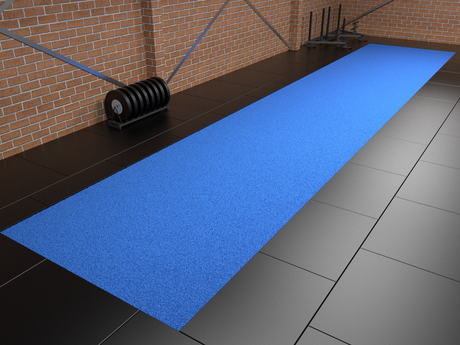
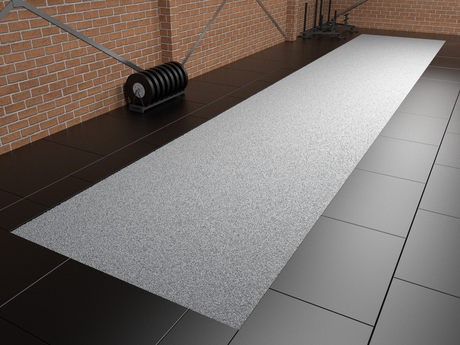
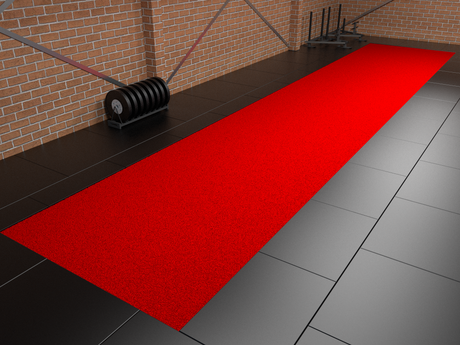
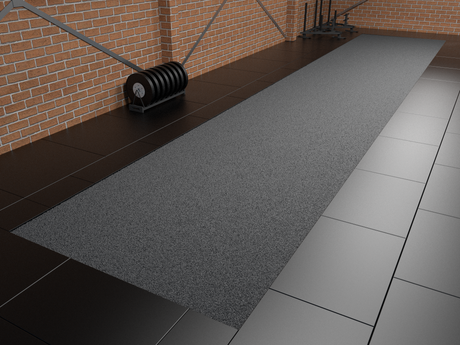
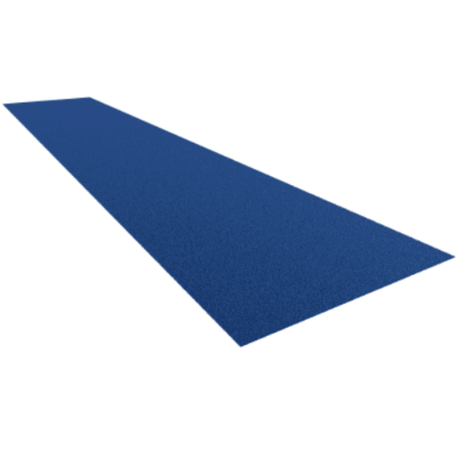
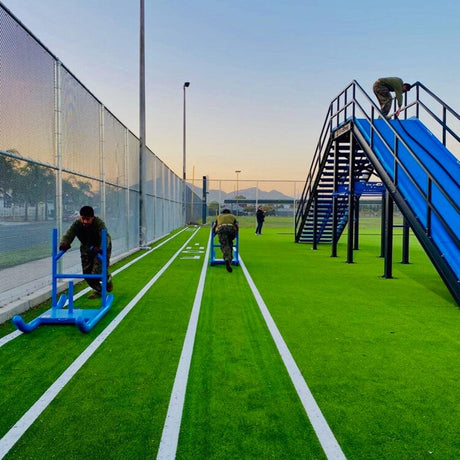
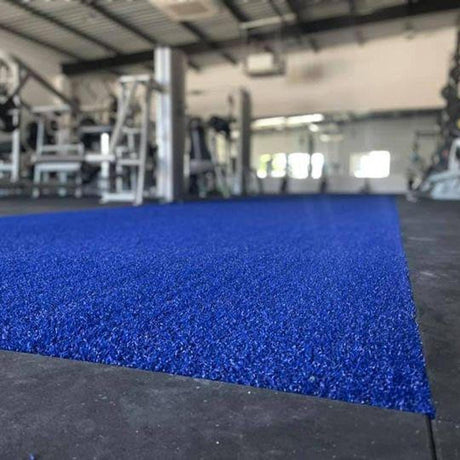
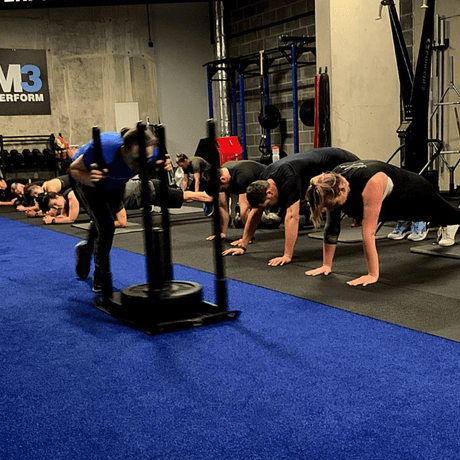
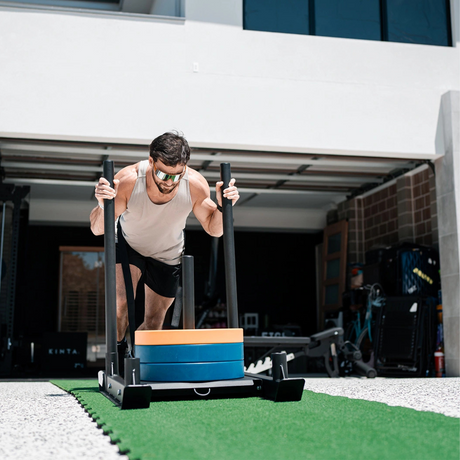
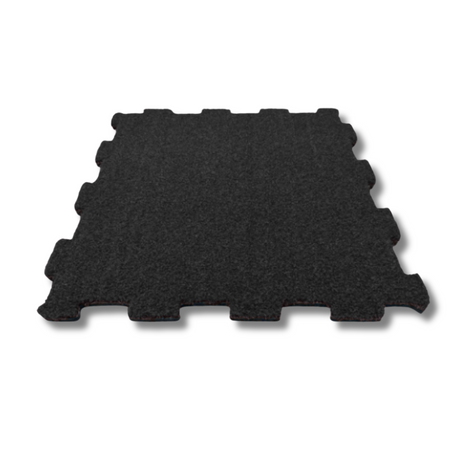
Create a dedicated space for speed, agility and functional training with high-quality sprint track flooring. Suitable for commercial gyms, strength and conditioning facilities, PT studios, schools and home training spaces, our tracks provide a durable surface for running drills, explosive movements and multi-directional exercise.
The collection includes plain tracks, pre-marked sprint lanes, compact speed tracks and custom designs in a choice of widths, lengths and colours. Whether you need a simple training strip or a prominent branded feature running through your gym, you can choose a track that fits the available space and the way your members train.
Maximise Your Gym Functionality with High-Quality Sprint Tracks
A sprint track turns an otherwise underused strip of floor into a defined training zone. It can support short accelerations, resisted running, agility work, walking lunges, bear crawls, loaded carries and a wide range of conditioning exercises.
This makes sprint track flooring particularly valuable in facilities where several activities need to take place within one open-plan area. The clear visual boundary helps organise sessions, direct traffic and separate dynamic training from free-weight or equipment zones.
For a straightforward lane without numbers or lines, a plain indoor sprint track creates a flexible surface that can be adapted to different sessions. Tracks with distance indicators, lanes or start and finish points make it easier for coaches to structure drills and measure performance.
Gym Tracks for Wide Versatility
Despite the name, a gym sprint track is not limited to sprinting. It can become one of the most frequently used surfaces in a functional fitness facility.
Suitable exercise options include:
- Sprint starts and short accelerations
- Shuttle runs and interval training
- Walking lunges and lateral lunges
- Broad jumps and bounds
- Bear crawls and crab walks
- Resistance-band running
- Farmer’s carries and sandbag carries
- Tyre drags and rope pulls
- Agility cone and reaction drills
- Warm-ups, mobility work and movement preparation
The stable synthetic surface allows trainers to programme several exercises along the same lane. Members can move from running drills to bodyweight conditioning or loaded carries without needing to relocate equipment around the gym.

For sessions centred primarily on weighted pushing and pulling, the more specialised sled tracks collection may be the better option. Sprint tracks and sled tracks can look similar, but the correct choice depends on the amount of resistance, frequency of use and types of equipment involved.
Why Opt for a Gym Running Track?
A Defined Surface for Speed and Agility
Running drills performed on general gym flooring can be difficult to organise, particularly in busy facilities. A dedicated gym running track gives athletes a visible start point, direction of travel and finishing area.
This is useful for coached sessions, sports performance work and group conditioning because participants can quickly understand where each drill should take place. Markings can also reduce the need to set out tape or floor markers before every session.
Grip and Controlled Movement
A sprint track should provide dependable traction without feeling excessively rough beneath the hands during crawling or floor-based exercises. The surface needs to support acceleration, deceleration and changes of direction while allowing athletes to move naturally.
Appropriate grip is especially important during explosive starts and lateral drills, where an unstable or slippery surface could affect technique. Footwear, cleaning routines and the condition of the subfloor should also be considered when planning the track area.
Comfort During Repeated Training
Repeated sprinting and jumping can place considerable demand on the feet, ankles and lower limbs. A purpose-designed track creates a more forgiving training surface than bare concrete while remaining firm enough for efficient movement.
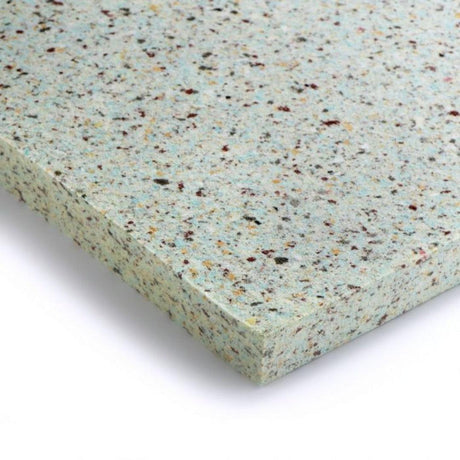
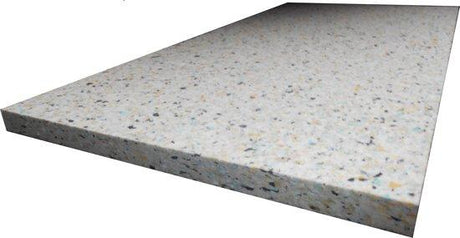
Where additional cushioning is required, a compatible shock-absorption layer may be installed beneath the track. This can be beneficial in performance facilities, schools or areas used for repeated plyometric work. The correct build-up will depend on the subfloor, activity level and desired balance between firmness and impact reduction.
<!-- Insert infographic: the importance of quality gym flooring for sprinters.png -->
Durability for Busy Training Areas
Commercial sprint track flooring must withstand regular foot traffic, repeated drills and contact with training accessories. It should retain its structure and appearance without flattening quickly along the most heavily used section of the lane.
The required specification will depend on whether the track is used occasionally for warm-ups or continuously for coached sessions. A commercial gym, university performance facility or professional training centre will generally require a more robust specification than a lightly used home gym track.
Choosing the Right Sprint Track Flooring
Plain or Marked Sprint Tracks
Plain tracks provide maximum flexibility. Cones, hurdles and portable markers can be repositioned for each workout, making them suitable for facilities that regularly change their programming.
A marked track provides more permanent visual guidance. The Essential Sprint Track with markings can help structure sprint starts, measured intervals, agility drills and coached group sessions without repeatedly measuring the lane.
Full markings are particularly useful in sports performance gyms, schools and larger commercial facilities. A plain track may be more appropriate for a compact studio, home gym or multipurpose training room.
Selecting the Correct Length and Width
Begin by measuring the clear training area rather than the full room. Allow space beyond the track for athletes to slow down safely, and make sure doors, equipment and walkways do not obstruct the running line.
A shorter track can work well for acceleration drills, lunges, crawls and carries. Longer tracks provide more space for running mechanics, progressive acceleration and structured intervals. Width is equally important: a narrow lane can suit individual training, while a wider surface provides more flexibility for group work and side-by-side drills.
Standard tracks are available in several formats, including compact lanes and wider 2m options. A custom track may be preferable when the facility has unusual dimensions or needs to incorporate branding.
Indoor or Outdoor Use
Indoor and outdoor tracks require different specifications. Indoor products are designed for controlled environments, while an external installation must cope with rain, temperature changes, ultraviolet exposure and changing ground conditions.
Do not install an indoor-only track in an uncovered external area. For garden gyms, outdoor bootcamp zones and open-air training facilities, choose materials specifically intended for exterior use. Our outdoor functional training surfaces include weather-resistant options for active spaces exposed to the elements.
Sprint Track Installation
The subfloor should be level, dry, clean and structurally sound before installation. Dust, loose material, moisture or significant surface variations can affect the finish and stability of the completed lane.
Some tracks can be secured with suitable joining tape or adhesive, depending on the product, length and intensity of use. A lightly used home track may have different installation requirements from a long commercial lane used throughout the day.
Before fitting, plan the track position carefully and confirm that:
- Athletes have sufficient stopping space
- The track does not block entrances or emergency routes
- Equipment will not be stored across the running line
- The subfloor is compatible with the installation method
- The turf direction remains consistent along the full lane
For facilities combining a track with wider synthetic training zones, artificial grass and gym turf can be used to create adjoining functional areas with a coordinated appearance.
Custom Sprint Tracks for Branded Facilities
A sprint track is often one of the most visible features in a modern gym. Colour, markings and branding can therefore contribute to the overall identity of the facility as well as its training function.
Custom options can incorporate logos, numbered lanes, distance markings, start and finish points or graphics created around your brand. This is particularly effective in commercial gyms, sports clubs, universities and boutique studios where the interior needs to feel distinctive and professionally designed.
Consider the practical requirements before selecting the visual design. High-contrast markings should remain easy to follow, while logos should be positioned where they will not interfere with measured training zones.
Maintaining Your Sprint Track
Regular maintenance helps preserve grip, appearance and performance. Remove loose dust and debris frequently using a suitable vacuum or soft brush, paying particular attention to the edges and high-traffic areas.
Deal with spills promptly and follow the cleaning recommendations supplied with the chosen product. Avoid harsh chemicals, excessive water and cleaning tools that could damage the fibres.
It is also sensible to inspect the lane periodically for movement, raised edges or wear around start points. Addressing minor installation or maintenance issues early can help keep the track safe, stable and ready for daily training.
From compact home facilities to full commercial performance zones, the right sprint track can add structure, versatility and visual impact to a gym. Measure the available space, consider how the lane will be used and select the width, markings and specification that best support your training programme.
Working to a budget? Why not try our gym flooring budget calculator to help manage costs.