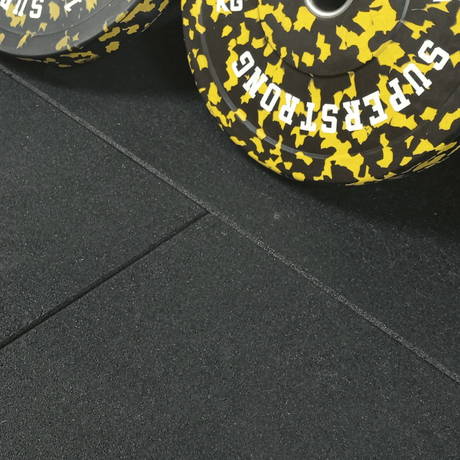
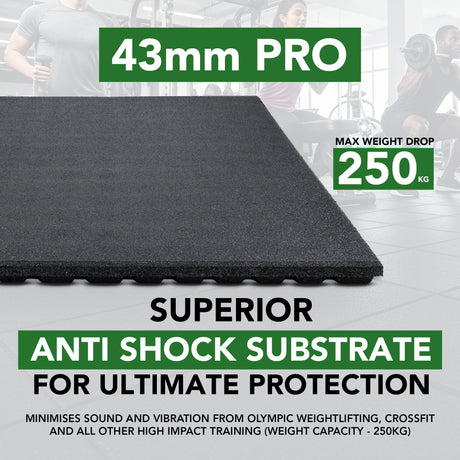
Installing the right gym flooring can save you hundreds, maybe thousands, in floor repairs and maintenance. Whether you’re placing a squat rack in your living room, setting up a weight bench in a spare room, or building a full‑on home gym, unprotected floors can suffer serious damage from dropped weights, gym equipment and repeated heavy loading.
But with the right approach, you can keep your floors looking pristine and ensure a stable, safe workout space.
Why Heavy Weights and Gym Equipment Are a Threat to Your Floors

Many homes feature hardwood, laminate, tile or even vinyl flooring. These surfaces look great, but they were rarely designed to take the impact, weight loads and vibrations generated by gym equipment.
- Dropped weight plates, dumbbells or kettlebells can dent, crack or scratch wood and laminate boards. Even stationary heavy equipment such as benches or racks can leave indentations if the weight is concentrated in small contact points.
- High‑impact exercises, jumping, or the regular shifting of machines can scuff or abrade your flooring over time.
- Vibrations from cardio machines, treadmills or weightlifting rigs can gradually weaken subfloors and finish layers, sometimes affecting structural integrity if repeated long enough.
If you care about preserving the value and aesthetics of your home floors, investing in proper gym flooring and protective measures is essential.
What You Need: The Right Materials for Protection

Not all flooring options are made equal when it comes to protecting floors from heavy gym use. Here are the materials and solutions that consistently stand out.
Rubber Mats - The Gold Standard
Rubber gym mats remain the most recommended solution for heavy weight areas. They offer excellent shock absorption, distribute load evenly, prevent scratches, reduce noise, and resist wear from constant impact.
Some key advantages of rubber mats:
- Superior shock‑absorbing properties make them ideal for dropped weights, preventing dents and cracks in subfloors.
- They provide non-slip surfaces, important for safety during lifts.
- They reduce vibration and noise, especially useful if you live in a multi-floor home or flat.
- They distribute weight more evenly, reducing pressure points under heavy equipment or benches.
That said, not all rubber mats are identical. Quality, density, and thickness matter a great deal. Low-quality rubber may degrade, tear, or fail to protect the floor effectively.
When choosing rubber gym tiles, always match the type of training and level of impact you regularly perform, with the thickness that best suits. Read our blog on picking the right thickness of gym flooring to get it right first time.
Interlocking Foam or PVC Tiles - A Lighter Alternative
If you’re not lifting extremely heavy weights, or your equipment usage is moderate, interlocking foam tiles or PVC tiles may suffice. EVA foam tiles offer cushioning and reasonable protection from mid‑range weight training and exercise routines.
PVC tiles (or plastic‑based gym tiles) offer a middle ground , they are softer than hardwood and more resilient. They provide a stable surface with some cushioning and may be easier to install than alternative options.
However, for heavy free weights or dropped plates, foam and PVC often lack the shock absorption to prevent lasting subfloor damage. Foam is more suited to lighter workouts; PVC offers some support but still is no match for dense rubber flooring under heavy load.
Build a Dedicated Platform - When You Need Maximum Protection
- If you’re serious about heavy lifting (Olympic lifts, drop sets, heavy deadlifts, etc.) you may want to create a dedicated lifting platform. Many gym owners use a timber base topped with dense rubber or horse stall mats to spread weight across the floor and absorb impact.
A platform like this does several things:
- It distributes the weight over a larger area, reducing pressure on the subfloor.
- With rubber on top, it provides excellent shock absorption, dampening noise and vibration even under heavy dropped plates.
- If you build the platform with modular layers (plywood + rubber), you get something more stable and floor‑friendly than relying on one mat.
This approach is especially useful if your home gym flooring is on a suspended floor (e.g. in a shed or upstairs room).
How to Lay Gym Flooring Over Existing Floors (Hardwood, Laminate, Tile)
You might be wondering: “Can I just lay gym flooring on top of my existing floor?” In many cases, yes, you can. But there are a few caveats you should follow to do it safely and effectively.
Use High-Quality Rubber Flooring, Not Just Any Mat
Rubber is widely regarded as the best option for weight areas. However, caution is needed: certain rubber mats may react chemically with certain wood floor finishes.
Some finishes, especially polyurethane-based ones, can discolour or “deluster” when in contact with rubber over time.
To avoid this:
- Choose high-quality rubber flooring,
- If possible, insert a thin barrier layer between the wood floor and rubber (for example a moisture barrier or protective underlay), some floor‑protection advisors recommend using craft paper or a moisture‑resistant sheet under rubber to prevent chemical reactions with finishes.
Ensure Proper Fit and Coverage
For maximum protection, ensure mats or tiles cover the entire workout or heavy equipment area. Gaps can concentrate pressure on exposed flooring, leading to indentations or cracks, especially if weights are dropped or equipment is moved.
Interlocking tiles with inserts are a good choice, they lock together tightly, creating a continuous protective surface.
Consider Building a Raised or Suspended Platform
If your floor is particularly delicate (e.g. engineered hardwood, laminate, upstairs room, or a shed with wooden joists), consider building a platform. A raised timber platform topped with rubber or stall mats spreads weight and avoids direct impact on the original floor.
This approach is ideal for heavy lifters, heavy equipment, or multi‑purpose workout spaces where both free weights and cardio / plyometric workouts occur.Additional Tips and Best Practices

Here are some practical tips to make sure your floor stays protected over the long term:
- Use equipment with non‑marking, rubberised feet when possible. Heavy equipment with metal feet or small contact points damages subfloors easily.
- Clean regularly and remove grit or debris, small stones or grit under mats can scratch and abrade over time.
- Avoid dragging heavy equipment across the floor - lift and reposition instead. Sliding can gouge or scratch even beneath protective mats.
- For dropped weights, consider using bumper plates rather than bare-metal plates, combined with mats, bumper plates significantly reduce impact and shock to the floor.
- If installing rubber mats directly on hardwood, periodically lift the mats to air out the floor and check for any discolouration or moisture build-up underneath. This helps avoid long-term chemical reaction or moisture trapping.
Protecting Different Types of Flooring
Hardwood or Engineered Wood Floors
Hardwood floors are beautiful but also vulnerable. Using dense rubber mats or a dedicated platform is the safest approach. Ensure the rubber doesn’t directly react with the finish, place a barrier underlay if necessary.
Laminate Floors
Laminate can scratch or dent more easily than hardwood. Rubber mats and interlocking tiles offer good protection, but for heavy lifting, a dedicated platform or thicker mats are the safest bet. Lower‑density foam is not sufficient for heavy loads.
Tile or Vinyl Floors
Tiles and vinyl resist moisture but can crack or chip under impact. Rubber mats, interlocking tiles or a weightlifting platform provide cushioning and shock absorption, reducing the risk of cracks or broken tiles. Foam may provide some comfort for lighter exercises, but not sufficient for heavy weights.
Quick Checklist Before You Build Your Home Gym
- Identify your floor type (hardwood, laminate, tile, vinyl, or suspended floor)
- List the equipment and type of training you plan (heavy free weights, benches, cardio machines, bodyweight, etc.)
- For heavy weights/equipment: choose dense rubber mats or build a dedicated platform
- For lighter training: interlocking foam tiles or PVC tiles may suffice
- Add a barrier underlay if using rubber mats over wood to prevent chemical reactions or discolouration
- Make sure mats or tiles cover the entire workout area - no gaps
- Use non‑marking equipment feet, avoid sliding heavy gear, and clean regularly
Choosing the Correct Thickness of Protective Mats
Aim to align the level of impact you regularly practice with mat thickness. Here is a quick guide:

FAQ
How do you protect floors from weights?
You protect floors from weights by placing thick, dense rubber mats or interlocking tiles beneath your equipment. For serious weightlifting or dropped weights, using a dedicated weightlifting platform (e.g. plywood topped with rubber or stall mats) gives the best protection.
How to protect wood floors from heavy furniture or gym equipment?
Use protective mats, rubber tiles or a raised platform. Ensure heavy equipment has rubberised, non-marking feet, avoid dragging it across the floor, and distribute the weight over a larger surface area to prevent dents or indentations.
What can I put on my laminate floor to protect it for a home gym?
Dense rubber mats or interlocking gym tiles are your safest bet. PVC tiles can work for moderate equipment or bodyweight workouts. Avoid thin foam mats if you plan to use heavy weights, they do not offer enough shock absorption.
What is the best floor mat for heavy gym equipment?
A high‑density rubber mat solution or rubber roll is the best choice for supporting equipment. Ensure it is of high quality and is from approx 6mm and above for adequate protection.
Why do people put mats under treadmills or weight benches?
Mats under treadmills or benches absorb vibrations and movement, preventing scratches, dents or indentations on subfloors. They also add slip resistance and stability, and reduce noise, all of which protect your floor and enhance your gym experience.
Conclusion
Protecting your floors from heavy weights is more than just a good idea, it is essential if you want your home gym to coexist peacefully with your home. With the right flooring solution, whether that is dense rubber mats, interlocking gym tiles or a purpose-built weightlifting platform - you can safeguard hardwood, laminate, tile or vinyl floors from dents, cracks and wear.
By combining protective flooring with smart equipment placement, non-marking feet, and regular care, it is entirely possible to enjoy intense lifts and workouts without sacrificing your floor.
Choose wisely, install properly, and you can have both a durable home gym and a home that looks great.
Looking for home gym inspiration? Check out our new Wood Effect Rubber Mats - rubber mats that look like real wood but function like high performance gym flooring.

![20mm Java Black Rubber Gym Flooring Tiles with Recycled Coffee Grounds [Pre-Order] GYM FLOORING Sprung Gym Flooring](http://www.gym-flooring.com/cdn/shop/files/Title_2.png?v=1773994895&width=460)