Let’s get straight to the point: moving your body regularly is one of the most powerful ways to protect your health, boost your mood, and live a longer, stronger life.
In fact, adults who follow the recommended physical activity guidelines significantly reduce their risk of heart disease, diabetes and many chronic conditions.
But how much exercise do adults really need per day?
What counts as moderate or vigorous intensity physical activity, and how often should you aim to workout to build muscle or lose weight?
I’m going to break this down clearly and practically so you can start applying it right away.

Daily vs Weekly Physical Activity: What Experts Recommend
Most health organisations recommend a weekly physical activity target, which you can break down into daily goals that suit your schedule:
- At least 150 minutes of moderate intensity aerobic activity per week, such as brisk walking or cycling.
- OR 75 minutes of vigorous intensity activity per week, such as running, fast swimming or high‑intensity interval training.
- OR an equivalent combination of moderate and vigorous intensity activity.
- Muscle‑strengthening activities on at least 2 days a week that work all the major muscle groups (legs, hips, back, chest, shoulders and arms).
Doing this throughout the week, rather than all in one session, helps keep your heart, lungs and muscles healthier.
So if you spread the moderate activity evenly over 5 days, you end up with a daily goal of around 30 minutes of brisk, moderate activity.
You might combine that with short muscle strengthening sessions (such as resistance bands or lifting weights) two or more times per week to promote muscle growth.
What Counts as Moderate and Vigorous Intensity Activity?

Understanding intensity helps you hit the right targets:
Moderate Intensity Physical Activity
This should raise your heart rate and make you breathe faster, but you should still be able to talk. Examples include:
- Brisk walking
- Cycling on flat ground
- Dancing
- Water aerobics
- Gardening (like pushing a lawn mower)
Vigorous Intensity Physical Activity
This makes you breathe hard and fast, and talking becomes more difficult. Examples include:
- Running
- Fast cycling
- High‑intensity interval training (HIIT)
- Sports like football or tennis
You can mix these based on your schedule and goals. For example, two 15‑minute vigorous sessions per day could replace one longer 30‑minute moderate session.
How Much Exercise Per Day for Weight Loss?
If your goal is weight loss, you’ll probably want a bit more than the minimum. Experts suggest that aiming for 300 minutes of moderate intensity activity per week (about 60 minutes a day, five days a week) can support weight loss or help keep weight off.
Here’s how to structure it:
- 60 minutes daily of moderate aerobic activities like brisk walking, cycling, dancing or swimming.
- Add strength training twice per week to maintain muscle mass while losing fat.
It’s the combination of cardio and strength work that helps you burn calories while keeping metabolic rate high.
How Often Should Adults Workout to Build Muscle?

If your focus is building muscle, aerobic activities alone aren’t enough. Strength and resistance training is essential. Here’s a simple plan:
Strength Training Routine:
- 2 to 3 sessions a week is ideal for most adults.
- Focus on exercises that engage major muscle groups like squats, deadlifts, chest press, rows, lunges and shoulder presses.
- Use progressive overload (lifting heavier or increasing difficulty) to stimulate muscle growth.
Weekly Muscle Strengthening:
| Day | Activity |
|---|---|
| Mon | 30 min moderate cardio + strength session |
| Tue | 30 min brisk walk or light activity |
| Wed | 30 min moderate cardio + strength session |
| Thu | Rest or gentle movement |
| Fri | 30–60 min vigorous cardio |
| Sat | 30 min moderate activity + strength session |
| Sun | Active recovery (walking, mobility, stretching) |
This kind of plan hits cardio and strength while giving your muscles time to recover and grow.
Is Walking Enough?
Walking definitely counts as exercise! As long as it’s brisk enough to make your heart beat faster and breathing heavier, it contributes to your moderate intensity physical activity goals.
Even short walks throughout the day add up and benefit health, especially if you break up long periods of inactivity.
So yes, walking counts and is a great starting point if you are new to exercise or need to build consistency.
What About Exercise Every Day?
You do not have to exercise every single day to be healthy as long as you meet the weekly targets. Some people prefer “weekend warrior” patterns where they condense their exercise into a few longer sessions and still gain significant health benefits.
That said, spreading activity out daily makes it easier to build a consistent habit and may improve mood, energy and sleep quality.
Bonus Tips to Maximise Your Results

1. Vary Your Workouts
Mix moderate and vigorous activities, and include both cardio and muscle strengthening work to get comprehensive health benefits.
2. Break Up Long Sitting Periods
Extended sedentary periods are linked with poor health. Stand up, walk around, and fit in small bursts of activity throughout your day.
3. Track Intensity
Aim to breathe harder and sweat, but not so much that you can’t sustain conversation on moderate days.
4. Recovery Matters
Muscles grow and repair during rest. Ensure you balance intense sessions with lighter activity or rest days.
5. Build good Habits
Establishing new and effective routines that support your new exercise goals will bring consistency and a greater chance of longterm success. Create a small exercise space at home, a home gym or join a class to make solid commitments to your goals.
How can I become more active?
To build more exercise and activity into daily life, a method called 'habit stacking' is useful to get started. Here's how it works:
 Final Thoughts
Frequently Asked Questions
How much exercise do adults need a day?
Adults should aim for around 30 minutes a day of moderate intensity activity, building up to 60 minutes if weight loss is a goal. Strive for at least 150 minutes weekly.
Does walking count as exercise?
Yes! Brisk walking counts as moderate intensity physical activity, especially when it raises your heart rate and breathing.
What exercises are good for longevity?
A mix of aerobic activities and muscle strengthening exercises supports long‑term health by improving heart health, bone density and metabolic function.
What is the healthiest form of exercise?
There isn’t a single best form. The healthiest routine combines moderate to vigorous aerobic activity and strength training consistently through the week.
Are two 15‑minute walks as good as one 30‑minute walk?
Yes! Short sessions that add up across the day count toward your weekly total if they elevate your heart rate.
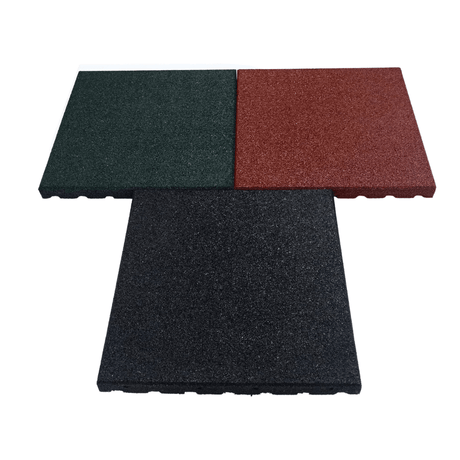
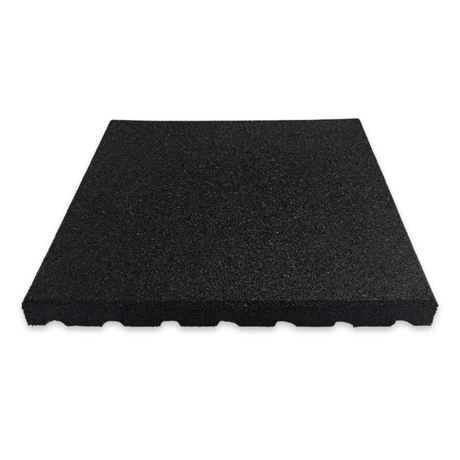
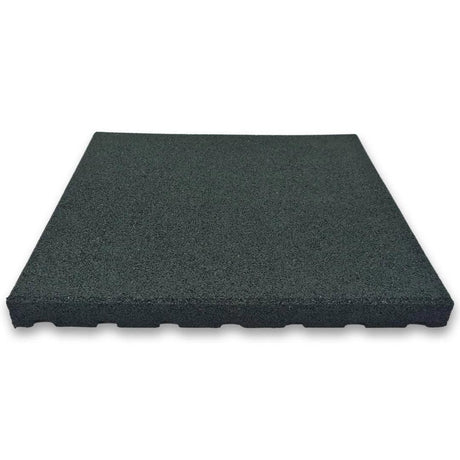
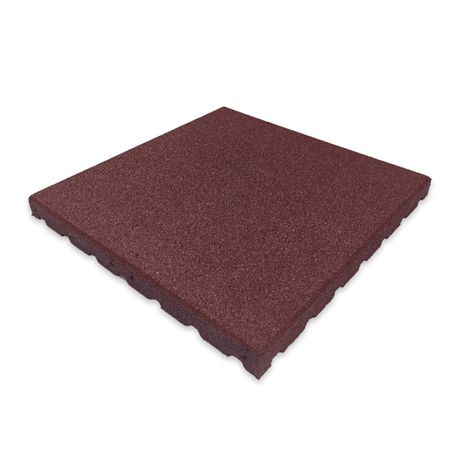
Looking to start exercising from home? Browse our workout exercise mats and home gym flooring options to get started.