
 Uitverkoop
20mm Konnecta Snowflake Self-Locking Gym Flooring Mat
£56.99£65.74Eenheid prijs /Niet beschikbaar-
![Sprung Konnecta Fleckz Coloured Fitness Self-Locking Tiles- 20mm (6 colours) GYM FLOORING GymFloors Light Grey 20mm]()
![Konnecta Fleckz Self-Locking Fitness Tiles (6 colours)]()
![Konnecta Fleckz Self-Locking Fitness Tiles (6 colours)]()
![Konnecta Fleckz Self-Locking Fitness Tiles (6 colours)]()
![Konnecta Fleckz Self-Locking Fitness Tiles (6 colours)]()
![Konnecta Fleckz Self-Locking Fitness Tiles (6 colours)]()
![Konnecta Fleckz Self-Locking Fitness Tiles (6 colours)]()
![Konnecta Fleckz Self-Locking Fitness Tiles (6 colours)]()
![Konnecta Fleckz Self-Locking Fitness Tiles (6 colours)]()
![Konnecta Fleckz Self-Locking Fitness Tiles (6 colours)]()
![Konnecta Fleckz Self-Locking Fitness Tiles (6 colours)]()
![Sprung Konnecta Fleckz Coloured Fitness Self-Locking Tiles- 20mm (6 colours) GYM FLOORING GymFloors Blue 20mm]()
![Sprung Konnecta Fleckz Coloured Fitness Self-Locking Tiles- 20mm (6 colours) GYM FLOORING GymFloors]()
![Sprung Konnecta Fleckz Coloured Fitness Self-Locking Tiles- 20mm (6 colours) GYM FLOORING GymFloors]()
![Sprung Konnecta Fleckz Coloured Fitness Self-Locking Tiles- 20mm (6 colours) GYM FLOORING GymFloors Red 20mm]()
![Sprung Konnecta Fleckz Coloured Fitness Self-Locking Tiles- 20mm (6 colours) GYM FLOORING GymFloors]() Uitverkoop
UitverkoopKonnecta Fleckz Self-Locking Fitness Tiles (6 colours)
Van £56.60£70.75Eenheid prijs /Niet beschikbaar 
![20mm Onyx EPDM Rubber Gym Tiles]()
![20mm Onyx EPDM Rubber Gym Tiles]() Uitverkoop
Uitverkoop-
Uitverkoop
-
![Black Puzzle Interlocking Floor Mats Jigsaw Mats - 10mm GYM Sprung Gym Flooring Default Title]() Uitverkoop
Uitverkoop -
![Black Puzzle Interlocking Gym Floor Mats Jigsaw Mats - 15mm GYM Sprung Gym Flooring Default Title]() Uitverkoop
Uitverkoop15mm Black Interlocking Gym Floor Jigsaw Mats
£46.20£57.75Eenheid prijs /Niet beschikbaar -
Uitverkoop
-
![Interlocking Turf Puzzle Tiles]()
![Interlocking Turf Puzzle Tiles]() Uitverkoop
Uitverkoop -
![20mm Konnecta Matterhorn Gym Flooring Mats]()
![20mm Konnecta Matterhorn Gym Flooring Mats]()
![20mm Konnecta Matterhorn Gym Flooring Mats]() Uitverkoop
Uitverkoop20mm Konnecta Matterhorn Gym Flooring Mats
Van £59.78£74.72Eenheid prijs /Niet beschikbaar -
Uitverkoop
Sprung Konnecta Hex tile - 25mm - next batch due in October
£9.75£12.18Eenheid prijs /Niet beschikbaar


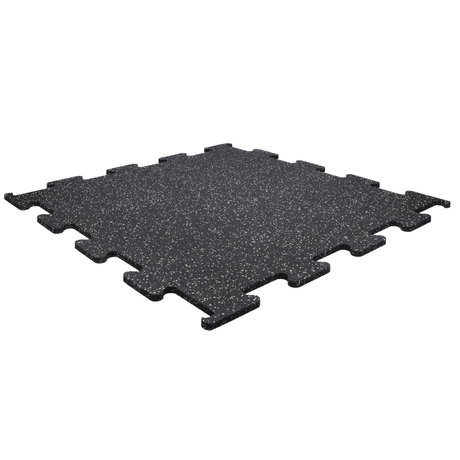
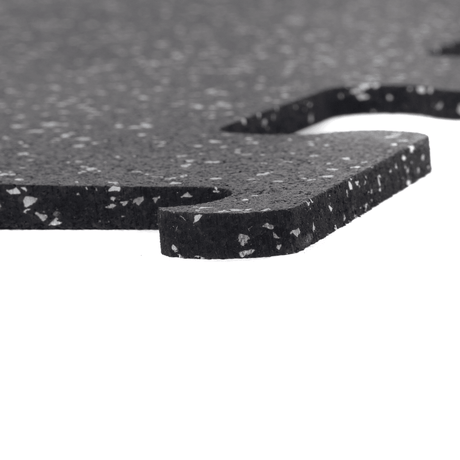
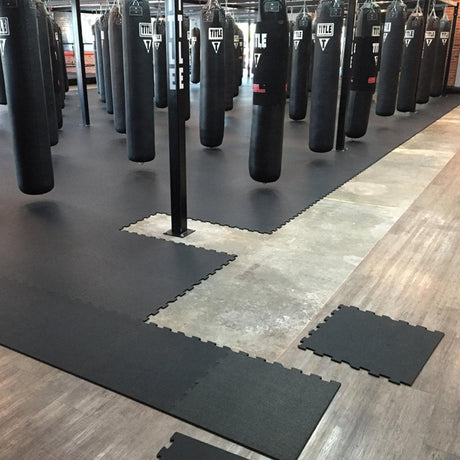
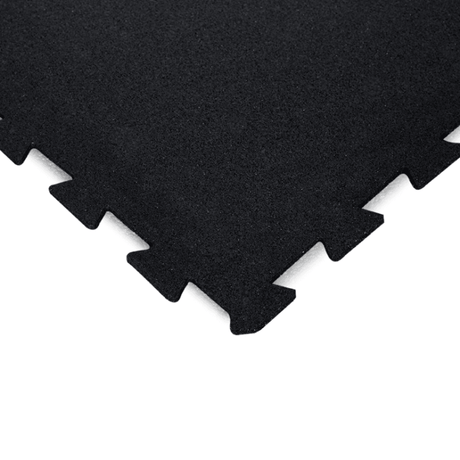
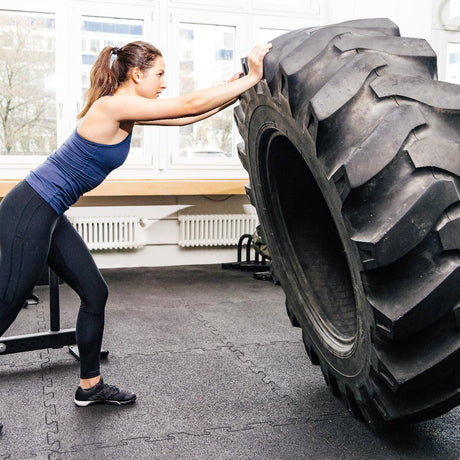
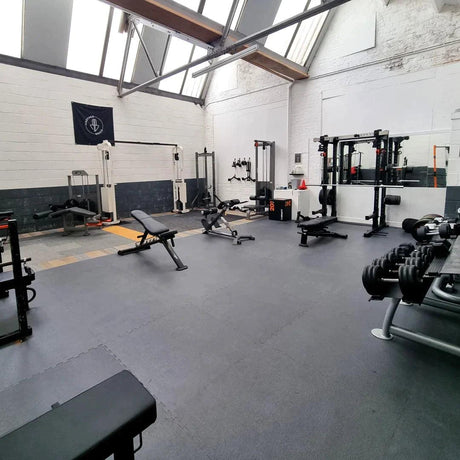
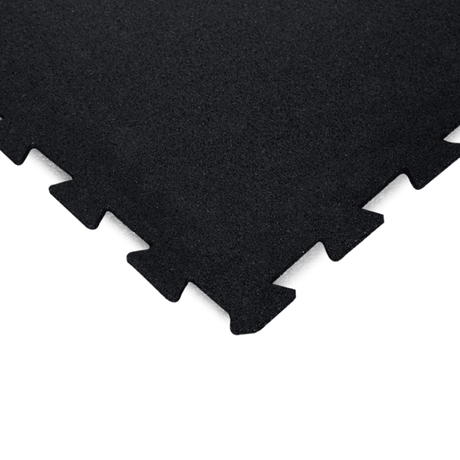
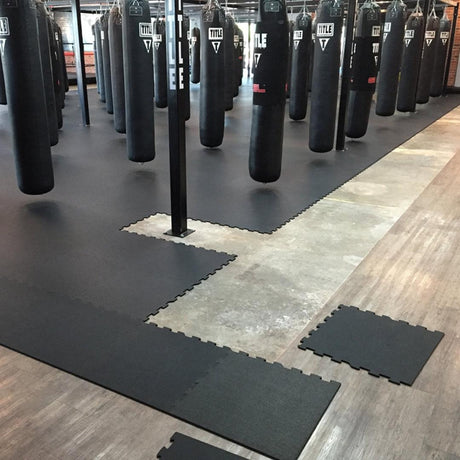


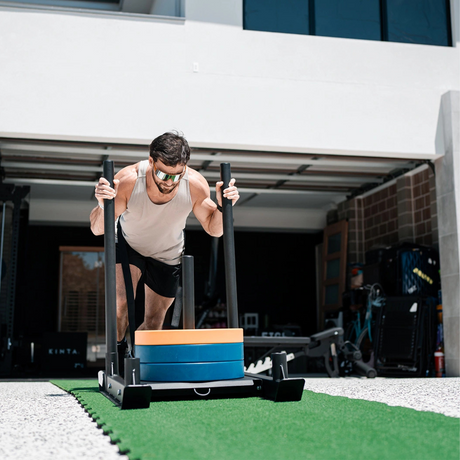
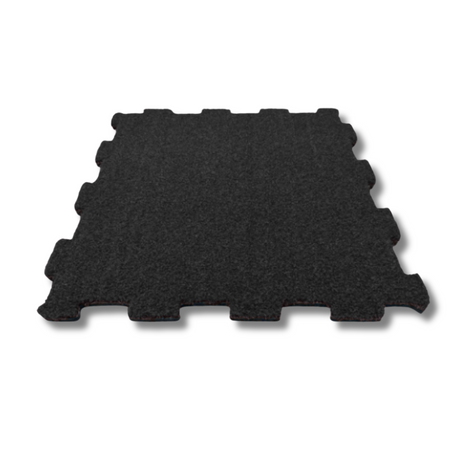
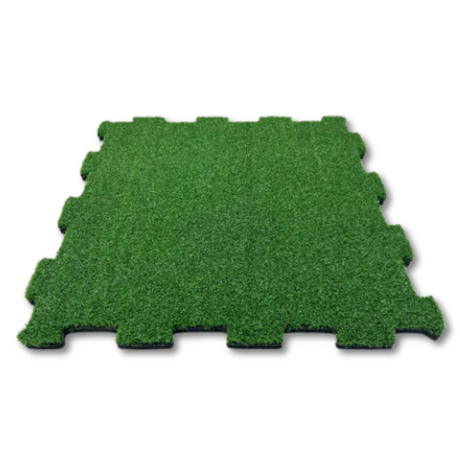


Create a stable, durable training surface without the cost or disruption of a complicated installation. Our interlocking rubber gym tiles are designed to fit securely together, making them a practical option for home gyms, garage conversions, personal training studios and busy commercial fitness facilities.
Choose from traditional jigsaw-edge mats or premium hidden-connection systems that combine straightforward DIY fitting with a smooth, professional appearance. Available in several thicknesses, colours and finishes, these tiles provide dependable grip, equipment support and impact protection while allowing individual sections to be lifted or replaced when necessary.
Why Choose Interlocking Exercise Mats?
Interlocking tiles are particularly useful when you want a secure floor but would prefer not to permanently bond it to the subfloor. Each tile connects to the next, helping the surface remain aligned during strength training, circuits, cardio workouts and general gym use.
This modular construction makes interlocking flooring suitable for rented properties, multipurpose rooms and facilities where the layout may change in the future. A damaged tile can be removed individually, while the complete floor can potentially be lifted and relocated if the gym moves premises.
Compared with loose individual rubber gym mats, a connected tile layout is less likely to separate or develop gaps during exercise. It can also reduce installation costs because many systems do not require adhesive or a specialist flooring contractor.
The main benefits include:
- Simple DIY installation
- Stable connections between neighbouring tiles
- Protection for concrete, screed and other suitable subfloors
- Slip-resistant support for exercise and equipment
- Reduced impact, noise and vibration
- Individual tile replacement
- Straightforward cleaning and maintenance
- Options for home and commercial gyms
Interlocking Rubber Floor Tiles UK Options
Not all interlocking gym tiles use the same connection system. The best choice depends on the appearance you want, the size of the room, your training style and whether the flooring may need to be moved later.
Konnecta Interlocking Rubber Mat Range
The premium Konnecta rubber gym tile range uses concealed connectors positioned underneath the tiles. These bind neighbouring sections together without leaving a visible jigsaw edge across the surface.
Once fitted, the floor has the clean appearance of closely laid straight-edge tiles while retaining the convenience of a modular installation. This makes Konnecta especially suitable for modern home gyms, PT studios, boutique fitness spaces and commercial facilities where visual presentation matters.
The 20mm format offers a versatile balance of cushioning and stability for dumbbells, kettlebells, benches, racks, functional exercise and most general strength training. Colour choices include understated black and grey finishes as well as Fleckz designs that can be used to introduce colour, create zones or complement an existing interior.
Puzzle Interlocking Rubber Matting
Puzzle mats have shaped edges that slot directly into one another. They are quick to lay, easy to understand and useful for compact rooms or temporary training areas where straightforward fitting is the priority.
Our 10mm and 15mm puzzle mats are well suited to lighter free weights, cardio equipment, bodyweight workouts and general fitness. Their lower profile can be helpful beneath doors or in rooms where excessive floor height would cause a problem.
Puzzle tiles leave the interlocking edge visible, giving them a more functional appearance than a hidden-connection floor. However, they remain a cost-effective choice for garage gyms, workout corners and multipurpose spaces.
What Thickness of Interlocking Gym Tile Do You Need?
Floor thickness should be selected according to the type of training taking place rather than room size alone.
A 10mm interlocking mat can be sufficient for exercise bikes, cross trainers, light dumbbells, stretching and bodyweight training. Moving to 15mm adds protection for more regular strength workouts and moderately loaded equipment.
For a mixed-use gym with racks, benches, kettlebells and heavier dumbbells, 20mm is usually the most versatile specification. It provides greater impact absorption while remaining firm enough to support stable equipment placement.
Repeated deadlifts, Olympic lifting and very heavy dropped weights may require a thicker specialist surface. In these areas, consider dedicated free weights flooring or combine the main interlocking floor with thicker impact tiles beneath the lifting station.
Flooring can reduce impact noise and vibration, but no surface can guarantee that heavy weight drops will be inaudible in neighbouring or downstairs rooms. Upstairs gyms and attached properties may require an assessed acoustic build-up rather than relying on the surface tile alone.

Interlocking Tiles for Home and Garage Gyms
Interlocking flooring is a popular choice for home gym flooring because it can be installed without permanently altering the room. It works well in spare bedrooms, garden rooms and compact training areas where the flooring may later be lifted or reconfigured.
For light exercise and compact equipment, 10mm or 15mm may be enough. A 20mm system is a better all-round option when the room includes free weights, a squat rack or a weight bench.
Garage floors often require more protection because gym equipment is positioned directly over concrete. Before fitting the tiles, make sure the base is clean, dry, reasonably level and free from loose paint or debris. Rubber is moisture-resistant, but it should not be used to conceal an existing damp or water-ingress problem.
A close-fitting interlocking layout also makes garages easier to clean by covering dusty concrete and creating a more comfortable surface beneath the feet.
Interlocking Flooring for Commercial Gyms
In a commercial facility, flooring must cope with high footfall, repeated equipment use and regular cleaning. Interlocking systems provide a practical alternative to permanently bonded flooring, particularly in leased premises or smaller studios.
Within a wider commercial gym flooring plan, interlocking tiles can be used throughout a strength or functional zone, or combined with other surfaces. Thinner rubber rolls may cover circulation and cardio spaces, while thicker connected tiles provide extra protection around racks and free weights.
The ability to replace one tile rather than an entire floor is also valuable in high-use environments. It allows worn or locally damaged areas to be addressed with less disruption.
Interlocking Rubber Tiles or Straight-Edge Tiles?
Interlocking tiles are generally the better choice when easy DIY fitting, future removal or modular flexibility is important. They help keep neighbouring tiles aligned without requiring full adhesive coverage.
Straight-edge rubber gym tiles can create an equally professional finish but may rely on accurate compression fitting, perimeter restraint or adhesive. They are often preferred for permanent wall-to-wall projects where the floor is unlikely to be moved.
A concealed connector system offers a useful compromise: the appearance of straight edges with the security and convenience of an interlocking installation. Our guide to interlocking versus straight-edge rubber gym tiles explains the differences in more detail.
Easy DIY Installation
Begin with a clean, dry and level subfloor. Plan the layout before cutting and avoid starting with very narrow sections along one wall. Depending on the tile style, installation may begin from the centre of the room or from a straight corner.
Connect each tile carefully and check that it lies flat before continuing. Rubber can be cut using a sharp utility knife and a firm straight edge, although several controlled passes are safer and more accurate than trying to cut through the full thickness at once.
Where tiles meet a doorway or uncovered edge, a matching ramp can create a neater transition and reduce the possibility of catching the raised surface. Installation demonstrations are available in our tutorials and product videos.
Cleaning and Maintaining Interlocking Rubber Mats
Vacuum or sweep regularly to remove grit, chalk and loose debris. Damp mop the floor using a diluted neutral-pH cleaner, avoiding strong solvents, acidic products and excessive water.
Sweat and spills should be wiped up promptly, particularly around benches and machines. Occasionally inspect the joints and exposed edges, especially after equipment has been moved.
With the correct thickness and basic routine care, interlocking rubber gym tiles provide a secure, low-maintenance floor that can adapt as your training space, equipment and layout change.
Find out more by reading:-
Interlocking vs Straight-Edge Rubber Gym Tiles: Which Should You Choose?
