

 Sale
Sale-
Sale
-
Sale

![EasiFit Heavy Duty 50cm x 50cm Gym Flooring Mats – Smaller Size for Easy Fitting -3 Colours]()
![30mm Sprung gym mats in three colours, 50cm x 50cm]()
![EasiFit Heavy Duty 50cm x 50cm Gym Flooring Mats – Smaller Size for Easy Fitting -3 Colours]()
![Heavy-duty rubber tiles for horse washing areas and paddocks]()
![EasiFit Heavy Duty 50cm x 50cm Gym Flooring Mats – Smaller Size for Easy Fitting -3 Colours]()
![EasiFit Heavy Duty 50cm x 50cm Gym Flooring Mats – Smaller Size for Easy Fitting -3 Colours]() Sale
SaleEasiFit Heavy Duty 50cm x 50cm Gym Flooring Mats – Smaller Size for Easy Fitting -3 Colours
From £8.30£10.93Unit price /Unavailable-
Sale
-
![Rubber Outdoor 1m x 1m Outdoor Gym Tiles - 43mm outdoor garden mats Sprung Gym Flooring Black]() Sale
Sale
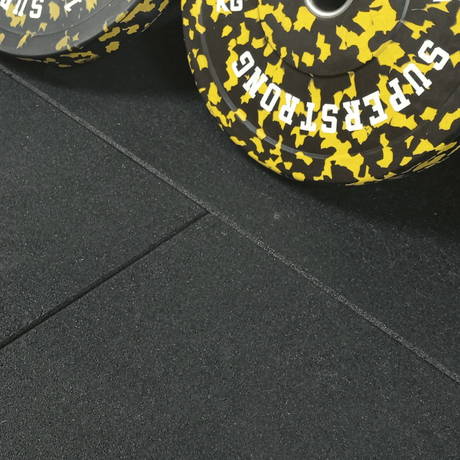
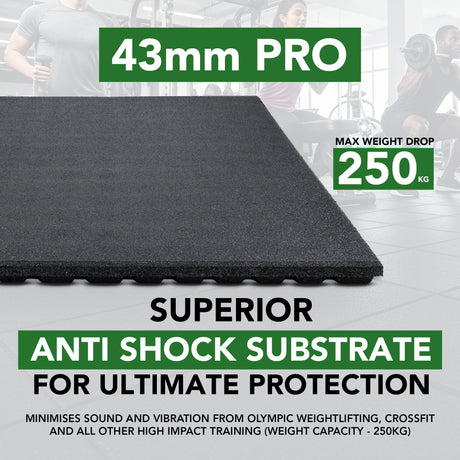
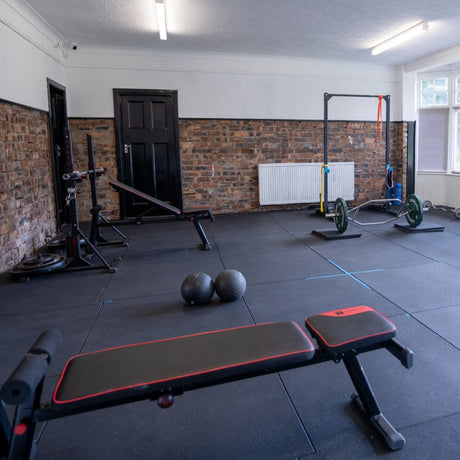

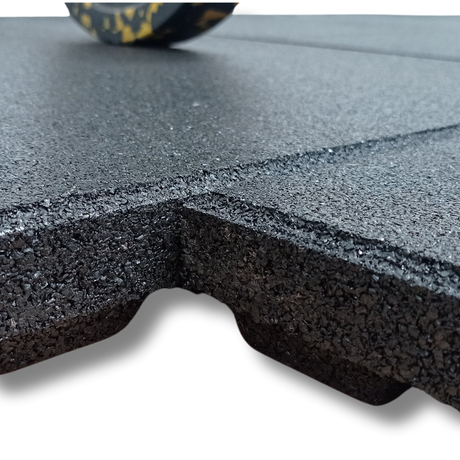


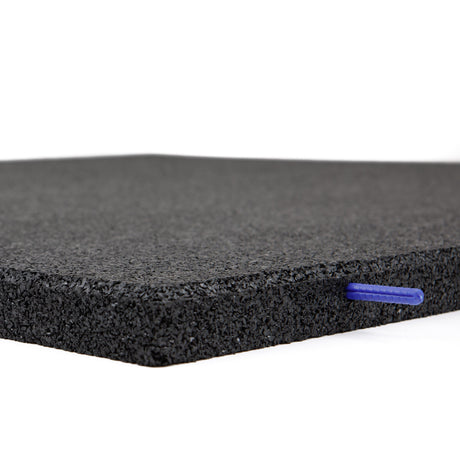
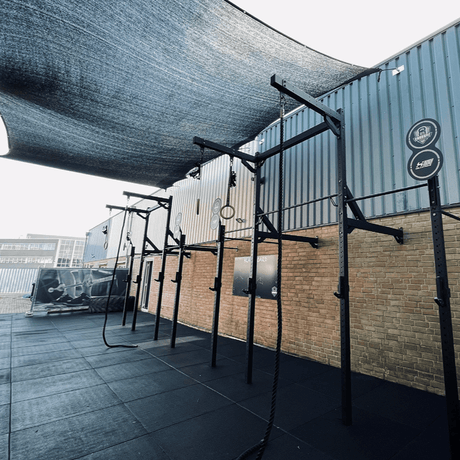
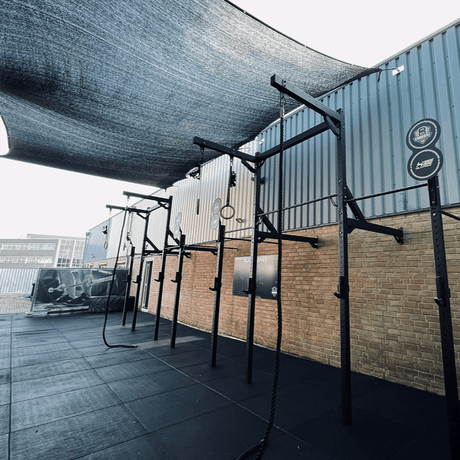
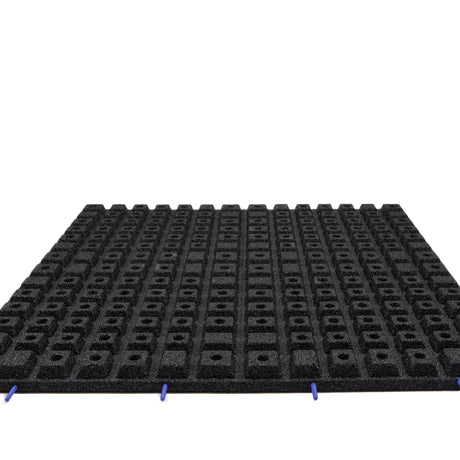
Create a safer, quieter lifting area with AntiShock high-impact rubber floor tiles designed for dropped weights, heavy equipment and demanding gym use. These dense tiles help absorb impact before it reaches the subfloor, while limiting vibration and structure-borne noise from deadlifts, Olympic lifts, functional training and weight machines.
The range is suitable for home gyms, garage gyms, strength facilities, PT studios and commercial free-weight zones. It is especially useful where standard thin rubber flooring does not provide enough protection for the loads being used.
Shop extra thick gym mats in different thicknesses to match your equipment, lifting style and required level of floor protection.
Ultimate Shock Absorbing Floor Mats
Heavy weights create concentrated impact that can damage concrete, screed, timber and other subfloors. AntiShock tiles are manufactured from dense recycled rubber and use a cushioned studded base to absorb and disperse that force.
This makes them a practical choice beneath squat racks, lifting platforms, cable machines, benches and plate-loaded equipment. They also provide a more forgiving surface for box jumps, kettlebell training and conditioning drills.
Unlike a loose exercise mat, these heavy-duty tiles form a stable surface across a complete training zone. Their substantial weight helps them remain positioned, while the textured rubber top provides grip underfoot.
For general resistance training or lighter equipment, standard rubber floor tiles may be sufficient. AntiShock tiles are the better option when maximum impact protection is the priority.
What Thickness of AntiShock Gym Flooring Do You Need?
The correct thickness depends on the heaviest loads used, how frequently weights are dropped and the strength of the existing subfloor.
- 43mm tiles are suitable for heavy free-weight training and loads of up to approximately 250kg.
- 53mm tiles provide increased cushioning for demanding lifting zones and loads of up to approximately 300kg.
- 63mm tiles offer the highest protection in the range and support loads of up to approximately 350kg.
Choose flooring for the most demanding activity that will take place, rather than the average workout. A home gym used for controlled dumbbell training may require less protection than a commercial zone where barbells are repeatedly dropped from height.
For deadlifting and Olympic lifting, cover the full drop zone, including the space beyond the bar ends. Browse Olympic weightlifting flooring for surfaces designed around this type of training.
Sound Isolation and Noise Reducing Floor Mats
AntiShock tiles help reduce impact noise and vibration by cushioning the point where weights and equipment meet the floor. This can make training more comfortable within the gym and limit disturbance in adjoining rooms or neighbouring properties.
The greatest benefit is usually with structure-borne noise: the thud and vibration transferred through floors, walls and the building frame. Tiles can also reduce rattling beneath machines and the sharp sound created when plates contact a hard surface.
No surface can make repeated heavy drops completely silent. Results depend on building construction, subfloor, dropped weight and room location. Upstairs gyms and apartments require more careful acoustic planning than ground-floor spaces on concrete. Where noise transfer is the main concern, combine the impact tile with soundproof flooring mats or a specialist acoustic underlay.
For flats or upper floors, controlled lifting and suitable bumper plates are also important. See gym flooring for apartments for shared-building installation guidance.
Extreme Durability Floor Protection Tiles
AntiShock flooring is designed for high-load areas where thinner surfaces may compress, split or allow impact to pass into the base below. It can withstand repeated use beneath racks, benches, free weights and substantial fitness machines, making it suitable for private and high-traffic environments.
The resilient surface helps protect equipment as well as the building. Plates are less likely to chip when placed or dropped onto rubber, while the subfloor is shielded from scuffs, cracks and concentrated pressure.
For busy strength facilities, explore commercial gym flooring. For dedicated lifting rooms and high-load zones, heavy duty gym flooring provides further options.
AntiShock Flooring for Home and Garage Gyms
In a home gym, the right floor depends on the room and training style. AntiShock tiles are ideal for ground-floor weight rooms, converted garages and outbuildings where barbells, racks and heavy machines are used.
They can be laid over a firm, level concrete base, and underside channels help manage airflow and small amounts of moisture. However, the subfloor must still be dry, sound and free from major dips. Existing damp or water ingress should be resolved before fitting.
In garages, allow the tiles to acclimatise before installation and leave an appropriate perimeter expansion gap. View gym flooring for garages for advice on concrete bases, temperature changes and room preparation.
For spare bedrooms or living areas used mainly for cardio, dumbbells and bodyweight exercise, a less thick home gym flooring option may be more economical and easier to fit around doors.
Suitable for Indoor and Outdoor Training Areas
The dense rubber construction, moisture resistance and drainage channels make selected AntiShock products suitable for outdoor use. They can be fitted beneath covered lifting rigs, functional stations and garden gym equipment, provided the base is firm, level and able to drain.
Do not install directly onto soft soil, loose gravel or uneven lawn. A prepared concrete, paved or compacted sub-base provides proper support and reduces movement. Outdoor areas should have a slight fall so rainwater can escape rather than collect beneath the surface.
For exposed spaces or areas that do not need maximum AntiShock thickness, compare outdoor rubber flooring tiles.
Simple Installation
AntiShock tiles can be fitted without specialist machinery. In many enclosed rooms, they are installed using a tight compression fit, with full tiles laid first and perimeter pieces cut accurately to the walls.
Large open areas, entrances and outdoor installations may require adhesive or connectors depending on the product and site. The first row must be square, as a small alignment error becomes more noticeable across the floor.
Use compatible bevelled edges or corners where the flooring finishes within an open room. These create a smoother transition and reduce the risk of catching a foot or equipment wheel on an exposed edge.
Soundproof Flooring Tiles with a Non-Slip Surface
The textured rubber top provides dependable grip for lifting, footwork and machine training. It is also more comfortable underfoot than bare concrete during longer sessions or while standing around racks and equipment.
For routine cleaning, vacuum or sweep away dust and chalk, then mop with warm water and a mild neutral cleaner. Avoid harsh solvents, oil-based products and excessive flooding. Outdoor tiles can be rinsed, but standing water should not remain beneath the floor.
Choosing the Right Rubber Gym Flooring
AntiShock tiles are best where impact, vibration and heavy loading are the main concerns. If your space is used for lighter training and appearance is a bigger priority, consider Konnecta interlocking gym tiles or coloured fleck gym flooring instead.

By choosing the correct thickness and preparing the subfloor properly, you can create a durable lifting surface that protects the building, supports equipment and makes intense training less disruptive.
For help matching tile thickness to your weights, equipment and room type, contact our flooring team before ordering.
Access Full Specification Library
Find out more by reading:-
The Best Gym Mats for Home Gyms
Gym Mats to Support your Workout Type
Six Ways to Make a Home Gym Last Longer