A powerful kettlebell swing should feel like your hips are doing the heavy lifting, not your shoulders or lower back. Get that right and the swing becomes one of the most time-efficient exercises you can do for strength, fitness, and coordination.
In this guide, I’ll walk you through a simple, repeatable kettlebell swing technique, then I’ll call out the most common mistakes I see and exactly how to fix them. If you are a beginner, brilliant. If you are already swinging but want better results, you are in the right place.
Why kettlebell swings work (and why they sometimes do not)
Kettlebell swings work because they train explosive power through a sharp hip hinge movement and fast hip extension. When you do it well, your posterior chain (glutes, hamstrings, erector spinae) drives the movement while your core engaged position keeps your spine stable. The upper body stays connected, but it is not doing the lifting.
This is not hype, either. A Journal of Strength and Conditioning Research study found that 6 weeks of twice-weekly kettlebell swing training improved maximum strength by 9.8% and explosive strength (jump height) by 19.8% in the tested group.
The catch is simple: technique. If the swing turns into a squat, a shoulder raise, or a loose pendulum where gravity takes over, you will miss the point and often feel it in the back, shoulders, or knees.

Hinge vs squat: the pattern that makes or breaks your swing
The kettlebell swing is a hip hinge, not a squat.
The hinge (correct)
- You push your hips back.
- Your torso leans forward as one unit, with a long spine.
- Your knees bend a little, but your shins vertical position stays fairly consistent.
- You feel hamstrings load, then you “snap” the hips forward.
The squat (incorrect)
- Your hips drop down.
- Knees drive forward.
- The swing becomes a up and down squat motion, which usually kills hip power and makes the bell swing low.
A cue I love is from strength coach Dan John, quoted in Men’s Health:
“If I was to try to find the hardest thing to teach in the kettlebell swing, and really in almost anything we do in the weight room, is teaching people to hinge not fold.”
This matters because “folding” is what causes rounded backs, shoulder tugging, and that horrible feeling of being pulled towards the kettlebell.
The 6-point technique check (use this every set)

1) Triangle setup
Stand with feet about shoulder-width. Place the kettlebell on the floor slightly in front of you so your feet and the bell make a triangle. This encourages a proper hike and stops you starting too close.
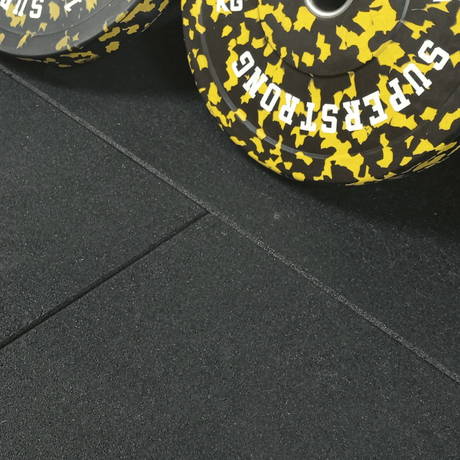
Gym floor note: a stable, non-slip gym floor helps you create force into the ground. If your feet slide, your swing becomes a balance exercise, not a power exercise.
2) Pack the shoulders
Grip the handle and “pack” the shoulders: down and back, lats on. Your arms should feel like straps. This protects the shoulders and links the upper body to the torso so the bell follows your hips.
Quick cue: squeeze your armpits gently, as if holding something in place.
3) The hike
Tilt the competition kettlebell towards you, then hike it back between your legs like hiking a football. The bell should travel back high into the hip crease, not drop low below the knees.
At the bottom, your back stays long, your neck neutral, and your weight stays through midfoot and heels. Think “rooted” rather than wobbly.
4) The hip snap
Drive the hips forward hard. You are not pulling with the arms, you are pushing the hips forward into full extension. Your glutes squeeze. Your knees straighten naturally. Your ribs stay down.
If you want a clean body cue, imagine your belly button and sternum staying stacked over your pelvis as you stand tall.
5) The float
At the top, the kettlebell should float to chest or eye level in a standard two-hand swing. You guide it, but you do not lift it. If your forearms and shoulders are doing a front raise, the hips are not doing their job.
6) The vertical plank
At the top, you should look like a strong standing plank: glutes tight, core braced, shoulders packed, head neutral, no leaning back. This is “good form” you can repeat for reps.
Power cues: breathing, timing, and rhythm

Breathing is not decoration. It is a tool.
- Inhale (or a quick sniff) on the backswing to brace.
- Exhale forcefully as you snap the hips forward.
This hard exhale helps keep tension in the core and stops the spine from going soft at speed.
Timing also matters. Let the kettlebell fall, then hinge as it comes back, keeping the bell close. When it clicks, the swing has a clean rhythm: hinge, snap, float, hinge. Smooth, crisp, repeat.
Common mistakes and quick fixes
Mistake 1: The shoulder raise
What happens: you lift the bell with the arms and shoulders.
What you feel: shoulders burning, traps cramping, upper body fatigue.
Fix: lighten the weight and practise “dead-stop” swings. Hike, snap, park. Focus on hips driving the bell. Arms are hooks.
Mistake 2: Rounded back (lumbar flexion)
What happens: you fold, the spine rounds, the bell pulls you forward.
Fix: reduce range and weight. Pack shoulders harder and keep the bell higher in the hips. Practise the hip hinge with a wall drill: stand close to a wall and push hips back to tap it, keeping shins fairly vertical.
If in doubt, a personal trainer or strength coach can spot this instantly. It is worth correcting early.
Mistake 3: The bell drops too low
What happens: the kettlebell swings below the knees, yanking your shoulders and lower back.
Fix: hike the bell back higher, keep your lats on, and hinge from the hips. Think “zip the bell into the hip crease” rather than “let it dangle”.
Mistake 4: Weight shifts to the toes
What happens: heels lift, feet twist, balance disappears.
Fix: use a tripod foot: heel, big toe, little toe. Drive through the heels into the ground. If your footwear is soft and unstable, switch to something flatter for better stability.
Mistake 5: Kettlebell swings side to side
What happens: the bell drifts left or right, often due to uneven grip or hip shift.
Fix: square your feet, squeeze the handle evenly, and slow the tempo. Film from the front for 10 reps. Keep the bell path centred.
How do I know if I’m doing kettlebell swings correctly?
Use this checklist after every set:
- Glutes and hamstrings do the work, not the lower back.
- The bell floats, you are not lifting it.
- Shins stay mostly vertical.
- Spine is neutral, including the neck and head.
- You can keep the same rhythm for every rep.
If your technique falls apart, stop. Better results come from quality reps, not grinding through fatigue.
Kettlebell swing technique for beginners (including beginners female)
If you are searching for “kettlebell swing technique for beginners” or “kettlebell swings for beginners female”, here is the progression I use because it keeps form tidy.
Step 1: Learn the hip hinge first
Do 2 sets of 8 hinges with hands on hips. Feel hamstrings load. Keep spine long.
Step 2: Hike and park
Do single reps: hike, snap, park. Aim for 8 to 10 clean reps. Rest and repeat.
Step 3: Short sets
Move to 3 sets of 10 reps. Stop each set while the technique is still sharp.
This is also a great reset for advanced athletes who want to rebuild crisp mechanics after a lay-off.
Kettlebell swing types and variations

Once your two-hand swing is consistent, you can add kettlebell swing variations. Earn them, do not rush them.
Russian swing
The classic: bell to chest or eye level. Great for strength, conditioning, and repeatable technique.
American swing
Bell overhead. This demands more shoulder mobility and control in the upper body and torso. Keep core braced and avoid leaning back at the top.
Single arm swing
Brilliant for anti-rotation core strength and grip. Keep hips square and do not let the bell pull you into side to side rotation.
Other options
- Alternating hand swing
- Double kettlebell swing (higher demand, not for beginners)
- Swing to high pull (only once technique is rock solid)
Kettlebell swings: how many reps should you do?
“Kettlebell swings how many reps?” depends on your goal and the weight you use. For beginners, keep reps modest so your technique does not crumble.
- Beginners: 2 to 3 sets of 10 to 15 reps
- General fitness: 3 to 5 sets of 10 to 20 reps
- Power focus: 6 to 10 reps per set, heavier weight, longer rest
If you are chasing “kettlebell swings before and after” changes, consistency beats hero workouts. Two or three sessions a week, clean reps, steady progression. That is what moves the needle.
Kettlebell swing exercise benefits (including benefits for women)
Kettlebell swings train the hips, core, and grip in one go, and they do it fast. Over time, many people notice stronger glutes and hamstrings, better posture from a stronger posterior chain, and improved fitness without needing long cardio sessions.
Kettlebell swing benefits for women often include improved hip strength and core control, which carries over nicely to running, lifting, and day-to-day movement. The key is choosing a weight you can control while still feeling that hip snap and float.
A simple 10-minute practice plan
Do this 2 to 3 times a week:
- Hip hinge drill: 1 minute
- Hike and park: 2 minutes (8 reps, rest, 8 reps)
- Swings: 5 minutes (3 sets of 10, rest as needed)
- Breathing reset and hamstrings stretch: 2 minutes
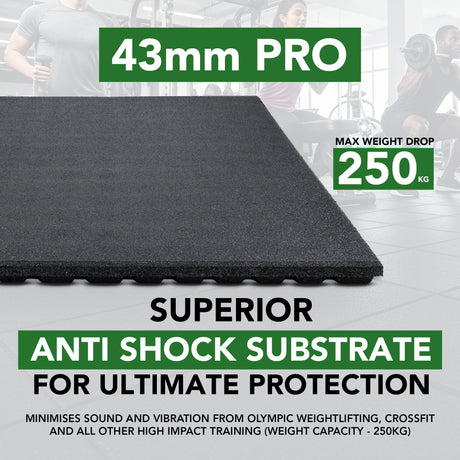
Set up on a stable surface like slip resistant gym flooring mats, keep your training area clear, and make sure the kettlebell has space to move safely forward and back.
FAQ
What is the proper way to do kettlebell swings?
Use a hip hinge, hike the bell back high between your legs, snap the hips forward into a braced standing plank, and let the bell float to chest height.
What are the common mistakes when doing kettlebell swings?
Squatting instead of hinging, lifting with the arms, rounding the back, letting the bell drop too low, and shifting weight to the toes are the most common mistakes.
How do I know if I’m doing kettlebell swings correctly?
You should feel the posterior chain working, keep a neutral spine, maintain a controlled bell path, and keep consistent rhythm without the shoulders taking over.
Should my arms bend during a kettlebell swing?
A small natural bend is fine, but avoid curling or front-raising. The arms guide the kettlebell while the hips create the power.
What do you want to avoid at the bottom of a kettlebell swing?
Avoid a rounded back, loose shoulders, and a bell path that drops low and pulls you forward. Keep shoulders packed, core braced, and the bell high in the hips.
Ready to create your own kettlebell workout space? Opt for our high comfort, extra stable rubber mats from the PRO collection.