Most people give up on free weights exercises for one simple reason: they think progress means buying heavier dumbbells. Not true! With the right moves, proper form, and a few clever progressions, you can build strength, improve muscle engagement, and keep seeing results at home with the weights you already own.
In this guide, I’ll walk you through the best free weight exercises using dumbbells, plus a full body workout with dumbbells at home that suits beginners and experienced lifters alike. I’ll also cover dumbbell progressions: 4 ways to make an exercise harder without heavier weights using tempo, range of motion, unilateral work, and pauses.
What counts as free weights exercises?

Free weights are weights you move through space without a machine guiding the path. Think dumbbells, kettlebells, barbells, and even a weight plate. Because you control the movement, free weight exercises recruit stabiliser muscles, challenge your core muscles, and build practical strength for real life.
They also suit small spaces, which is why dumbbell workouts at home are so popular.
What are the best free weight exercises?
The best options hit multiple muscle groups, use a strong starting position, and can be progressed safely. Below are the key patterns you want in your weekly plan:
- Squat (legs and core strength)
- Hinge (posterior chain and back muscles)
- Push (chest muscles and shoulder muscles)
- Pull (back muscles and upper arms)
- Carry and brace (core strength and stabilising muscles)
You do not need dozens of movements. You need a tight list of many dumbbell exercises that cover the whole body well.
Full body workout with dumbbells at home
This is a simple, repeatable plan you can use 2 to 4 times per week. It works as a dumbbell full body workout for beginners and intermediates. If you want to turn it into a dumbbell workout plan PDF, copy the workout section into a document and tick off sessions as you go.
How to choose your weight
Start with lighter weights so you can nail proper form. You should feel challenged in the final 2 reps of each set, but you should still be able to keep correct form and a controlled range of motion.
The workout structure
- Warm-up: 5 minutes
- Main workout: 20 to 30 minutes
- Cool-down: 3 to 5 minutes
Yes, 20 minutes of dumbbells can be enough when you stay focused and keep rest times sensible!
Warm-up (5 minutes)
Do 30 to 45 seconds each:
- Body weight squats (slowly lower, stand tall)
- Hip hinge practice (hands on hips, hinge forward)
- Arm circles and shoulder blade squeezes
- Plank or dead bug (brace core muscles)
- Light squat to reach (mobility)
The 8 best dumbbell exercises for full-body results

1) Dumbbell squat
A great dumbbell squat builds legs and core strength while teaching you to stay stable.
Starting position
- Stand with feet shoulder width apart, feet flat, toes slightly out.
- Hold a dumbbell in each hand at your sides, or goblet style at chest level.
- Keep an upright torso, chest proud, shoulder blades gently set.
How to do it
- Drop into a squat position with knees bent and knees slightly tracking over toes.
- Slowly lower until your thighs are parallel or as low as you can control.
- Drive up through mid-foot and heel, keeping the core tight.
Sets and reps: 3 x 8 to 12
2) Dumbbell deadlift
This is your hinge for the posterior chain. It targets glutes, hamstrings, and back muscles.
Starting position
- Feet hip width (or shoulder width if that feels steadier), dumbbells at thighs.
- Arms straight, soft knees with a slight bend.
- Brace your core muscles and keep your spine neutral.
How to do it
- Push hips back and hinge forward.
- Keep dumbbells close to legs, legs straight-ish but never locked.
- Stand tall by squeezing glutes, not yanking with the back.
Sets and reps: 3 x 8 to 10
3) Bent over row
The bent over row is one of the best dumbbell exercises for back strength.
Starting position
- Hinge to about 45 degrees, dumbbells hanging.
- Keep neck long, chest open, shoulder blades set.
How to do it
- Row by pulling elbows back, keeping upper arms close to ribs.
- Pause briefly at the top, then slowly lower.
- Aim for a smooth range of motion without swinging.
Sets and reps: 3 x 10 to 12
4) Single arm dumbbell row
This variation builds control and hits stabiliser muscles hard.
Setup
- Support one hand on a bench or sturdy surface.
- Stagger stance with left foot forward when rowing with right arm (swap sides).
- Keep hips square and core braced.
How to do it
- Row the dumbbell to your hip, pause, then slowly lower.
- Keep shoulders level and avoid twisting.
Sets and reps: 3 x 10 each side
5) Bench press or floor press (dumbbells)
If you have a weight bench, go for a dumbbell bench press. If not, a floor press is brilliant.
Starting position
- Lie down with feet flat, knees bent.
- Dumbbells at chest level, palms facing forwards.
- Keep shoulder blades gently pulled back into the floor or bench.
How to do it
- Press up until arms straight (do not lock aggressively).
- Lower with control until upper arms lightly touch the floor or reach bench depth.
- Feel the chest muscles doing the work.
Sets and reps: 3 x 8 to 12
Optional: Use an incline bench to bias the upper chest if available.
6) Overhead press
A classic for upper body strength and shoulder muscles.
Starting position
- Stand with feet shoulder width, core braced.
- Dumbbells at shoulder height, palms facing forwards.
- Avoid leaning back, keep ribs down.
How to do it
- Press weights overhead in a straight line.
- Finish stacked: wrists over elbows over shoulders over hips.
- Slowly lower back to shoulder height.
Sets and reps: 3 x 6 to 10 (use a moderate weight)
7) Bulgarian split squat
One of the best moves for legs, balance, and single-leg strength.
Starting position
- Rear foot elevated on a bench or step.
- Front foot planted, knee tracking over toes.
- Hold a dumbbell in each hand.
How to do it
- Lower with control, keeping torso tall.
- Drive up through front foot.
- Keep hips square and stable.
Sets and reps: 2 to 3 x 8 each side
Tip: This is ideal for a full body workout with weights female or anyone wanting strong legs without huge loads.
8) Biceps curl
Not essential for full-body strength, but great for arms and confidence!
Starting position
- Stand tall, elbows close to sides, palms facing forwards.
How to do it
- Curl without swinging, keep upper arms still.
- Pause, then slowly lower.
Sets and reps: 2 x 10 to 15
Dumbbell progressions: 4 ways to make an exercise harder without heavier weights

Here’s the truth: the weight is only one lever. The other levers are how you move it.
1) Tempo (time under tension)
Slow reps increase time under tension and raise muscle activation. Try:
- 3 seconds down, 1 second up
- Or add a 2-second hold at the hardest point
This works brilliantly on squats, rows, and presses.
2) Range of motion
A deeper squat (within control), a fuller press, or a longer row can make the same load feel much heavier. Use a safe range of motion you can own with proper form.
3) Unilateral training (single-limb)
Using one arm or one leg increases demand on stabiliser muscles and core muscles. Examples:
- Single arm dumbbell row
- Split squat and Bulgarian split squat
- One-arm overhead press
4) Pauses within the lift
Pause reps remove momentum and force cleaner reps. Try 1 to 3 seconds:
- At the bottom of a squat
- At chest level in a press
- At the top of a row with shoulder blades squeezed
Is it possible to build muscle with free weights?

Yes. Free weights are excellent for building muscle because they let you train big patterns, load them progressively, and recruit stabilising muscles. Focus on:
- Consistent sessions
- A small set of key lifts
- Progressive overload using weight, reps, tempo, range of motion, unilateral work, or pauses
- Enough food and sleep for recovery and muscle growth
Should I lift weights every day?
For most people, no. I recommend 2 to 4 sessions per week for a full-body plan. If you love training daily, rotate muscle groups and keep some days lighter. Your joints and connective tissue need recovery even if your motivation is sky high!
A simple weekly rhythm:
- 3 days per week: full body (Mon, Wed, Fri)
- 4 days per week: upper body, lower body, rest, upper body, lower body
What should I eat when weight-lifting?
You do not need a perfect menu, but you do need a plan:
- Protein with every meal (helps repair and muscle development)
- Carbs around training for energy, especially if you train hard
- Water and a pinch of salt if you sweat a lot
Practical approach:
- 1 to 3 hours before: a normal meal with protein and carbs
- After training: protein plus a balanced meal
Flooring tip for safer home dumbbell training
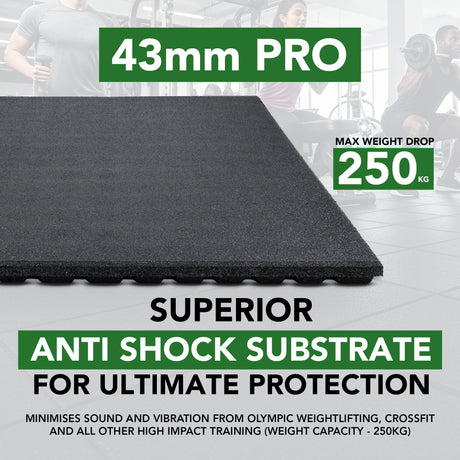
If you train at home, use a stable surface with grip. A slippery floor can throw off your starting position and reduce confidence in split squats, deadlifts, and overhead press work. If you can, train on firm rubber non slip gym matting so your feet stay planted and your dumbbells are less likely to damage the floor.
FAQs
What are the best free weight exercises?
The best free weight exercises cover squat, hinge, push, and pull patterns. Start with dumbbell squat, dumbbell deadlift, bent over row, bench press, and overhead press.
Is it possible to build muscle with free weights?
Yes. Free weights build muscle by loading movements through a full range of motion, recruiting stabiliser muscles, and allowing progressive overload through reps, tempo, and pauses.
Is 20 minutes of dumbbells enough?
It can be! If you use a full body workout with dumbbells at home, keep rest short, and train close to your challenging rep range, 20 minutes can drive muscle engagement and progress.
Should I lift weights every day?
Most people do better with 2 to 4 strength sessions per week. Daily lifting can work if you alternate muscle groups and keep some sessions lighter to protect recovery.
What should I eat when weight-lifting?
Prioritise protein across the day and include carbs around training for energy. A protein plus carb meal after lifting supports recovery and future performance.
If you're thinking of setting up a Free Weights training area, browse our premium range of rubber gym tiles for light to high impact workouts.