Olympic weightlifting is one of the fastest ways to build explosive power, sharpen coordination, and add serious strength to your squat and pull. It looks high-impact, sure, but it is also brilliantly practical. When you learn to move heavy loads quickly with proper form, everything from sprinting to jumping to everyday strength training tends to improve.
In this guide, I will break down the big 6 Olympic weightlifting exercises, show you how to perform Olympic lifts with simple, repeatable cues, and explain when to use each lift in your training sessions.
I will also cover the clean and jerk vs the snatch with clear start–pull–catch–stand phases, plus common faults to avoid.
What are the Olympic weightlifting exercises?

Strictly speaking, the Olympic Games contested lifts are the snatch and the clean and jerk. In real gyms, the phrase “Olympic weightlifting exercises” usually means those two lifts plus their most useful variations and strength builders.
That is where the big 6 lifts come in. Think of them as a practical toolkit that covers:
- pulling from the floor and the hang
- receiving in a squat position or a higher catch
- locking out overhead and standing up with control
What are the big 6 lifts?
Here are the 6 Olympic lifts most gyms mean when they say “Olympic lifts”:
Team GB notes that competitions are built around the snatch first and then the clean and jerk, with athletes getting three attempts at each lift.
- Power Snatch
- Squat Snatch (often just called “the snatch”)
- Power Clean
- Squat Clean (often just called “the clean”)
- Split Jerk
- Front Squat (the main strength builder that supports the clean)
You will also see overhead squat, high pull, and hang snatch used a lot. I will include them as accessories because they solve common technique issues fast.
Before you start: set-up basics that make every lift safer
A few non-negotiables will improve your lifts instantly:
- Foot stance: start with feet hip width (or feet slightly wider) and toes slightly out. Your jump and landing stance should feel natural.
- Brace: take a deep breath into your belly and lock in a braced trunk before you break the bar from the floor.
- Bar path: keep the bar close. If it swings forward, you will chase it and lose power.
- Finish strong: aim to reach fully extended hips, knees, and ankles on the pull without leaning back.
- Grip: use a loose grip where appropriate and keep wrists relaxed when receiving overhead or in the front rack position.
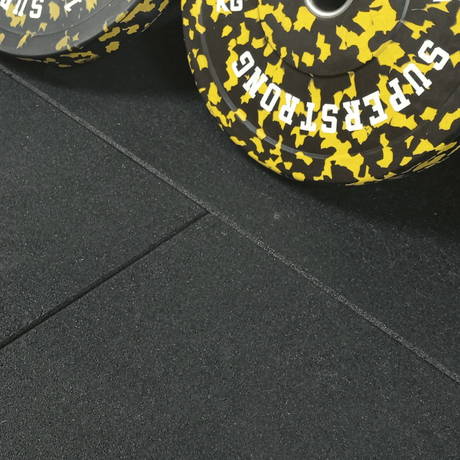
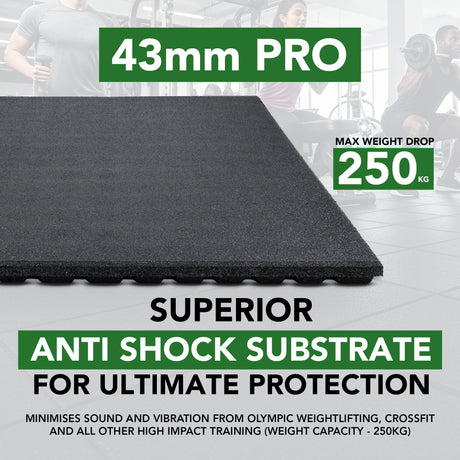
Flooring note for gym owners and home lifters: Olympic lifting involves dropping heavy weights. A stable platform with quality gym flooring reduces bounce, noise, and wear, and it makes your set-up feel consistent rep to rep.
The Big 6 Olympic Weightlifting Exercises (how to do them and when to use each)
1) Power Snatch

What it is: You pull the bar overhead and catch it above parallel, then stand tall.
Best for: learning speed, crisp turnover, and confidence overhead without the demands of a full squat.
How to do it (simple steps):
- Starting position: bar over mid-foot, chest up, shoulders slightly over the bar, arms straight, width apart stance around hip width.
- Pull: push the floor away, keep your back tight, and let the bar travel past the knees.
- Finish: explode, then punch up fast into the overhead position.
- Catch and stand: receive with straight elbows, then stand to full control.
3 cues
- “Legs first, then speed.”
- “Stay close, brush up.”
- “Punch up, lock it in.”
Common faults
- pulling with the arms early (you lose power)
- jumping forward to catch (bar drift)
- soft elbows overhead (unstable catch)
When to use it: warm-ups, technique work, or as your main lift on days you want speed over heavy loads.
2) Squat Snatch (the Snatch)

What it is: One continuous movement from floor to overhead, caught in a full squat or deep overhead squat position.
Best for: the full Olympic weightlifting skill, mobility, and coordination.
How to do it:
- Start as above, but with a wide grip.
- Pull smoothly past the knees, then accelerate hard.
- Drop under quickly into a deep overhead squat with extended arms.
- Stand up with control.
3 cues
- “Smooth off the floor, fast at the top.”
- “Snap under, do not float.”
- “Sit tall under the bar.”
Common faults
- catching too high and collapsing (missing the receiving position)
- bar too far in front (you tip forward)
- lack of shoulder stability overhead
When to use it: when you want the most technical carryover to competition lifting, or to build serious overhead skill.
3) Power Clean

What it is: Pull from the floor and catch on the shoulders above parallel.
Best for: athletes, field sports, and anyone wanting explosive power with less mobility demand than a deep squat.
How to do it:
- Set your start with a tight back and shoulders slightly over the bar.
- Drive with legs, keep the bar close, and reach full extension.
- Rotate elbows through fast to the rack position.
- Catch with a tall chest and stand.
3 cues
- “Push the floor, then jump.”
- “Fast elbows to the ceiling.”
- “Catch tall, knees out.”
Common faults
- swinging the bar out (looping)
- slow elbows so the bar crashes
- catching with a rounded upper back
When to use it: power development, conditioning blocks, and as a stepping stone before you go to heavy squat cleans.
4) Squat Clean (the Clean)

What it is: Catch in a deep front squat position, then stand.
Best for: building the clean for Olympic weightlifting and developing leg strength under load.
How to do it:
- Start tight, pull close, finish fully extended.
- Pull yourself under fast and receive in a full squat.
- Elbows high, chest proud, bar secure in the front rack position.
- Stand up smoothly.
3 cues
- “Close, then under.”
- “Elbows up, chest up.”
- “Sit between your heels.”
Common faults
- elbows drop (bar rolls forward)
- catching on the hands instead of the shoulders
- hips shooting up early off the floor
When to use it: any time clean strength and confidence in the receiving position is the goal.
5) Split Jerk

What it is: Drive the bar from shoulders to overhead, receiving in a split stance.
Best for: lifting more weight overhead than pressing, and developing rock-solid overhead stability.
How to do it:
- Start standing tall with the bar racked.
- Dip straight down with an upright posture, knees forward, torso vertical.
- Drive hard, then punch under into the split.
- Recover: front foot half step back, then back foot forward.
3 cues
- “Dip straight, then drive.”
- “Punch up, head through.”
- “Front shin vertical, back knee bent.”
Common faults
- dipping forward (bar goes forward)
- pressing out instead of dropping under
- feet landing too narrow for balance
When to use it: after cleans, or as a stand-alone skill session to improve overhead control.
6) Front Squat

What it is: The strength base for the clean and jerk.
Best for: leg strength, upright posture, and a stronger rack.
How to do it:
- Bar in the front rack, elbows high, upper back tight.
- Take a breath, brace, then slowly sit down with control.
- Hit your deepest solid position (often full squat position), then drive up to full extension.
3 cues
- “Elbows up, ribs down.”
- “Knees out, stay tall.”
- “Stand up through the mid-foot.”
Common faults
- elbows dropping at the bottom
- collapsing chest
- heels lifting (often stance or ankle mobility)
When to use it: 2 to 3 times per week in Olympic weightlifting programs, especially for beginners building capacity.
The clean and jerk vs the snatch: what’s different (and the 3 key cues for each)
Both the snatch and clean and jerk start with a pull from the floor, but they test different skills.
- Snatch: widest grip, longest range of motion, demands the most speed and overhead stability in a deep squat.
- Clean and jerk: narrower grip, heavier weights, requires a strong front squat catch plus an explosive overhead drive.
Here’s why technique matters so much: the IWF (International Weightlifting Federation) confirmed that Paris 2024 featured 120 weightlifters in total (plus two Refugee Team athletes), down from 196 at Tokyo 2020, and with only 12 lifters per category there was very little room for mistakes, especially in the snatch.

Snatch phases: start – pull – catch – stand
- Start: hips and shoulders rise together, bar close to the shins.
- Pull: smooth past the knee, then accelerate into full extension.
- Catch: fast drop under into the overhead squat, elbows locked.
- Stand: control the bar overhead and stand tall.
3 snatch cues
- “Stay over it longer.”
- “Brush, then punch.”
- “Lock and sit tall.”
Common snatch faults
- early arm pull
- bar looping away from you
- unstable overhead squat position (soft shoulders, bent elbows)
Clean and jerk phases: start – pull – catch – stand (plus jerk)
Clean
- Start: tight back, shoulders slightly over bar, weight mid-foot.
- Pull: close bar path, accelerate after the knee.
- Catch: elbows whip through into the rack, receive in a front squat.
- Stand: drive up to full extension with the bar secure.
Jerk
-
Dip and drive, then receive overhead with straight arms and a stable split.
3 clean and jerk cues
- “Leg drive, then fast elbows.”
- “Meet the bar in the front squat.”
- “Dip straight, punch under.”
Common clean and jerk faults
- catching with low elbows (bar forward)
- starfish feet or unstable split stance
- turning the jerk into a slow press (usually too deep a dip or weak timing)
Olympic weightlifting exercises for beginners (a simple progression)

If you are new, do not start with heavy weights. Start with positions.
My beginner order:
- PVC pipe drills for the snatch and front rack
- Hang snatch and power clean (from mid-thigh)
- Add overhead squat and front squat for strength and mobility
- Move to floor lifts once bar path is consistent
- Introduce split jerk with light loads and perfect footwork
Two focused training sessions per week beats five messy ones.
Olympic weightlifting exercises at home (yes, you can still practise)
If you have limited kit, you can still train the patterns:
- PVC pipe or empty bar technique for start and catch positions
- dumbbell power snatch and dumbbell clean and jerk (great for coordination)
- front squats from the floor if you cannot rack safely, or heavy goblet squats
- pull ups to build upper body strength and back muscles
- hinge work for the posterior chain
Home tip: protect your floor and your equipment. A stable lifting area matters even more at home because surfaces are often slick or uneven. Use a platform or extra thick gym matting for floor protection and to give complete comfort and precision underfoot.
How Olympic weightlifting translates to the real world

Olympic weightlifting is not just about hitting big numbers on a platform. The reason these compound lifts show up in so many strength training and athletic programmes is simple: they teach you to produce force quickly, stay organised under heavy loads, and hold strong positions when you are tired.
In the real world, that shows up as:
- More explosive power for sprinting, jumping, tackling, and quick changes of direction.
- Better posture under load because you learn to keep an upright posture and a braced trunk while moving.
- Stronger legs and hips from living in the squat, whether you are in a full squat position, partial quarter squat, or driving out of the front squat.
- More resilient shoulders and upper body control from repeated overhead position work and stable receiving position practice.
- Muscle mass that is functional: snatches, clean and jerk variations, front squats, high pulls, and pull ups hit multiple muscle groups at once, which supports building muscle mass without wasting training sessions.
There is also a mental edge. The lifts reward calm set-ups, commitment, and clean execution. As Olympic medallist Hampton Morris put it:
“There’s no room for doubt in this sport. Just know you can make it and execute.”
Practical takeaway: if your goal is to gain muscle mass and move better, keep the Olympic lifts technical and fast, then use front squat, back squat, and pulls for your heavy loads.
A quick “Olympic weightlifting exercises PDF” style checklist (copy and save)
Use this as a printable session reminder:
- Feet hip width in the start, land where you are strongest
- Brace trunk before every rep
- Bar stays close, do not chase it
- Finish fully extended, then move under
- Catch positions: stable rack, stable overhead, then stand
FAQ
What are the Olympic weightlifting exercises?
In competition, Olympic weightlifting has two lifts: the snatch and the clean and jerk. In training, most people also use variations like power snatch, power clean, split jerk, and front squat as key exercises.
What are the big 6 lifts?
A practical “big 6” for Olympic lifting training is: power snatch, squat snatch, power clean, squat clean, split jerk, and front squat. Together they cover speed, catching skill, and strength.
What is the 2 2 2 rule in weightlifting?
You will hear a few versions. The most useful is a progression trigger: if you can hit your target reps and still manage 2 extra reps on your last set for 2 sessions in a row, add a little weight next time. It keeps progress steady without rushing heavier loads.
What kills muscle gains the most?
Inconsistent training and poor recovery are the big ones. Miss too many sessions, sleep too little, or under-eat protein and your body struggles to build muscle mass, even if your exercise selection is perfect.
What muscle is hardest to grow?
For many lifters, calves and upper back feel stubborn. The fix is usually boring but effective: train them directly, use full ranges of motion, and progress patiently with more load or more total quality reps over time.
Considering an olympic weightlifting set-up of your own? Explore heavy duty gym mats that reduce noise plus competition level kit for inspiration.