Weightlifting plates can make or break your training setup. Choose well and your lifts feel smooth, your floor stays protected, and progression becomes almost automatic. Choose badly and you end up with wobbly loads, noisy drops, chewed-up sleeves, and a training space that never quite feels “right”.
I’ve helped plenty of people set up a home gym on a realistic budget, and the pattern is always the same: plates are not just “extra weight”. They are the interface between your barbell, your lifts, and your gym flooring.
Let’s make sure you buy the right weight plates for how you actually train.
What are weightlifting plates (and why the type matters)?

At the simplest level, weight plates are discs you load onto a barbell (or sometimes dumbbell handles) to create resistance for strength training. But different plates are designed for different goals:
- Olympic weight plates (2 inch) are built for Olympic bars and most modern home gym setups.
- Standard weight plates (often 1 inch) suit standard barbells and some budget sets.
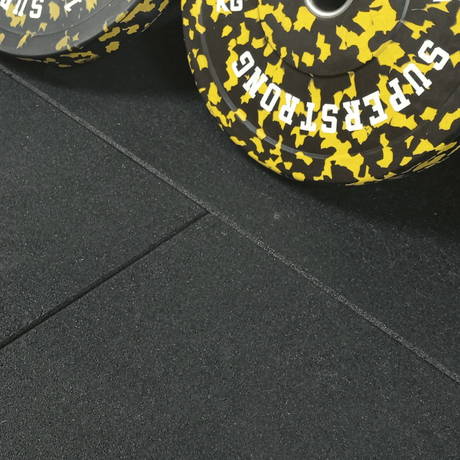
- Bumper plates are rubber plates designed to absorb impact and protect your training space when the bar is set down hard or dropped.
- Cast iron plates (and other iron plates) are compact and cost effective, but can be louder and harsher on flooring.
Your “best” option depends on your barbell, your gym space, and the kind of lifting you do: squats, deadlifts, bench presses, Olympic lifts, functional training, or a mix.
Olympic vs standard: get the hole size right first
Before you look at rubber coating, tri grip handles, or bargain “weightlifting plates for sale” deals, check compatibility (British Weightlifting).
Olympic bars and Olympic weight plates

Most Olympic bars have sleeves designed for 45-50 mm plates (often called 2 inch). Olympic weight plates slide on smoothly, especially when they have a solid steel or stainless insert. This matters when you’re doing lots of plate changes in intense workouts. Always check the hole diameter size.
Best for: most home gym owners, serious lifters, anyone using an Olympic barbell, and anyone planning to expand their kit over time.
Standard barbells and standard weight plates
Standard barbells usually take 1 inch plates (roughly 25 mm). These can be great for lighter barbell training, small gym space setups, or adjustable dumbbells. Just remember: a 1 inch Weight Plates 20kg set exists, but it’s less common, and sleeve loading space can be a limiting factor as you chase more weight.
Best for: beginners on a tight budget, compact home gyms, and lighter free weights routines.
Quick rule: match the diameter hole on the plates to the bar sleeves. If you get this wrong, nothing else matters.
Bumper plates vs cast iron plates: which should you buy?

Bumper plates (rubber bumper plates)
Bumper plates are made from rubber, often high density rubber, and are designed to absorb impact. That’s why they’re popular for Olympic lifting and functional training. The outer diameter is usually consistent across heavier sizes, which keeps the bar starting height consistent for deadlifts and Olympic lifts.
Why people love them:
- Better for noise reduction and to reduce noise in shared spaces
- Help protect your gym flooring and equipment
- Often offer low bounce, especially in competition bumper plates
- Great for home gym setups where you care about flooring and neighbours!
Things to watch:
- They are thicker, so you may not fit as much load on the bar as iron plates
- Price can be higher at regular price, though deals do come up
Crumb rubber plates are another option. They tend to be tough, can reduce noise well, and feel great in a garage gym. They can have a slightly different feel and bounce compared to premium competition plates, so think about what you need.
Cast iron plates (and other iron plates)
Cast iron plates and cast iron weights are classic, old school, and usually the most cost effective way to build a heavy set quickly. They’re slimmer, so you can load more weight. They’re also great for power racks and general gym equipment setups.
Why people love them:
- Compact, so you can load more weight on the bar
- Often cheaper per kilo
- Durable and simple
Things to watch:
- Louder on impact
- Harder on flooring without proper protection
- Can be less comfortable for frequent plate changes unless you choose a tri grip style
Tri grip plates and “studio weight plates”
Tri grip plates have built-in handles. They’re brilliant for quick loading, carrying plates around your training space, and even using as free weights for accessory work. Studio weight plates are often designed with easy handling in mind too.
If your sessions include supersets, fast plate changes, and moving around a home gym, tri grip can be the perfect combination of practicality and performance.
How to build your target weight: plate sizes, microloading, and real examples
This is the section that saves people money. If you buy random plates, you end up with gaps you cannot fill. Instead, build your set around common plate sizes and the way you actually load a bar.
Common plate sizes (what you will see most)

Quick note: this infographic uses official IWF colour coding and includes one pounds example. In this guide, I stick to kilograms for plate maths and home gym buying decisions, and I always count the bar (and collars if you use them!).
For Olympic weight plates and bumper plates, the most common sizes are:
-
25 kg, 20 kg, 15 kg, 10 kg, 5 kg
Plus smaller change plates like 2.5 kg, 2 kg, 1.5 kg, 1 kg, 0.5 kg.
For standard weight plates, you’ll commonly see smaller jumps, but the logic is the same.
Useful tip: when people ask “Is a plate 20 or 25kg?”, they’re usually mixing up the most common heavy plates. In many gyms, 20 kg and 25 kg are the workhorses for building serious loads.
The “pair maths” that makes loading easy recognition
Remember: plates go on both sides. So a “20 kg plate” usually means 20 kg each, or 40 kg total when you add the pair.
That’s why having pairs is key for balance, technique, and safe lifting.
When to microload (fractional plates and change plates)

Microloading is adding very small increments using fractional plates or change plates. It sounds nerdy, but it’s a game-changer for building muscle and strength once beginner jumps stop working.
When it comes to long-term progress, build momentum rather than rush the numbers. Jim Wendler sums it up perfectly:
"Always start too light"
Microload when:
- You can hit your reps, but adding 2.5 kg per side is too big a jump
- You’re plateauing on bench presses, overhead press, or strict accessory work
- You want consistent progress without grinding ugly reps
A practical microloading set might include 0.5 kg, 1 kg, and 1.5 kg plates. These are also called technique-friendly change plates because they help you keep form tight.
Examples: building 40 kg, 60 kg, and 8 kg targets
Let’s assume a standard Olympic barbell is already in your hands. You then “build” the target load by adding plates.
Example 1: Build 40 kg total on the bar (plates only)
- 2 x 20 kg plates = 40 kg of plates
This is the simplest route and why Weight Plates 20kg are so popular.
Example 2: Build 60 kg total on the bar (plates only)
- 2 x 25 kg plates (50 kg) + 2 x 5 kg plates (10 kg) = 60 kg
This is a classic reason people buy Weight Plates 25kg early.
Example 3: Build 8 kg total on the bar (plates only)
- 2 x 2.5 kg plates (5 kg) + 2 x 1.5 kg plates (3 kg) = 8 kg
Great for technique work, warm-ups, rehab, or when you’re focusing on perfect movement.
If you meant 80 kg (a super common milestone!), here’s an easy build:
- 2 x 25 kg (50) + 2 x 15 kg (30) = 80 kg
Or 2 x 20 kg + 2 x 20 kg = 80 kg if you have doubles.
My “smart starter set” for most home gyms
If you want versatility without overbuying, aim for:
- 2 x 20 kg
- 2 x 15 kg
- 2 x 10 kg
- 2 x 5 kg
- 2 x 2.5 kg
- A small fractional plates set (0.5 kg to 2 kg)
This range suits strength training, progressive overload, and most exercises in a home gym.
Choosing plates based on your training style

If you do Olympic weightlifting or frequent drops
Go for rubber bumper plates or competition bumper plates. Look for:
- High density rubber
- Solid steel inserts
- Low bounce
- Durable construction
This helps protect your gym flooring and absorb impact.
If you focus on powerlifting or heavy barbell work
Cast iron plates or rubber-coated iron plates can be brilliant. For deadlifts, squats, and bench presses, you’ll appreciate the slimmer profile when you load heavy. Combine with good flooring and you’re sorted.
If you train in a flat, shared, or noise-sensitive space
Prioritise rubber plates, crumb rubber plates, and black rubber bumper plates. Noise reduction matters more than you think, especially during early-morning training!
Buying checklist: what to look for (and what to avoid)
- Fit and finish: plates are designed to slide on smoothly. A good insert helps protect sleeves.
- Durability: cheap rubber can crack; cheap cast iron can chip. Buy durable plates where it counts.
- Consistency: mixed sets are fine, but keep the main pairs consistent for stable lifting.
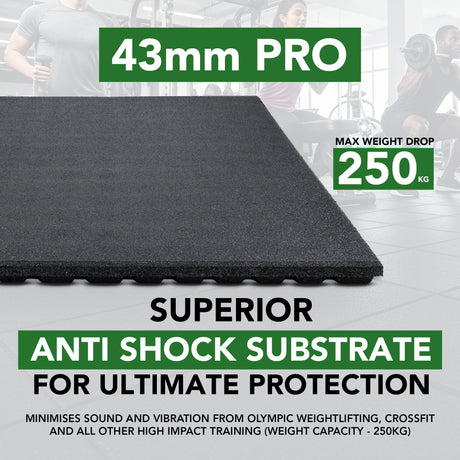
- Floor protection: if you do heavy lifting, protect your flooring with proper shock absorbent gym mats or a platform.
- Budget planning: don’t just chase “weightlifting plates for sale”. Compare value, range, and what you will need next month.
FAQ: Weightlifting Plates
Is a plate 20 or 25kg?
Both exist and both are common. In many gyms, 20 kg and 25 kg plates are the main “big plates”. The right choice depends on your current strength and how you like to progress.
Are 20kg plates good for beginners?
They can be, but only if your lifts and technique are ready. Beginners often progress faster using smaller plates first, then adding 20 kg plates once their squat, deadlift, and press patterns are solid.
Can I use 20kg plates with any barbell?
Not always. Check the centre hole size. Olympic weight plates fit Olympic bars (2 inch, 50 mm). Standard weight plates fit 1 inch standard barbells. Matching matters.
How heavy is a 25 kg plate?
A 25 kg plate weighs 25 kg for a single plate. Loaded as a pair, that’s 50 kg added to the bar, before you even count the bar itself.
Is it okay to lift heavy without a belt?
Yes, many lifters train beltless. A belt is a tool, not a requirement. I like to build strong bracing first, then use a belt for top sets or personal bests when it helps performance and confidence.
Looking to create your own weightlifting set-up? Explore our home gym flooring solutions to get started.