The 10-second answer
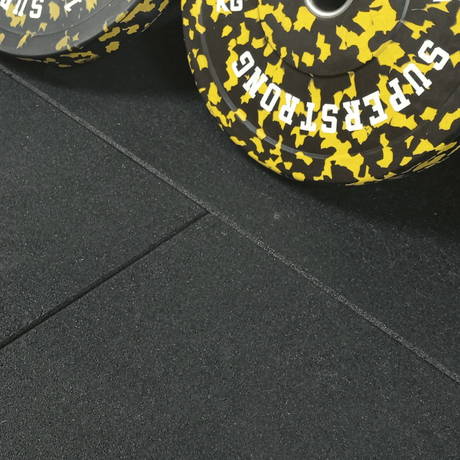
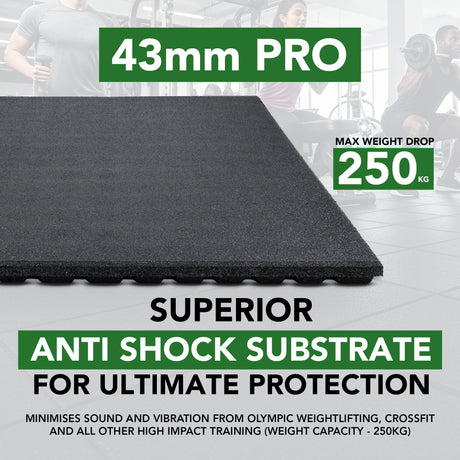
Choose rubber tiles if you want easier DIY installation, better impact protection, and the ability to replace individual sections. Choose rubber rolls if you are covering a large open gym, cardio zone or studio and want a cleaner, more seamless finish. Rubber tiles are shock-absorbent and DIY-friendly, while rubber rolls are well suited to cardio zones, fitness studios, high-traffic spaces and larger open areas.
Quick comparison
| Feature | Rubber tiles | Rubber rolls |
|---|---|---|
| Best for | Home gyms, free weights, PT studios, lifting zones | Cardio zones, studios, large open spaces |
| Installation | Easier DIY, especially interlocking tiles | Usually needs more cutting and planning |
| Finish | Visible tile joins | More seamless appearance |
| Repairs | Replace one tile if damaged | Harder to patch cleanly |
| Impact protection | Better in thicker formats | Better for lighter impact and equipment areas |
| Movement risk | Low if fitted correctly | Low when fitted correctly, but edges/seams matter |
| Best buyer | Home gym owner, PT, strength gym | Commercial gym, studio, cardio area |
When rubber tiles are the right choice

Rubber tiles are usually the safer recommendation when lifting weights, fitting out a garage gym, or creating a dedicated free-weights zone. They are easier to handle, easier to cut around awkward spaces, and more forgiving if you get the layout slightly wrong.
They also make maintenance simpler. If one section gets damaged, stained or worn, you can replace a tile rather than lifting a whole roll.
When rubber rolls are the right choice

Rubber rolls work best where the space is large, open and relatively uniform. They create fewer visible joins and can make a commercial gym, cardio studio or fitness studio look more continuous.
They are a good fit for treadmills, bikes, rowers, functional training, spin studios and high-traffic walkway, cardio zones, heavy equipment areas, larger spaces and busy foot traffic.
The main caveat is impact. Rolls tend to be thinner than heavy-duty tiles, so they are not the first choice for repeated heavy drops, Olympic lifting or serious free-weight areas. For those zones, thicker tiles are usually the better answer.
Decision shortcuts
| Use case | Best choice |
|---|---|
| Garage gym with dumbbells and rack | Rubber tiles |
| Commercial cardio area | Rubber rolls |
| PT studio with mixed training | Rubber tiles, or rolls with thicker tiles in lifting areas |
| Large open-plan fitness studio | Rubber rolls |
| Deadlift or Olympic lifting zone | Thick rubber tiles |
| Customer wants the easiest DIY option | Interlocking rubber tiles |
| Customer wants a seamless commercial look | Rubber rolls |
Common questions
Are rubber tiles better than rolls?
Not always. Tiles are better for impact, repairs and DIY installation. Rolls are better for large, open areas where a seamless finish matters.
Are rubber rolls cheaper than tiles?
Often, rolls can be more cost-effective over large spaces, especially where the shape is simple and there is minimal cutting. Tiles can cost more per square metre but may reduce waste in awkward rooms.
Can I use rubber rolls for free weights?
Yes for lighter free weights and general strength equipment, but heavy drops need thicker rubber tiles.
Can I mix tiles and rolls in one gym?
Yes. A common layout is rubber rolls for cardio and general training, with thicker rubber tiles under racks, free weights and lifting platforms.

![20mm Java Black Rubber Gym Flooring Tiles with Recycled Coffee Grounds [Pre-Order] GYM FLOORING Sprung Gym Flooring](http://www.gym-flooring.com/cdn/shop/files/Title_2.png?v=1773994895&width=460)