At a Glance
- The best gym flooring for underfloor heating balances heat transfer with durability, grip, shock absorption and subfloor protection.
- High-density rubber tiles and rubber rolls can be suitable, provided the flooring and heating system are approved for use together.
- Thinner flooring transfers heat more efficiently, while thicker tiles provide greater protection from weights and high-impact training.
- Most general home gyms suit 10mm to 20mm rubber flooring, but heavy lifting zones may require 30mm or thicker tiles.
- Luxury finishes, including beige gym flooring and wood effect gym flooring, can create a warmer, more refined home gym without sacrificing performance.
- Always check the maximum floor temperature, subfloor preparation and installation requirements before fitting gym flooring over underfloor heating.
Underfloor heating does not mean you have to compromise on gym flooring. The right surface can protect the floor, support gym equipment and remain comfortable underfoot while allowing heat to move into the room.
For most heated home gyms, high-density rubber flooring is the best all-round solution. It is durable, slip resistant, low maintenance and capable of reducing noise and impact. However, thickness matters. A 10mm or 15mm rubber tile will usually allow better heat transfer than a 30mm or 40mm tile, but it will not provide the same protection for heavy weights.
For cardio machines, floor exercises and controlled dumbbell training, thinner rubber gym flooring may be sufficient. A mixed home gym will often benefit from 15mm to 20mm tiles. Heavy lifting areas may need thicker protection, even if this slightly reduces heating efficiency.
The aim is not simply to find flooring that feels warm. You need a surface that works safely with the heating system, supports your training and protects the concrete subfloor or heated screed beneath it.
What Is the Best Gym Flooring for Underfloor Heating?

The best gym flooring for underfloor heating is usually a dense, stable surface with a relatively low level of thermal insulation.
Suitable options may include:
- High-density rubber gym tiles
- Premium rubber gym flooring
- Rubber flooring rolls
- Luxury vinyl flooring designed for underfloor heating
- Wood effect gym flooring with a compatible construction
- Zoned flooring that combines decorative surfaces with impact-resistant lifting areas
Rubber is popular because it combines durability, shock absorption, grip and noise reduction. It can support cardio machines, benches, racks and free weights without creating an excessively soft or unstable surface.
Explore our home gym flooring range for tiles, rolls and decorative finishes suitable for different training styles.
No flooring material should be assumed to be compatible simply because it is made from rubber, vinyl or laminate. Check the individual product specification and the requirements of the underfloor heating system before installation.
How Underfloor Heating Affects Gym Flooring
Underfloor heating systems warm the room by transferring heat through the subfloor and finished floor covering. Any additional layer placed on top creates some thermal resistance.
A thin, dense rubber tile generally allows heat to pass through more easily than a very thick, soft mat. Likewise, a floor completely covered with 40mm shock-absorbing tiles will normally retain more heat below the surface than one covered with an 8mm rubber roll.
This does not automatically make thick flooring unsuitable. It means the heating system may take longer to warm the room or require more energy to maintain the desired temperature.
The complete build-up must be considered:
- Heating system
- Screed, concrete or timber subfloor
- Moisture barrier or underlay, where required
- Adhesive, if used
- Gym flooring
- Gym equipment and rubber mats placed above it
Adding several insulating layers can reduce efficiency. Avoid installing unnecessary underlay beneath thick rubber unless it is required for acoustic performance, moisture control or subfloor preparation.
Which Type of Underfloor Heating Do You Have?

Water-Based Underfloor Heating
Water-based systems circulate warm water through pipes beneath the floor. They are commonly installed within screed and often provide consistent, gradual heat.
The screed must be fully cured and the heating system commissioned correctly before gym flooring is installed. Heated screeds are exposed to thermal cycling as the temperature rises and falls, so the surface must be stable, dry and free from movement.
Electric Underfloor Heating
Electric systems use cables or heating mats beneath the floor covering. These systems can warm up more quickly, making temperature control particularly important.
Avoid placing flooring directly over heating elements unless the complete system has been designed for that installation method. A suitable levelling compound or protective layer may be required.
Is Rubber Gym Flooring Suitable for Underfloor Heating?
Rubber gym flooring can be suitable for underfloor heating when the product manufacturer approves the combination.
Its main benefits include:
- Strong durability under gym equipment
- Reliable grip for exercises and machines
- Shock absorption for weights and high-impact training
- Reduced noise and vibration
- Protection for the heated floor and subfloor
- Low-maintenance cleaning
- A wide choice of thicknesses, colours and finishes
Rubber also feels less cold than bare concrete, even when the heating is switched off. Once the system is running, it can create a comfortable training surface for floor exercises, stretching and mobility work.
The trade-off is insulation. Rubber is not the most thermally conductive floor covering, and thick rubber gym mats can slow heat transfer. Select the right thickness rather than automatically choosing the thickest product available.
Browse our rubber gym mats and gym floor tiles to compare formats and thickness options.
What Thickness Gym Flooring Should You Choose?
The right thickness depends on your training, equipment weight, subfloor and heating priorities.
| Gym use | Suggested flooring | Key consideration |
|---|---|---|
| Yoga, Pilates and floor exercises | 6mm to 10mm rubber | Good heat transfer and firm comfort |
| Cardio machines and bodyweight training | 8mm to 15mm rubber | Protects against equipment movement and wear |
| Light to moderate dumbbells | 15mm to 20mm tiles | Balances impact protection and warmth |
| Mixed home gym | 20mm rubber tiles | Strong all-round performance |
| Heavy free weights | 20mm to 30mm tiles | Greater subfloor protection |
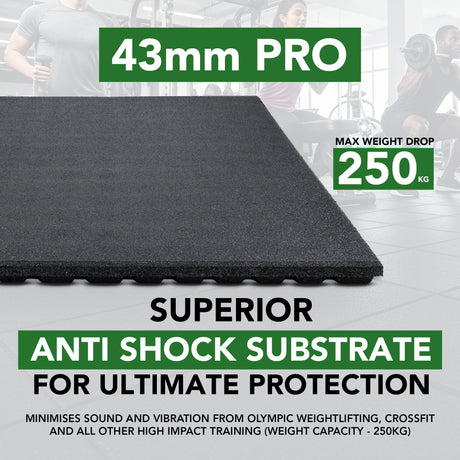
| Deadlifts and repeated weight drops | 30mm to 63mm impact tiles | Prioritises shock absorption over heat efficiency |
A 20mm rubber tile is a practical choice for many home gyms. It supports benches, racks, cardio machines, kettlebells and moderate free-weight training while remaining manageable for DIY installation.
For heavy lifting, the floor must withstand concentrated loads and repeated impacts. Consider creating a dedicated lifting zone rather than covering the entire room with very thick tiles. This protects the high-risk area while allowing better heat transfer elsewhere.
Explore heavy-duty lifting flooring for areas exposed to barbells, weight plates and repeated impact.

Creating Different Flooring Zones

Zoning is often the most effective solution for a heated home gym.
For example, you could install:
- 8mm to 15mm flooring beneath cardio machines
- 15mm to 20mm tiles in the main training area
- 30mm or thicker protection beneath a rack or lifting platform
- A decorative wood effect surface in a reception, stretching or wellness zone
- Engineered wood or approved LVT in circulation areas
- Sprung wood sports or vinyl sports flooring with a suitable underlay
This gives you the protection you need without unnecessarily insulating the entire heated floor.
A dedicated lifting platform can also spread impact and reduce the risk of damage to heated screeds. The platform should be positioned carefully so that fixings do not penetrate pipes or electrical heating elements.
Luxury, Beige and Wood Effect Gym Flooring
A home gym no longer has to look industrial.
Beige gym flooring, marble-effect tiles and neutral fleck finishes can complement modern interiors while retaining the practical benefits of rubber. These finishes work particularly well in spare rooms, garden rooms, wellness spaces and luxury gym conversions.

Wood effect gym flooring is another popular choice. It provides a warmer, residential appearance and can work well in low-impact fitness areas, yoga studios and cardio zones.
For a premium finish, consider designer gym flooring with concealed connectors and more refined colours. Always confirm the specific product’s compatibility with heated floors before ordering.
Installation Over a Heated Concrete Subfloor
The quality of the installation affects both flooring performance and heating efficiency.
Prepare the Subfloor
The concrete or screed should be:
- Flat and structurally sound
- Clean and free from dust
- Fully dry
- Free from oil, grease and loose material
- Properly commissioned if it contains heating pipes or cables
Small cracks, holes or uneven areas may need to be filled. Rubber tiles can disguise minor surface imperfections, but they should not be used to correct major subfloor problems.
Acclimatise the Flooring
Allow the rubber flooring to acclimatise in the room before fitting. This helps the material adjust to the temperature and reduces the risk of movement after installation.
Increase the Heat Gradually
Do not switch the heating immediately to its highest setting after installation. Follow the flooring and heating manufacturers’ guidance, allowing the temperature to increase gradually.
Choose the Correct Installation Method
Loose-laid tiles are useful for home gyms because individual sections can be lifted or replaced. Interlocking tiles provide additional stability without requiring a fully bonded installation.
Rubber rolls create fewer joints and a sleek finish, but they may require adhesive in larger or commercial spaces. Only use adhesives approved for heated floors.
For higher-traffic facilities, explore commercial gym flooring designed for demanding equipment and regular use.
What Are the Downsides?
The main downside of combining gym flooring with underfloor heating is reduced heat transfer.
Other considerations include:
- Thick rubber may increase warm-up time
- Some adhesives are unsuitable for heated screeds
- Excessive temperatures may affect certain flooring materials
- Heavy equipment can restrict heat movement in covered areas
- Heating pipes or cables make drilling into the floor risky
- Soft mats can trap heat when placed over an existing floor covering
Heavy machines should be positioned carefully, particularly where they create concentrated loads. Use suitable flooring to spread the load, but avoid adding multiple unnecessary mats beneath equipment.
Related Gym Flooring Guides
For more help planning your training room, read:
- How to build a home gym
- How to turn a garage into a home gym
- How to protect floors from heavy weights
- How to build a DIY deadlift platform
- How to reduce gym noise in flats and apartments
Frequently Asked Questions
What flooring works best with underfloor heating?
Thin, dense and dimensionally stable flooring generally transfers heat most efficiently. For a gym, high-density rubber tiles or rolls offer a practical balance of heat transfer, grip, durability and floor protection.
What thickness gym flooring is best for a home gym?
For general home gym use, 15mm to 20mm rubber flooring is a strong all-round choice. Light cardio and floor exercises may only need 6mm to 15mm, while heavy weights may require 20mm to 40mm or more.
Does the floor get hot with underfloor heating?
A correctly controlled system should make the floor comfortably warm rather than excessively hot. The surface temperature will depend on the system, flooring thickness and thermostat settings.
What is the downside of underfloor heating?
Underfloor heating can warm up more slowly than radiators, particularly beneath thick or insulating flooring. Installation and repairs may also be more complex, and not every floor covering is suitable.
Does underfloor heating damage laminate flooring?
It can damage unsuitable laminate if temperatures are too high, moisture levels are incorrect or the flooring is installed without the necessary expansion allowance. Use laminate specifically approved for heated floors.
Can I place rubber gym mats over a heated laminate floor?
You can place suitable rubber mats over laminate, but thick mats may trap heat and create uneven temperatures. Check both manufacturers’ guidance and avoid covering more of the floor than necessary.
Can heavy gym equipment damage underfloor heating?
Properly installed heating systems are protected within the floor build-up, but heavy equipment can place significant loads on the finished surface. Use suitable flooring to distribute weight and never drill into a heated floor without locating pipes or cables.
Can I install gym flooring in a heated garage?
Yes, provided the garage is dry, the heating system and flooring are compatible, and the concrete subfloor is properly prepared. Browse our garage gym flooring for surfaces designed for concrete floors, weights and gym machines.
Key Takeaways
- Rubber is one of the best gym flooring options for combining durability, grip, noise reduction and shock absorption.
- Thinner flooring improves heat transfer, while thicker tiles provide more protection from weights and impact.
- Most mixed home gyms suit 15mm to 20mm rubber flooring.
- Heavy lifting zones may need 30mm or thicker tiles, even if they take longer to warm.
- Zoning allows you to combine efficient heating with high-impact floor protection.
- Always confirm compatibility with the flooring supplier and underfloor heating installer before fitting.
Ready to plan your space? Compare rubber gym flooring, or explore specialist options for your equipment and training style.

![20mm Java Black Rubber Gym Flooring Tiles with Recycled Coffee Grounds [Pre-Order] GYM FLOORING Sprung Gym Flooring](http://www.gym-flooring.com/cdn/shop/files/Title_2.png?v=1773994895&width=460)