
 Sale
Sale-
![Sprung Fleckz Gym Rubber Matting Roll - Various Colours | Thicknesses - 1.25m Width]()
![Sprung Fleckz Gym Rubber Matting Roll - Various Colours | Thicknesses - 1.25m Width]()
![Sprung Fleckz Gym Rubber Matting Roll - Various Colours | Thicknesses - 1.25m Width GYM FLOORING Sprung Gym Flooring 6mm Yellow]()
![Sprung Fleckz Gym Rubber Matting Roll - Various Colours | Thicknesses - 1.25m Width GYM FLOORING Sprung Gym Flooring 6mm Green]()
![Sprung Fleckz Gym Rubber Matting Roll - Various Colours | Thicknesses - 1.25m Width GYM FLOORING Sprung Gym Flooring 6mm Blue]()
![Sprung Fleckz Gym Rubber Matting Roll - Various Colours | Thicknesses - 1.25m Width GYM FLOORING Sprung Gym Flooring 6mm Blue]()
![Sprung Fleckz Gym Rubber Matting Roll - Various Colours | Thicknesses - 1.25m Width]()
![Sprung Fleckz Gym Rubber Matting Roll - Various Colours | Thicknesses - 1.25m Width GYM FLOORING Sprung Gym Flooring 8mm Blue]()
![Sprung Fleckz Gym Rubber Matting Roll - Various Colours | Thicknesses - 1.25m Width GYM FLOORING Sprung Gym Flooring 6mm Blue]()
![Sprung Fleckz Gym Rubber Matting Roll - Various Colours | Thicknesses - 1.25m Width]()
![Sprung Fleckz Gym Rubber Matting Roll - Various Colours | Thicknesses - 1.25m Width GYM FLOORING Sprung Gym Flooring 8mm Blue]()
![Sprung Fleckz Gym Rubber Matting Roll - Various Colours | Thicknesses - 1.25m Width GYM FLOORING Sprung Gym Flooring 6mm Blue]() Sale
SaleSprung Fleckz Gym Rubber Matting Roll - Various Colours | Thicknesses - 1.25m Width
From £628.54£740.67Unit price /Unavailable -
![Safety Rubber Roll GYM FLOORING SuperStrong Fitness 8mm]()
![Safety Rubber Roll GYM FLOORING SuperStrong Fitness 8mm]() Sale
Sale -
![Rubber Flooring Roll 10mm - 2 Colours | Winter Sports Collection GYM FLOORING Gym Flooring Ice Noir]()
![Rubber Flooring Roll 10mm - 2 Colours | Winter Sports Collection GYM FLOORING Gym Flooring Ice Blizzard]() Sale
Sale


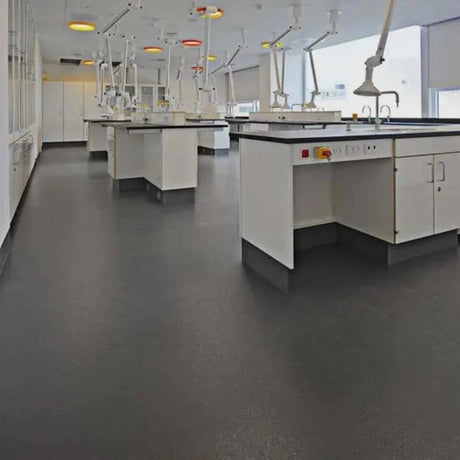
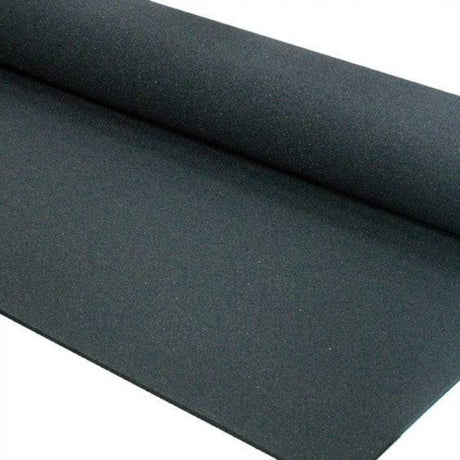
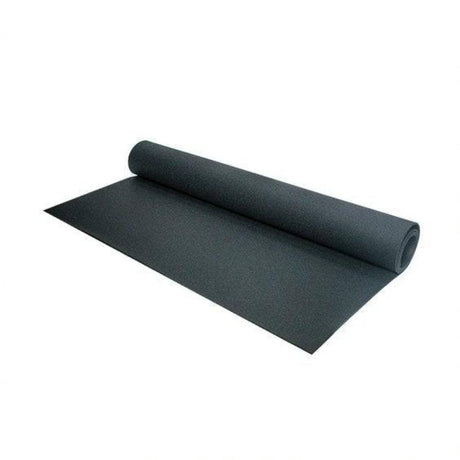
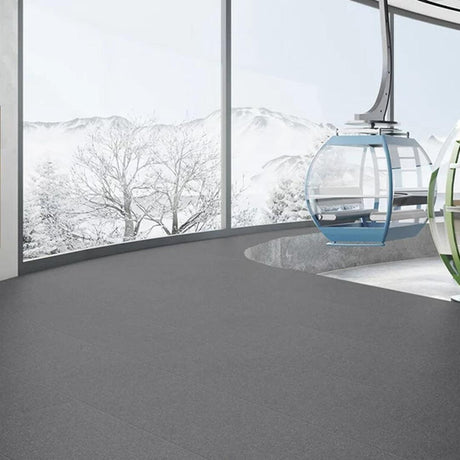
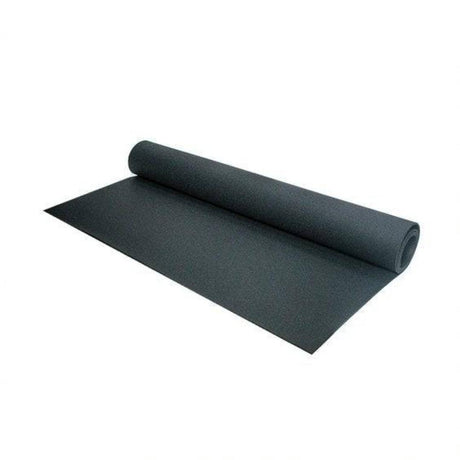
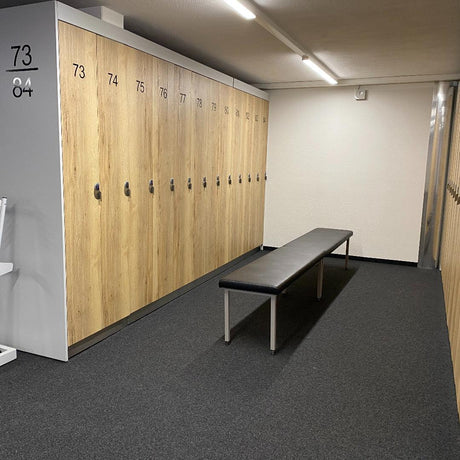
Rubber matting rolls — also called rubber gym flooring rolls or roll mats — are a practical choice when you want to cover a larger training space with a clean, professional and seamless-looking surface. They are ideal for cardio areas, machine zones, studio spaces, PT rooms, home gyms and commercial facilities where the floor needs to be durable, easy to maintain and comfortable underfoot.
Unlike individual tiles, rubber rolls create fewer visible joins, which makes them a smart option for wide, open spaces or rooms with lots of foot traffic. They are especially useful under treadmills, exercise bikes, rowing machines, benches, functional training equipment and general gym kit.
Rubber matting rolls are sold by length from wide-format rolls, so you measure the room, order the length you need, and trim the final edges on site with a sharp knife. This cut-to-length format is what makes matting rolls the quickest way to floor a large, simple-shaped room.
If your space is mainly used for cardio, machines, stretching, fitness classes or light to medium free weight training, rolled rubber flooring can be a cost-effective and low-maintenance solution. For heavy barbell drops, repeated deadlifts or Olympic lifting areas, you may be better pairing rubber rolls with thicker lifting mats or choosing heavy duty gym flooring for the main impact zones.
Why Rubber Flooring Rolls?
Rubber flooring rolls are designed to give gyms, studios and fitness spaces a continuous protective layer without needing to install lots of individual mats. This makes them particularly useful when you want a smart, uniform finish across a large floor area.
They are also a good option when the room has a simple shape, such as a garage, spare room, studio, commercial gym zone or open training space. Once rolled out and cut to fit, the flooring helps protect the subfloor from scuffs, dents, sweat, equipment marks and daily wear.
Rubber is naturally resilient, which means it gives a firmer feel than foam but more comfort than bare concrete, timber or hard vinyl. This makes it suitable for busy training environments where people are walking, warming up, stretching, lifting light weights or using machines throughout the day.
For anyone comparing rolls with rubber gym tiles, the main difference is the finish and the impact level. Rolls are excellent for larger areas and smoother coverage. Tiles are often better for heavier lifting zones, easier replacement of individual sections and thicker impact protection.
When to Use Rubber Gym Flooring Rolls
Rubber gym flooring rolls work best in spaces where you want broad coverage, reliable grip and a neat finish with minimal joins. They are especially useful in:
- Cardio areas with treadmills, bikes, rowers and cross trainers
- Commercial machine zones
- PT studios and personal training spaces
- Group fitness studios
- Home gyms and spare room gyms
- Garage gyms used for general training
- Warm-up, mobility and stretching areas
- Walkways, reception areas and high-traffic zones
- Light to medium dumbbell areas
- Basement gyms and converted rooms
They are also a strong choice for commercial gym flooring where the space needs to look professional, cope with regular use and remain easy to clean.
Rubber rolls may not be the best standalone option for areas where weights are repeatedly dropped from height. In those cases, use thicker tiles, lifting platforms or dedicated free weights flooring to improve impact absorption and subfloor protection.
What Thickness of Rubber Matting Roll Do I Need?
Choosing the right thickness depends on how the space will be used. Thicker is not always necessary, but it does usually provide more comfort, durability and protection.
A 4mm rubber roll is best suited to lighter-use areas, walkways, cardio machines and general floor protection. It gives a neat rubber surface but is not intended for heavy lifting or high-impact training.
A 6mm rubber roll is a popular choice for home gyms, studio areas, cardio zones and spaces with lighter equipment. It offers a good balance between comfort, cost and floor protection.
An 8mm rubber roll gives a little more cushioning and durability, making it useful for busier home gyms, PT studios and mixed-use fitness rooms where the floor sees more regular use.
A 10mm rubber roll is better for commercial areas, heavier machines, higher footfall and general strength training zones where extra comfort and protection are useful. It is still not a replacement for thick impact tiles in heavy drop zones, but it is a stronger option for mixed gym use.
For a typical home gym flooring setup with cardio kit, dumbbells, a bench and general training, 6mm to 8mm is often enough. For a garage gym, commercial studio or heavier equipment area, 8mm to 10mm is usually the better choice.
Rubber Rolls vs Rubber Gym Tiles
Rubber rolls and rubber tiles can both work well in gyms, but they suit slightly different spaces.
Rubber rolls are best when you want a smoother, more continuous finish across a large area. They are ideal for cardio zones, studios, open-plan gyms and rooms where you want fewer joins. They can also be a cost-effective way to cover bigger spaces quickly.
Rubber tiles are better when you need extra thickness, stronger impact protection or easier replacement of individual sections. If one tile becomes damaged, it can usually be lifted and swapped without disturbing the whole floor. Tiles are also often preferred for garage gyms, free weight areas, lifting zones and spaces where heavy equipment will be moved around.
In many gyms, the best layout uses both. Rubber rolls can cover the main floor area, while thicker tiles or mats can be added under squat racks, lifting platforms or heavier dumbbell areas.
How Do Rubber Flooring Rolls Help With Noise and Comfort?
Rubber flooring helps reduce the harsh noise of footsteps, moving equipment and general gym use. It can also make the floor more comfortable for standing exercises, classes and machine areas.
It is important to be realistic though. Rubber rolls can help soften noise and vibration, but they do not make a room fully soundproof. If you are building a gym in a flat, upstairs room or shared building, you may need additional acoustic support depending on the level of training.
For apartments or upper-floor gyms, consider combining the correct rubber surface with soundproof flooring mats or acoustic underlay. You may also want to look at gym flooring for apartments if the main concern is reducing disturbance to neighbours below.
For heavy lifting, noise and vibration are usually caused by impact as much as sound. In that case, thicker tiles, lifting mats or anti-shock flooring are usually more effective than a standard rubber roll on its own.
How Do You Install Rubber Matting Rolls?
Rubber matting rolls are relatively straightforward to install, especially in simple room shapes. The most important step is preparing the subfloor properly.
The subfloor should be level, firm, dry and clean before installation. Rubber rolls can be installed over concrete, timber, screed and other suitable solid bases, as long as the surface underneath is stable and free from damp, dust or loose material.
For small home gym areas, some rolls may be loose laid depending on the room size, equipment weight and how much movement is expected. For larger spaces, commercial gyms or busy studios, adhesive or joining tape may be recommended to keep the floor secure and reduce movement over time.
A basic installation process usually involves:
- Measuring the room carefully
- Allowing extra material for trimming and waste
- Rolling the flooring out and letting it settle
- Cutting to fit the room edges
- Butt-joining rolls neatly together
- Securing with suitable tape or adhesive where needed
- Allowing the floor to settle before placing heavy equipment
For adhesives, trims and fitting products, see flooring accessories.
Can Rubber Flooring Rolls Be Used in Garage Gyms?
Yes, rubber rolls can work well in garage gyms, especially where the space is used for general fitness, cardio machines, benches, dumbbells, mobility work or lighter strength training.
Garages often have concrete floors, so rubber rolls help make the space warmer, cleaner and more comfortable. They also help protect the concrete from equipment marks and create a more finished gym feel.
However, if your garage gym is mainly used for heavy deadlifts, Olympic lifting, dropped dumbbells or powerlifting, thicker tiles or dedicated lifting mats will usually be a better choice. Rolls can still be used across the wider floor area, with extra impact protection placed where the heaviest work happens.
For more specific garage guidance, see garage gym flooring.
Cleaning and Maintaining Rubber Gym Flooring Rolls
Rubber matting rolls are designed to be low maintenance, which is one of the reasons they are so popular in gyms and studios.
For daily cleaning, sweep or vacuum the surface to remove dust, grit and loose debris. For deeper cleaning, use a damp mop with a mild detergent and avoid over-wetting the floor. The surface should be allowed to dry before heavy use.
Avoid harsh chemicals, solvent-based cleaners, oils or abrasive scrubbing pads, as these can damage the rubber surface over time. In commercial settings, a regular cleaning routine will help keep the floor looking smart and reduce the build-up of sweat, chalk, dirt and moisture.
For home gyms, cleaning is usually quick and simple. A regular sweep and occasional mop is normally enough, especially in spare rooms, garages and compact training spaces.
Where Else Can I Use Gym Flooring Rolls?
Although they are most commonly used in gyms, rubber flooring rolls can also work well in other practical spaces where durability and easy cleaning matter.
Common non-gym uses include:
- Workshops
- Utility rooms
- Storage areas
- Offices with fitness zones
- Hotel gyms
- Leisure facilities
- Changing areas
- Walkways
- Ski and winter sports facilities
- Light industrial areas
For trade, utility or equipment-heavy spaces, see workshop flooring. For garden rooms or outbuildings, see shed flooring. For hospitality and workplace fitness areas, see gym flooring for hotels and gym flooring for offices.
If the area is fully outdoors or regularly exposed to rain, standard rubber rolls are not usually the best option. For external spaces, drainage and weather resistance become more important, so outdoor rubber flooring tiles are usually more suitable.
Common Uses of Gym Rubber Rolls
Rubber gym flooring rolls are commonly used for:
- Cardio zones
- Spin studios
- Fitness studios
- PT spaces
- Functional training areas
- Home gyms
- Garage gyms
- Basement gyms
- Commercial gym walkways
- Machine areas
- Light dumbbell zones
- Warm-up and mobility areas
- Reception and circulation spaces
- Ski centres and winter sports areas
- Utility and light commercial spaces
They are especially useful for gym flooring for boutique fitness studios where appearance, comfort and easy cleaning are all important. They are also a practical option for flooring for PT studios where the space may need to support a mix of clients, equipment and training styles throughout the day.
Key Features of Rubber Gym Flooring Rolls
- Roll format for covering larger spaces efficiently
- Smooth, professional finish with fewer joins than tiles
- Suitable for cardio, machines and general training areas
- Useful for home and commercial fitness spaces
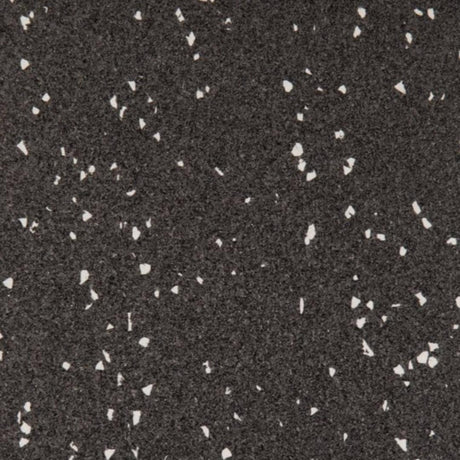
- Available in black and fleck colour options
- Thickness options available depending on the roll range
- Comfortable underfoot for busy training areas
- Helps protect the subfloor from equipment and foot traffic
- Low maintenance and easy to clean
- Moisture-resistant surface
- Slip-resistant finish
- Suitable for light to medium impact use
- 4-year warranty on selected ranges
Find out more by reading:-

Rubber Tiles vs Rubber Rolls: Which Gym Flooring Is Right for You?

Home Gym Flooring vs Commercial Gym Flooring: What’s the Difference?
