

![Grey and black 20mm reversible EVA tatami mat jigsaw edge]()
![Close-up of red 20mm EVA tatami mat jigsaw edge with blue reverse]() Sale
Sale-
![Black and grey reversible tatami mats joined together]()
![Close-up of red 40mm tatami jigsaw edge with blue reverse]() Sale
Sale -
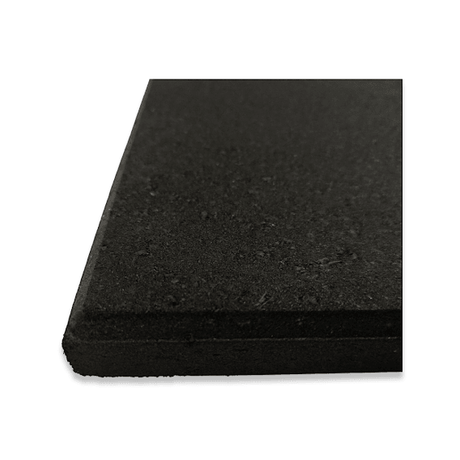
![Corner of a black 30mm Sprung PRO rubber gym floor tile]()
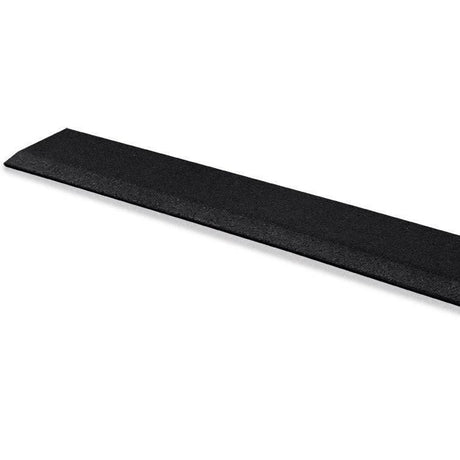
![Black 30mm Sprung PRO rubber edge ramp strip]()
 Sale
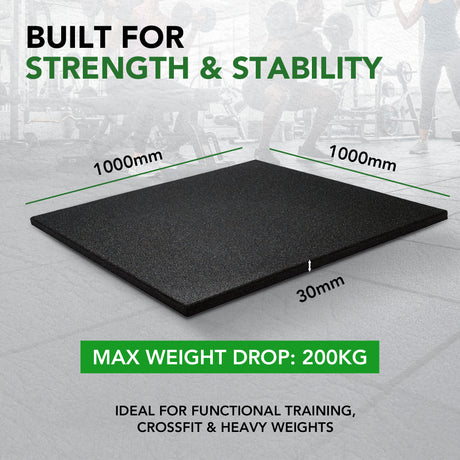
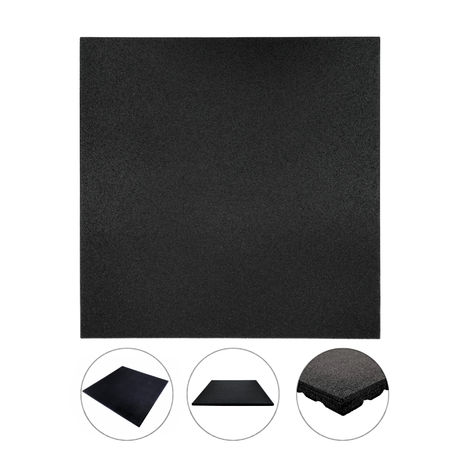
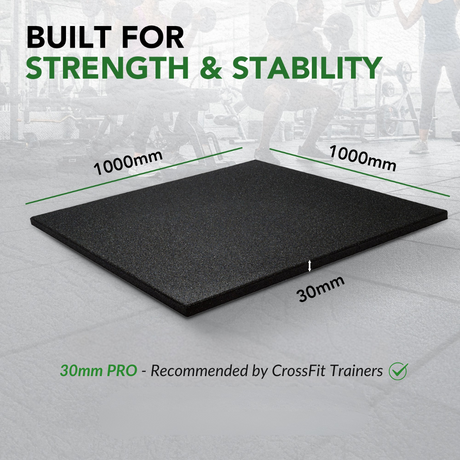
Sale30mm Sprung PRO Gym Floor Tile - Rubber Heavy Duty Gym Flooring
From £31.34£41.24Unit price /Unavailable -
Sale
-
Sale
-
Sale
-
![Black 30mm PRO anti-shock tile with corner and edge pieces]() Sale
Sale
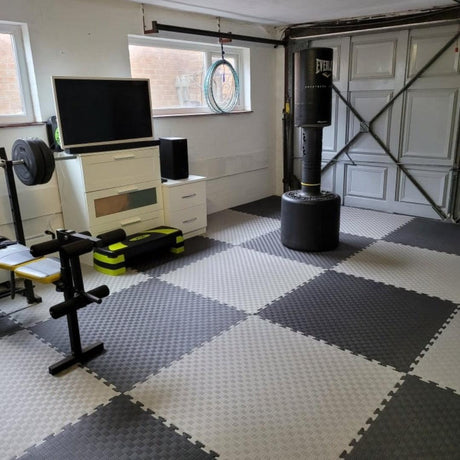


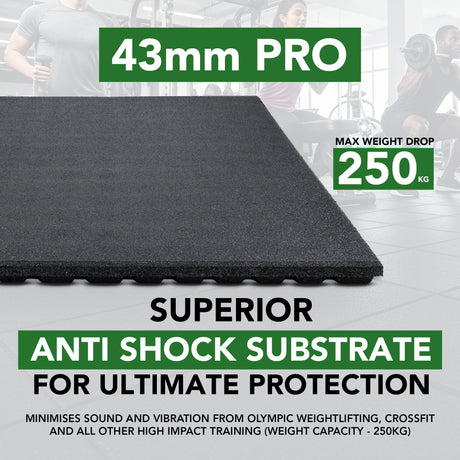
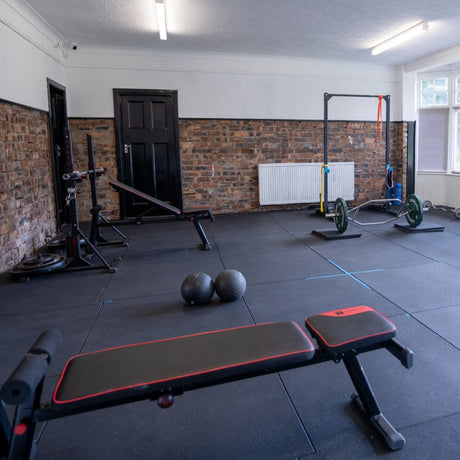

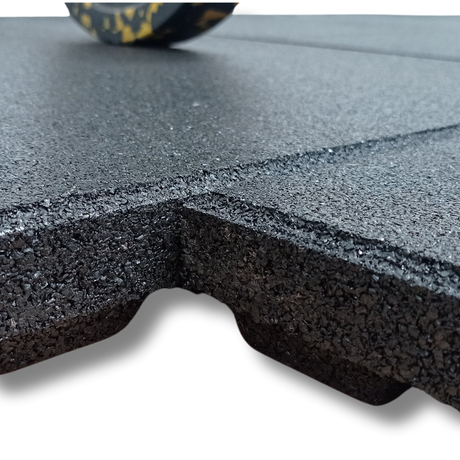

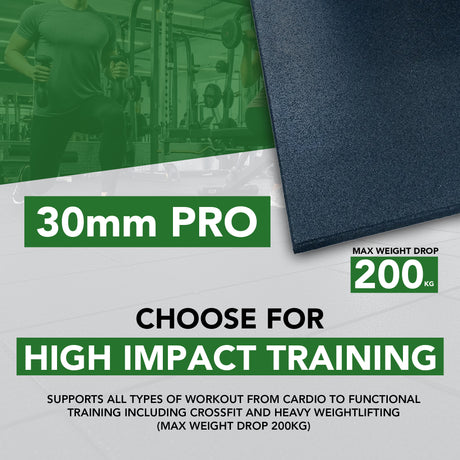
Sprung's Boxing Mats & Flooring Collection collection has 11 products, with prices from £22.14. Best sellers include 30mm Sprung PRO Gym Floor Tile (from £31.34), 43mm PRO Anti-Shock Rubber Gym Flooring Tile (from £70.75) and 20mm Reversible EVA Tatami Mats (from £22.14). Sprung rubber tiles, rolls and mats carry a 10-year warranty. Sprung supplies only, and UK delivery is free on orders over £300.
A boxing floor needs to support much more than standing equipment. It must provide dependable grip for footwork, withstand repeated skipping and conditioning sessions, cushion floor-based exercises and protect the subfloor from weights, benches and heavy training equipment.
Our boxing mats and flooring collection includes high-density EVA foam and heavy-duty rubber tiles for home boxing rooms, garage gyms, boxing clubs and professional training facilities. Choosing between these materials depends on how the space will be used. Foam is generally better for body contact and floor drills, while rubber is the stronger choice beneath equipment, free weights and high-intensity conditioning areas.
For mixed-use boxing facilities, the most effective layout may combine both surfaces, creating a firm rubber zone for bags and strength work alongside a cushioned foam area for stretching, technical drills and controlled contact training.
Premium-Quality Boxing Flooring for Better Training
Boxing involves constant changes of direction. Athletes pivot, shuffle, skip, drop into defensive positions and transfer force through the feet with every punch. Flooring that feels unstable, slippery or excessively soft can interfere with these movements.
A suitable boxing gym floor should deliver:
- Reliable traction for footwork and pivots
- Enough firmness for balance and force transfer
- Cushioning for knees, joints and floor exercises
- Resistance to repeated movement from equipment
- Protection for the concrete, timber or screeded floor below
- A surface that can be cleaned regularly
The correct material will depend on whether your training is focused on bag work, sparring, strength and conditioning, martial arts or a combination of activities.
EVA Foam Jigsaw Mats for Boxing and Martial Arts
High-density EVA foam is a practical option for boxing areas used for stretching, mobility, warm-ups, technical drills and light-contact training. Its cushioned construction is more forgiving than a hard floor when athletes kneel, sit or perform core exercises.
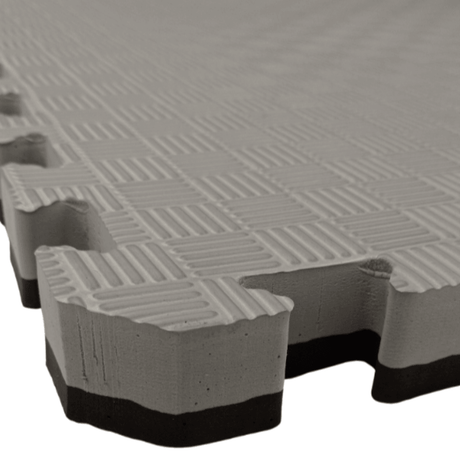
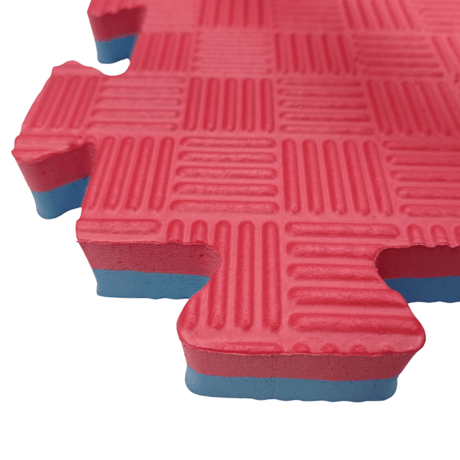
Our reversible EVA foam Tatami mats have a textured surface that supports controlled movement while helping to reduce friction during floor-based work. The puzzle edges connect securely, allowing the mats to cover complete rooms or defined training areas without specialist installation.
The reversible colour design can also be used to create contrasting zones or borders. Removable straight edging produces a neater finish around exposed sides, which is useful in home studios and smaller boxing clubs where the flooring does not extend from wall to wall.
These mats are particularly suitable where boxing is combined with kickboxing, grappling or other MMA and martial arts training. However, foam should not normally be used directly beneath heavy free-weight stations or equipment with concentrated feet, as prolonged pressure can leave indentations.
Choosing Between 20mm and 40mm Foam Mats
For boxing fitness, warm-ups, stretching, pad work and general home training, 20mm EVA mats provide a useful balance between cushioning and stability.
A 40mm mat offers greater cushioning for training that involves more regular body contact with the floor. It is therefore better suited to mixed boxing and martial arts studios, controlled takedown practice and spaces used for grappling-style sessions.
Thicker foam is not automatically better for every boxing activity. Athletes performing fast footwork and repeated pivots may prefer the firmer response of 20mm mats or rubber flooring. The surface should remain stable enough for the intended movement pattern.

Rubber Boxing Mats for Bags, Weights and Conditioning
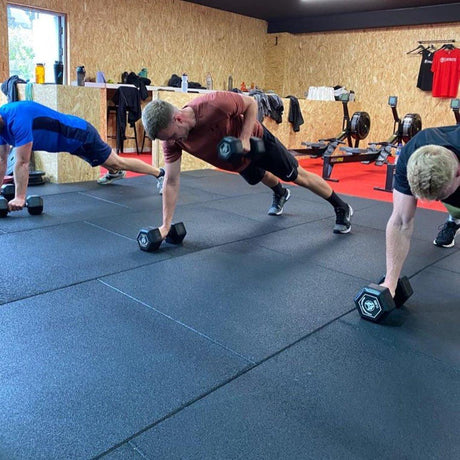
Rubber tiles are generally the most versatile option for boxing gyms centred around heavy bags, speed work, skipping, circuits and strength training. They create a stable surface that supports forceful footwork while helping to protect the structural floor from equipment and repeated impact.
Our rubber gym tiles are manufactured for demanding fitness environments and are available in several thicknesses. Their dense construction makes them suitable beneath freestanding punch bags, benches, racks, cardio machines and storage equipment.
Rubber also provides better resistance to concentrated equipment loads than EVA foam. This makes it the preferred solution where boxing sessions include dumbbells, kettlebells, medicine balls or other free-weights training.
For a specialist boxing club, rubber can be installed throughout the conditioning area while a separate foam zone is reserved for activities requiring more body cushioning.
What Thickness Is Best for Boxing Gym Flooring?
There is no single thickness that suits every boxing facility. The decision should reflect the heaviest activity taking place in each zone.
Rubber tiles from approximately 15mm to 20mm are suitable for general boxing fitness, skipping, bag work and cardio equipment. A 20mm tile is a particularly versatile option for home boxing gyms and smaller studios because it provides useful impact protection without feeling excessively soft beneath the feet.
Around 30mm is more appropriate where boxing is combined with regular kettlebell, dumbbell and functional strength work. It offers increased protection for concrete floors and greater impact control around equipment stations.
For heavier lifting or areas exposed to repeated dropped weights, thicker PRO rubber flooring tiles or anti-shock tiles may be required. These products are better suited to dedicated strength zones than general boxing footwork areas, so zoning the room often provides a more comfortable and cost-effective result.
Flooring for Heavy Bags and Boxing Equipment
A hanging heavy bag does not place its full weight directly on the floor, but the training around it still generates repeated impact through pivots, jumps and stance changes. Rubber flooring provides the firm, grippy base needed for this type of movement while helping to reduce noise transmitted through the subfloor.
Freestanding bags create a different challenge because their bases place a concentrated load on the surface. Dense rubber is preferable beneath these units because it is less likely to compress or become marked than foam.
Benches, racks and plate-loaded equipment should also sit on rubber. Very heavy equipment may require thicker protection, particularly when installed on timber, tiles or a floor that must remain undamaged.
Boxing Flooring for Garage Gyms
Garages are popular locations for home boxing setups, but bare concrete can be cold, dusty and uncomfortable. It can also amplify noise from skipping, dropped equipment and bag stands.
Purpose-made garage gym flooring creates a warmer and more practical training surface while protecting the concrete below. Rubber tiles are usually the best starting point because they tolerate equipment, repeated foot traffic and demanding workouts.
Before installation, check that the concrete is level, structurally sound and free from persistent moisture. Rubber should not be used to conceal an active damp problem. Minor surface dust should be removed, and significant cracks or uneven areas should be repaired so the tiles sit securely.
Loose-laid tiles are convenient for garage conversions because individual pieces can be lifted or replaced if the layout changes. Bevelled edge tiles can provide a safer transition where the flooring covers only part of the garage.
Reducing Noise and Vibration in a Boxing Space
Boxing gyms can generate considerable noise through skipping ropes, footwork, equipment movement and weights. Rubber flooring helps reduce impact noise and vibration, but the final result depends on tile thickness, building construction and the type of activity taking place.
A thicker tile will generally absorb more impact than a thin surface. However, flooring cannot completely soundproof a room, especially where noise travels through walls, ceilings or structural joists.
For upstairs boxing rooms, apartments and shared buildings, avoid dropping weights and consider separating heavy equipment from adjoining walls. A dense rubber surface, careful equipment positioning and sensible training hours will achieve better results than relying on flooring alone.
Easy-Fit Boxing Gym Mats
Interlocking and loose-laid tiles allow many boxing floors to be installed without permanent adhesive. This is particularly helpful in rented units, home gyms and facilities that may need to change their floorplan.
Tiles should be installed on a clean, dry and level base. A tight wall-to-wall layout helps prevent movement, while edge ramps or bevelled tiles improve access around partial installations.
Routine maintenance is straightforward. Remove loose dust and debris regularly, then clean the floor using a damp mop and a mild, material-compatible detergent. Avoid saturating the joints and do not use harsh solvents or abrasive chemicals.
From a compact home bag area to a fully zoned commercial boxing club, the right flooring helps create a safer, quieter and more professional environment. For assistance comparing foam and rubber options, thicknesses or quantities, contact our flooring team for project-specific guidance.