

![Field Hockey Synthetic Grass Pitch Sprung Gym Flooring]()
![Field Hockey Synthetic Grass Pitch Sprung Gym Flooring]()
![Field Hockey Synthetic Grass Pitch Sprung Gym Flooring]() Sale
Sale-
![San Siro 2G Multi-Sport Astroturf Pitch]()
![San Siro 2G Multi-Sport Astroturf Pitch]()
![San Siro 2G Multi-Sport Astroturf Pitch]()
![San Siro 2G Multi-Sport Astroturf Pitch]()
![San Siro 2G Multi-Sport Astroturf Pitch]() Sale
Sale


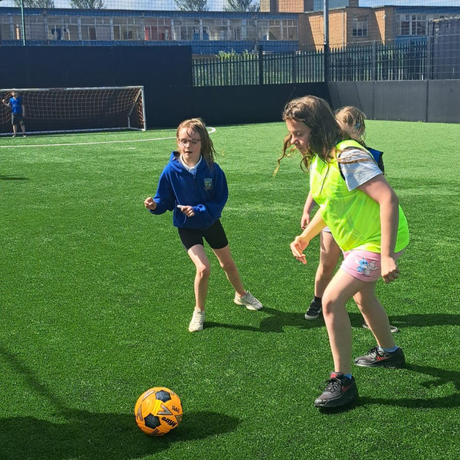
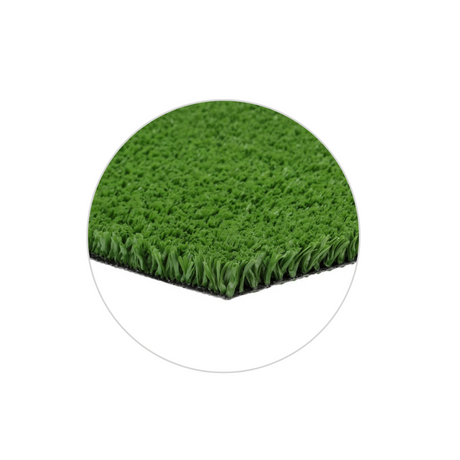
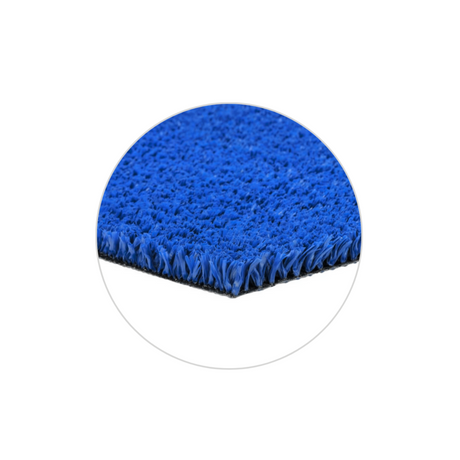
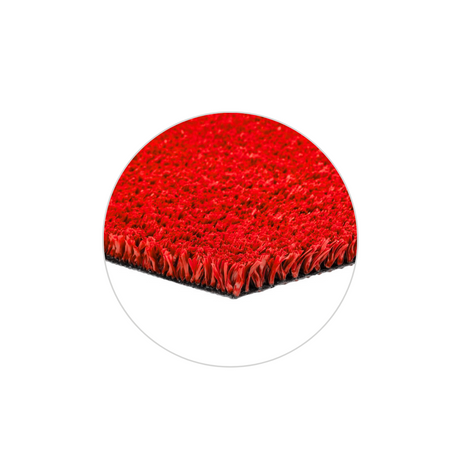
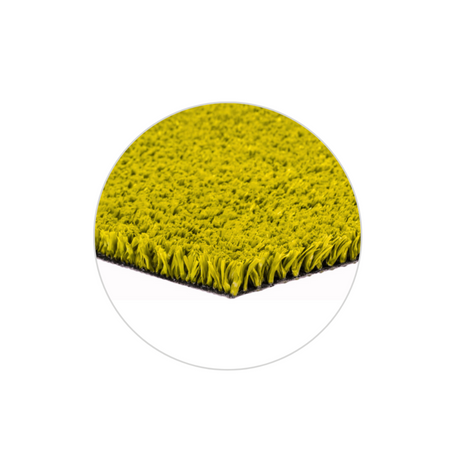
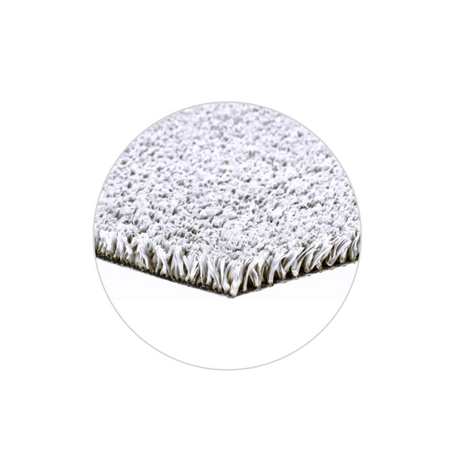
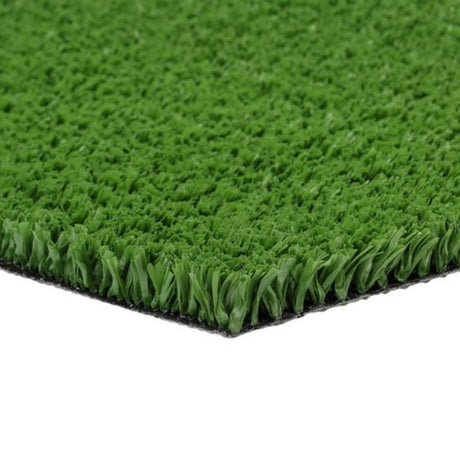
Create a faster, more consistent playing surface with artificial field hockey grass designed for controlled ball movement, reliable grip and year-round use. Our hockey astroturf systems are suitable for clubs, schools, training facilities, multi-sport venues and smaller practice areas where natural grass cannot provide sufficiently predictable performance.
Unlike longer landscaping grass or football turf, hockey grass uses a short, dense pile that allows the ball to travel smoothly across the surface. This supports quicker passing, close stick control and more accurate training while providing a durable surface capable of handling repeated drills, matches and changing UK weather.
Why Artificial Grass for Field Hockey?
Field hockey places very specific demands on a playing surface. Players accelerate, stop, turn and change direction rapidly, while the ball needs to remain close to the ground and travel without being interrupted by long fibres, bare patches or uneven soil.
A purpose-designed Field Hockey Artificial Grass Pitch creates a more uniform environment for passing, dribbling, shooting and tactical practice. Its low-profile fibres encourage a smoother, faster ball roll than conventional garden turf, while the closely tufted construction provides the firmness required for controlled stick work.
Artificial hockey grass also avoids many of the inconsistencies associated with natural pitches. There is no mud, worn goalmouth or uneven grass growth to affect the direction or pace of the ball. With the correct base preparation and regular maintenance, the surface remains dependable throughout intensive training schedules.
What Makes a Good Field Hockey Artificial Turf?
Pile height is one of the most important differences between hockey turf and other artificial grass products. Longer fibres may feel softer underfoot, but they can slow the ball and interfere with close control. Hockey surfaces usually use shorter, tightly packed fibres to create a flatter playing layer.
Our specialist hockey turf has an approximate pile height of 11.5mm and a total thickness of approximately 13.5mm. It is manufactured from durable polyethylene fibres with a reinforced polypropylene and latex backing. The 2m-wide rolls are available in a choice of lengths, making it easier to plan full pitches, training lanes and smaller skills areas with fewer joins.
Water-permeable drainage holes allow rainfall to pass through the turf rather than collecting on the playing surface. UV stabilisation also helps the fibres withstand prolonged outdoor exposure. These qualities make the system suitable for the variable weather conditions experienced by outdoor sports facilities across the UK.
For venues accommodating several activities rather than hockey alone, the coloured San Siro 2G Multi-Sport Astroturf Pitch provides a versatile alternative. It can support hockey alongside other school, club or community sports, helping facilities make more effective use of one outdoor area.
Consistent Ball Roll and Player Movement
Consistency is central to both player development and enjoyable match play. A level synthetic surface reduces unpredictable ball deviation and enables players to practise passing patterns, first touches and shooting techniques with greater confidence.
The low, dense pile supports:
- Controlled dribbling and close stick work
- Faster, more predictable passing
- Reliable ball response across the playing area
- Quick footwork and changes of direction
- Repeatable training conditions throughout the season
Player traction is equally important. The surface must provide enough grip for acceleration and stopping without feeling overly abrasive or restricting natural movement. The correct sub-base and, where required, shock-absorbing layer will also influence comfort, stability and the overall performance of the finished system.
Choosing Between Hockey Turf Systems
The best system depends on how the area will be used.
A dedicated hockey club or specialist training centre will usually prioritise fast ball roll, dense fibres and a surface specification tailored closely to hockey. A school or community facility may need to balance hockey performance with football, tennis, general PE and recreational use. In that situation, a multi-purpose system can deliver better value across the full timetable.
Consider the following before choosing your surface:
- Primary use: Decide whether the facility is predominantly for hockey or must support several sports.
- Level of play: Informal practice areas have different requirements from club, league or competition pitches.
- Expected usage: A school or busy training venue needs a system that can withstand frequent sessions and intensive foot traffic.
- Base condition: The turf will only perform as intended when installed over a stable, level and free-draining foundation.
- Shock absorption: Depending on the specification and intended level of use, a shock pad may be incorporated beneath the turf to improve comfort and impact performance.
- Pitch colour and markings: Green remains a traditional choice, while blue turf can improve contrast with the ball. Multi-sport surfaces may require additional coloured lines for different activities.
Facilities comparing a wider range of court and pitch solutions can also explore our all sports flooring systems, which include surfaces for indoor halls, outdoor courts and specialist sports areas.
Who Uses Artificial Grass Hockey Pitches?
Artificial hockey grass can be adapted to projects of many different sizes.
Hockey clubs and academies use synthetic pitches to maintain reliable training conditions and support player development. Schools and universities benefit from a robust outdoor surface that can accommodate lessons, team practice and extracurricular sport without becoming muddy or waterlogged.
Community sports centres often use hockey-compatible turf as part of a broader multi-sport court flooring project. This allows one facility to serve several clubs and user groups, increasing booking potential and reducing the need for separate playing areas.
Smaller installations can be created for gardens, coaching zones and private training spaces. These areas are useful for dribbling drills, receiving practice, shooting technique and general skills development when a full-sized pitch is unnecessary.
Full Pitch, Training Area or Practice Lane?
A full-size hockey pitch requires detailed planning, professional groundworks, drainage, perimeter edging, line marking and an appropriate maintenance programme. Smaller practice areas are more straightforward but still depend on a properly prepared foundation.
Because the turf is supplied in 2m-wide rolls, it can be configured for:
- Full hockey pitches
- School and club training areas
- Goalkeeper practice zones
- Shooting and passing lanes
- Garden hockey practice spaces
- Multi-use games areas
- Indoor or covered coaching facilities
When calculating quantities, allow for the complete surface dimensions, trimming and the positioning of seams. Roll direction should be planned carefully so that the fibres run consistently throughout the installation.
Installation and Ground Preparation
Artificial hockey turf should not be laid directly over uneven soil or an unstable surface. The base must be compact, level and capable of draining water efficiently. Poor preparation can lead to depressions, movement, visible joints and inconsistent ball behaviour.
A typical professional project may include excavation, drainage, compacted aggregate layers, an engineered base, optional shock pad, turf installation, jointing and line marking. The exact build-up depends on the site, intended use and performance level required.
Smaller areas may be suitable for experienced DIY installation, but larger pitches and commercial facilities should normally use a specialist contractor. Sprung can help customers access approved UK sports flooring installers for pitch preparation and complete installation support.
Maintaining Field Hockey Astroturf
Artificial grass requires considerably less routine work than natural turf, but it is not maintenance-free. Leaves, dirt and organic debris should be removed regularly before they become embedded in the fibres. Suitable brushing helps redistribute infill where present, lifts flattened areas and maintains consistent surface performance.
High-use sections, seams, edges, goal areas and drainage points should be inspected periodically. Early attention to loose joints or localised damage is far easier than repairing a larger affected section later.
The surface should also be kept free from mud, chewing gum, oils and unsuitable footwear. A planned maintenance schedule will protect the appearance of the turf, support more consistent play and extend the useful lifespan of the installation.

Plan Your Field Hockey Surface with Sprung
Whether you are developing a dedicated club pitch, upgrading a school sports area or creating a compact hockey practice zone, our team can help you identify the most suitable turf, dimensions and installation approach.
Our collection includes specialist short-pile hockey grass and versatile multi-sport systems in several colours. For projects that must accommodate additional activities, our broader artificial grass and astroturf range includes surfaces for sports, fitness, leisure and landscaping applications.
Browse the field hockey turf options above or contact the Sprung team for advice on quantities, preparation, samples and professional installation.