

![BOEN Actiflex Dance Studio Flooring Sports Flooring Boen Ash]()
![BOEN Actiflex Dance Studio Flooring Sports Flooring Boen Beech]()
![BOEN Actiflex Dance Studio Flooring]()
![BOEN Actiflex Dance Studio Flooring Sports Flooring Boen European oak]() Sale
Sale-
![BOEN - Boflex Stadium Sprung Sports Flooring Sports Flooring Boen Ash]()
![BOEN - Boflex Stadium Sprung Sports Flooring Sports Flooring Boen Beech]()
![BOEN - Boflex Stadium Sprung Sports Flooring Sports Flooring Boen Canadian Maple]()
![BOEN - Boflex Stadium Sprung Sports Flooring Sports Flooring Boen]() Sale
Sale -
![Vinyl Gym Flooring Vinyl Sports Flooring Sprung Grey]()
![Vinyl Gym Flooring Vinyl Sports Flooring Sprung Grey Oak Effect]()
![Vinyl Gym Flooring Vinyl Sports Flooring Sprung Oak Effect]()
![Vinyl Gym Flooring Vinyl Sports Flooring Sprung Black]()
![Vinyl Gym Flooring Vinyl Sports Flooring Sprung Teal]()
![Vinyl Gym Flooring Vinyl Sports Flooring Sprung Blue]() Sale
Sale -
![Vinyl Gym Flooring Vinyl Sports Flooring Sprung Grey]()
![Vinyl Gym Flooring Vinyl Sports Flooring Sprung Grey Oak Effect]()
![Vinyl Gym Flooring Vinyl Sports Flooring Sprung Oak Effect]()
![Vinyl Gym Flooring Vinyl Sports Flooring Sprung Black]()
![Vinyl Gym Flooring Vinyl Sports Flooring Sprung Teal]()
![Vinyl Gym Flooring Vinyl Sports Flooring Sprung Blue]() Sale
Sale -
![BOEN - Boflex Olympia Sprung Sports floor Sports Flooring Boen Ash]()
![BOEN - Boflex Olympia Sprung Sports floor Sports Flooring Boen Beech]()
![BOEN - Boflex Olympia Sprung Sports floor Sports Flooring Boen Canadian Maple]()
![BOEN - Boflex Olympia Sprung Sports floor Sports Flooring Boen]() Sale
Sale


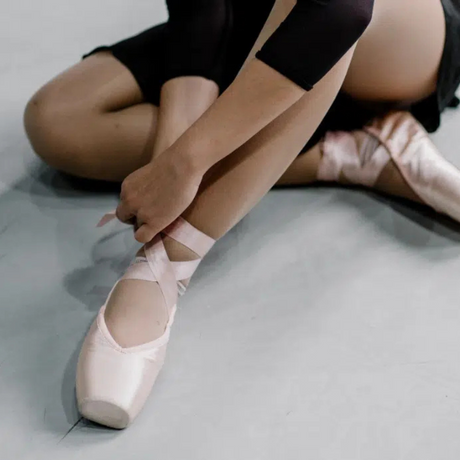




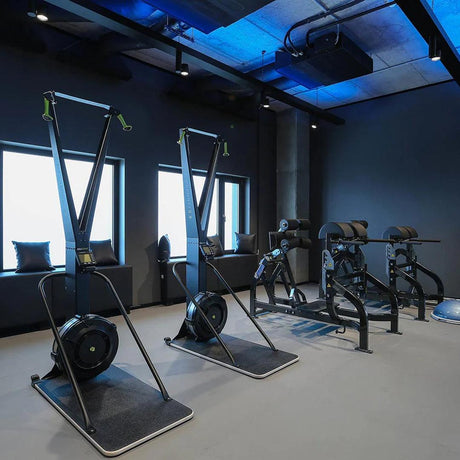
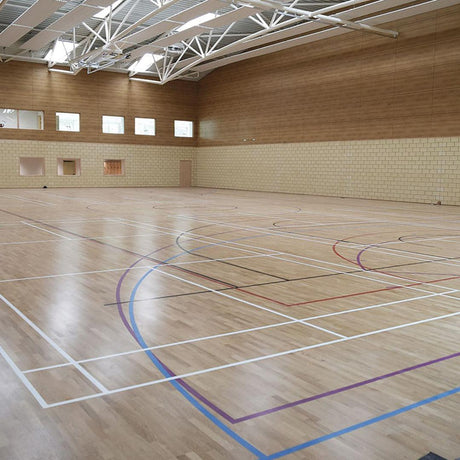
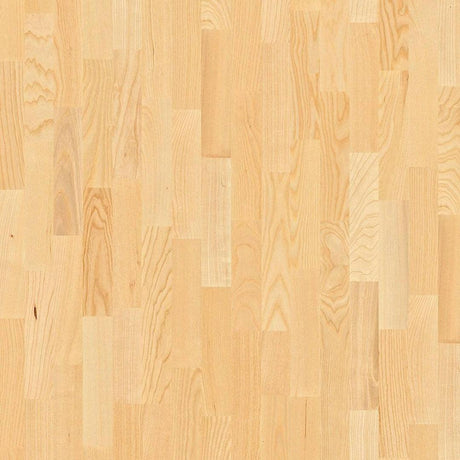
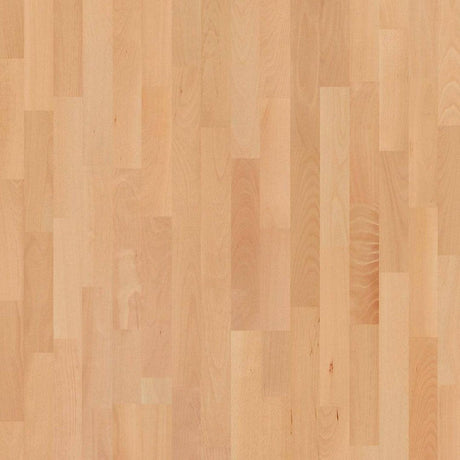
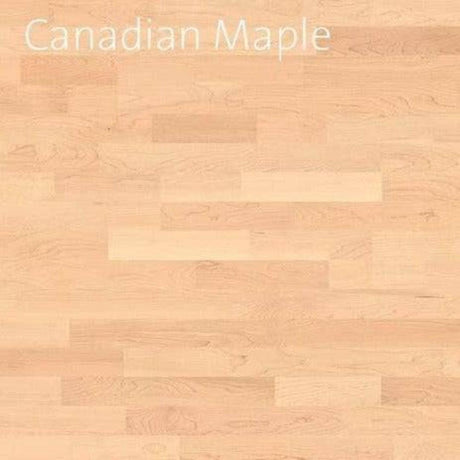
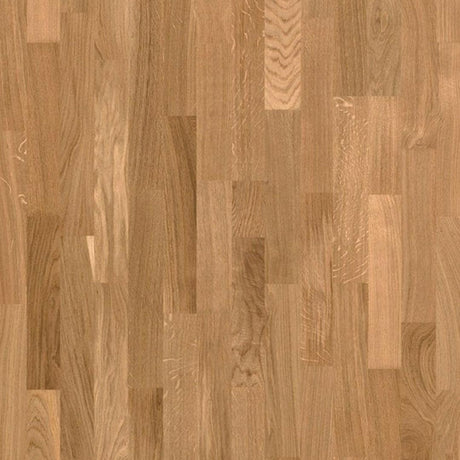
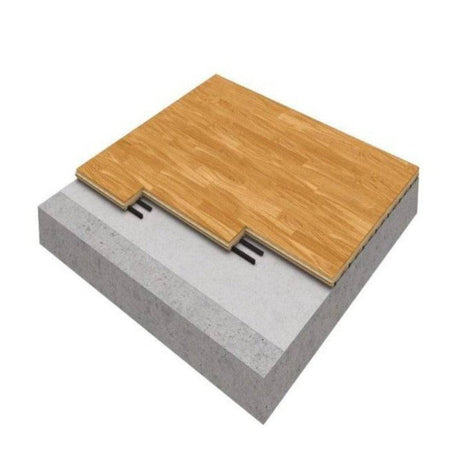
A dance floor should support movement rather than simply cover the subfloor. The right surface gives dancers a predictable balance of grip, glide, cushioning and energy return, helping the studio feel consistent from one side of the room to the other. Whether you are fitting a professional academy, community hall, school studio, rehearsal room or dedicated home space, the best choice depends on the dance styles being taught, the level of use and the construction beneath the floor.
Our range includes sprung hardwood systems and cushioned vinyl options for ballet, contemporary, jazz, tap, ballroom, street dance, hip-hop and mixed studio programmes. Each is designed to create a more comfortable, professional training environment while offering finishes suited to traditional or modern interiors.
Dance Studio Flooring Options
The first decision is whether your studio needs an area elastic hardwood system or a point elastic vinyl surface. Both can provide impact absorption, but they respond differently under movement.
Point elastic flooring compresses mainly where the dancer lands. This local response is commonly associated with cushioned vinyl and suits studios needing an easy-clean, versatile surface with controlled traction. Area elastic flooring spreads impact across a wider section of the floor, creating the broader response often preferred in purpose-built dance and performance spaces.
Neither option is automatically right for every project. A children’s dance school with a varied timetable may prioritise straightforward maintenance and visual choice, while a full-time academy may place greater emphasis on floor response, long-term performance and the feel of engineered wood.

Sprung Vinyl Flooring for Dance
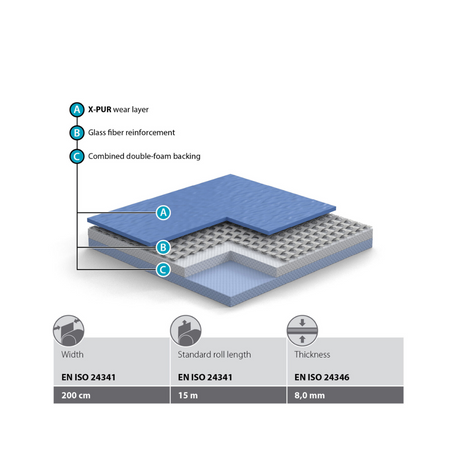
Vinyl is a practical choice for busy studios that host several disciplines or need a contemporary finish. Our vinyl sports and dance flooring combines a resilient surface with cushioned backing, helping to create a consistent floor for repeated classes, rehearsals and fitness-based sessions.
It can work well for ballet, contemporary, jazz, lyrical dance, street dance and general studio training, although suitability should always be checked against the exact activity and footwear. A controlled surface is important: too much grip can restrict turns, while too little can make travelling steps and landings feel insecure.
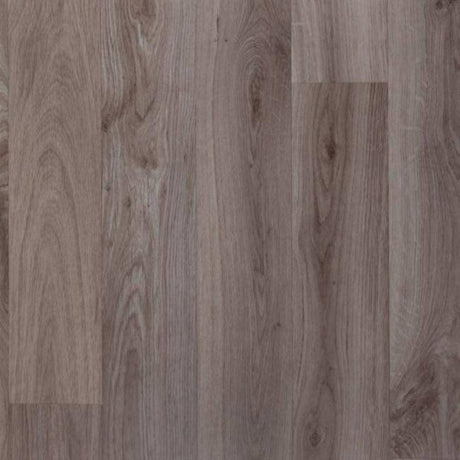
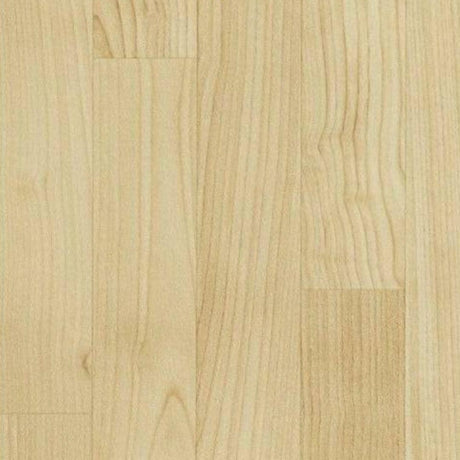
The sealed surface is simple to maintain and comes in a choice of colours and wood-effect finishes. This makes it easier to coordinate the floor with mirrors, barres, branding and surrounding décor. It can also suit schools, community centres and multi-use rooms where dance shares the timetable with exercise or performance.
Hardwood Sprung Dance Floor Solutions
Engineered hardwood remains a popular choice for studios seeking a traditional, premium appearance and an area elastic response. BOEN Actiflex dance studio flooring uses an engineered wood surface over a resilient foam layer, creating a sprung system intended to support flexibility, comfort and energy absorption.
A hardwood floor can work across ballet, ballroom, jazz, contemporary and tap, while giving studios and performance spaces a refined finish. Natural wood tones can make a room feel warmer and more established, and engineered systems offer greater dimensional stability than a basic solid timber floor.
BOEN systems such as Actiflex, Boflex Stadium and Boflex Olympia are useful where the studio forms part of a wider sports, education or community facility. The correct system will depend on room size, floor height, anticipated rolling loads and whether the space must support activities beyond dance.

Wood or Vinyl Dance Flooring?
Wood provides a natural appearance and a broad, responsive feel under movement. Depending on the system and wear layer, it may also be possible to refurbish the surface during its service life. It generally requires more careful maintenance and a greater initial investment, but is often chosen for premium studios, academies and theatres.
Vinyl offers more colour flexibility, straightforward cleaning and a consistent factory-finished surface. It is often the practical choice for studios with frequent timetable changes, younger classes or mixed activities. Wood-effect vinyl can also create a warm studio look without the same maintenance routine as genuine timber.
Our A Buying Guide to Dance Flooring explores the main choices in more detail, while Sprung Flooring: What It Is and When to Use It explains how resilient floor systems differ from ordinary decorative flooring.
Choosing Flooring for Different Dance Styles
Ballet and contemporary studios usually need controlled traction, smooth transitions and support during repeated jumps and landings. Jazz and lyrical dance require similar consistency but may involve faster directional changes. Hip-hop and street dance can place greater impact and torsional demand on the floor, making cushioning, stability and wear resistance especially important.
Ballroom dancers generally benefit from a smooth, even surface that permits travelling movement without sudden changes in friction. Tap introduces additional acoustic and wear considerations, so the chosen surface should be confirmed as suitable for percussive footwear. Where a studio hosts many disciplines, prioritise a balanced, predictable surface rather than choosing solely for one class type.
Subfloor, Installation and Floor Height
Even the best dance flooring will only perform correctly over a suitable base. The subfloor should be level, dry, structurally sound and free from loose material. Concrete may require moisture testing and preparation, while timber bases should be checked for movement and damaged boards.
Floor build-up matters too. Sprung systems can raise the finished level, affecting doors, skirting, thresholds, ramps and access between rooms. Measure these details early. Underfloor heating, existing coverings and acoustic layers should also be checked against the product specification before installation.
Some click-fit engineered systems can be installed without fixing every board to the base, making them easier to extend or relocate than traditional built-in constructions. Larger commercial studios, uneven subfloors and projects with complex transitions may still benefit from professional preparation and installation.
Comfort, Noise and Studio Acoustics
A sprung floor can reduce the harshness felt through repeated landings and fast movement, but it is not complete soundproofing. Impact noise can travel through walls, joists and the building structure. Upstairs studios, shared buildings and converted residential spaces may therefore need a wider acoustic assessment, including the subfloor, perimeter details and ceiling below.
Within the room, a resilient floor can help reduce the sharp, hollow character of an untreated hard base. The final result will depend on the complete construction, dance style, footwear and building itself.
Cleaning and Long-Term Care
Dance floors should be cleaned regularly so dust, grit and residues do not alter grip. Use a soft vacuum or dust mop for loose dirt, followed by a lightly damp mop and an approved cleaning product. Avoid household polishes, waxes and cleaners that leave a slippery film.
Entrance matting can reduce grit brought into the studio, while a clear footwear policy helps protect the surface. Inspect seams, joints and high-use areas regularly, particularly near entrances, barres and teaching positions.
Dance Flooring for Studios, Schools and Home Practice
Commercial studios need a floor that can withstand daily classes and repeated cleaning. Schools and community venues often require greater flexibility because the room may also support sport, drama or group exercise. Home studios may be smaller, but subfloor condition, room height and noise transfer remain just as important.
Choose the system around how the space will actually be used, not appearance alone. A well-planned dance floor brings together movement quality, comfort, maintenance, installation and visual design to create a studio dancers can trust session after session.