

![Outdoor Playground Safety Mats]()
![30mm Sprung gym mats in three colours, 50cm x 50cm]()
![Outdoor Playground Safety Mats]()
![Heavy-duty rubber tiles for horse washing areas and paddocks]()
![Outdoor Playground Safety Mats]()
![Outdoor Playground Safety Mats]() Sale
Sale-
![30mm Sprung gym mats in three colours, 50cm x 50cm]()
![Safety Rubber Tiles - 500mm x 500mm]()
![Heavy-duty rubber tiles for horse washing areas and paddocks]()
![Safety Rubber Tiles - 500mm x 500mm]()
![Safety Rubber Tiles - 500mm x 500mm]()
![Safety Rubber Tiles - 500mm x 500mm]() Sale
Sale -
![Multisport Modular Tile System | Wheelchair Sports Sports Flooring Sprung Gym Flooring Green]()
![Padel Ball Court System | Includes Court Markings Sprung Gym Flooring Grey]()
![Modular Multi Sport Playground Tiles Sports Flooring GymFloors]() Sale
Sale -
Sale
-
Sale
Ground Protection Access Tiles for Vehicles & Pedestrians
£25.39£31.74Unit price /Unavailable 
![Multisport Modular Tile System | Wheelchair Sports Sports Flooring Sprung Gym Flooring Green]()
![Multisport Modular Tile System | Wheelchair Sports Sports Flooring Sprung Gym Flooring Blue]()
![Tennis Court System (Doubles) | Includes Court Markings Sprung Gym Flooring Mid Grey]()
![Pickleball Court System | Includes Court Markings Sprung Gym Flooring Dark Grey]() Sale
Sale-
![Artificial Playground Grass]()
![Artificial Lawn Play Grass for Playgrounds Sprint Track GymFloors 10m Black]()
![Artificial Lawn Play Grass for Playgrounds Sprint Track GymFloors 10m Blue]()
![Artificial Lawn Play Grass for Playgrounds Sprint Track GymFloors 10m Red]()
![Artificial Lawn Play Grass for Playgrounds Sprint Track GymFloors 10m Anthracite Grey]()
![Artificial Lawn Play Grass for Playgrounds Sprint Track GymFloors 10m Light Grey]()
![Artificial Playground Grass]()
![Artificial Lawn Play Grass for Playgrounds Sprint Track GymFloors 10m Black]()
![Artificial Lawn Play Grass for Playgrounds Sprint Track GymFloors 10m Blue]()
![Artificial Lawn Play Grass for Playgrounds Sprint Track GymFloors 10m Red]()
![Artificial Lawn Play Grass for Playgrounds Sprint Track GymFloors 10m Anthracite Grey]()
![Artificial Lawn Play Grass for Playgrounds Sprint Track GymFloors 10m Light Grey]()
![Artificial Playground Grass]()
![Artificial Lawn Play Grass for Playgrounds Sprint Track GymFloors 10m Black]()
![Artificial Lawn Play Grass for Playgrounds Sprint Track GymFloors 10m Blue]()
![Artificial Lawn Play Grass for Playgrounds Sprint Track GymFloors 10m Red]()
![Artificial Lawn Play Grass for Playgrounds Sprint Track GymFloors 10m Anthracite Grey]()
![Artificial Lawn Play Grass for Playgrounds Sprint Track GymFloors 10m Light Grey]() Sale
Sale


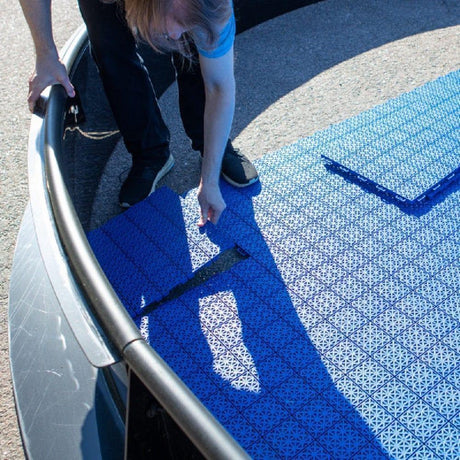
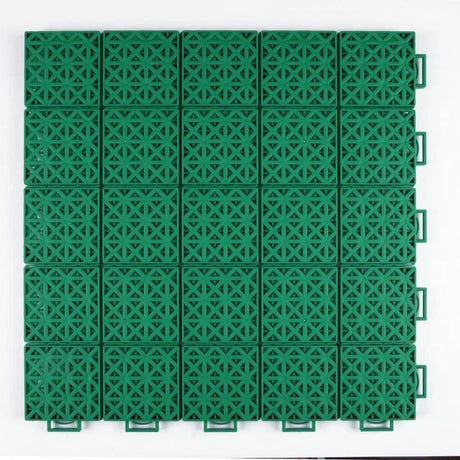
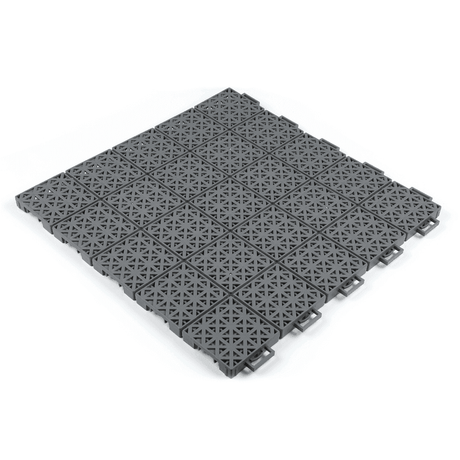
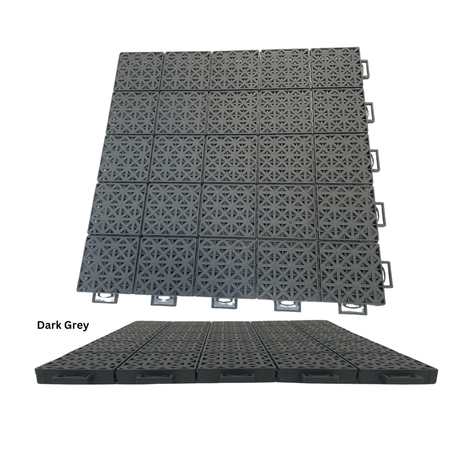

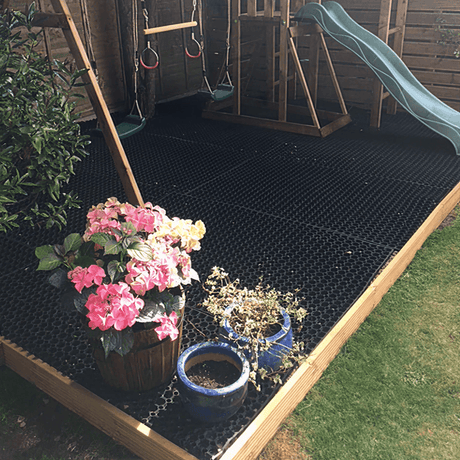
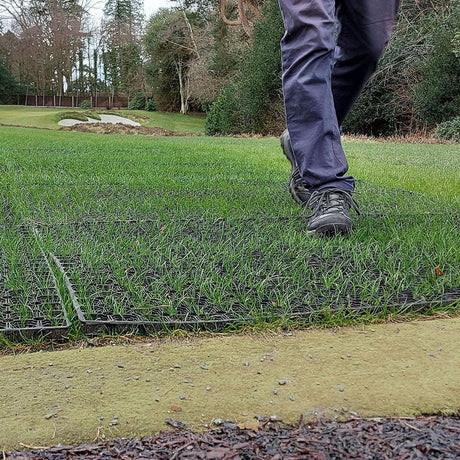
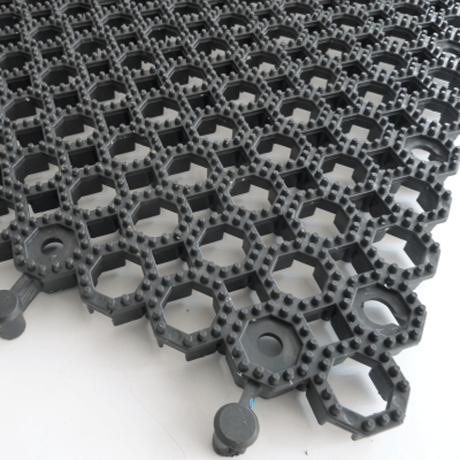
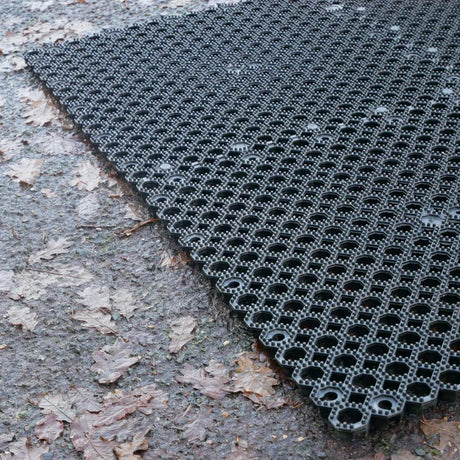


Playground Flooring — Rubber & Foam Safety Surfaces
Sprung Gym Flooring supplies playground flooring to schools, nurseries, councils and families across the UK: impact-absorbing rubber tiles, interlocking foam, and grass protection mats that turn hard or muddy ground into a surface children can fall on. The right choice depends on three things — what's underneath, how high children can climb, and the budget per square metre.
The three main options, honestly compared
Rubber playground tiles are the durable choice: heavy enough to stay put outdoors, soft enough to absorb falls, and they drain rain through the joints. Interlocking foam tiles cost less and cushion more but belong in sheltered or indoor play areas — sun and weather age foam faster than rubber. Grass protection mats keep natural grass while stopping the mud-bath under swings and slides — the budget-friendly option for gardens and informal play areas where a full surface isn't needed.
What about fall heights and safety standards?
Playground surfacing is rated by critical fall height — the maximum height a surface is tested to protect from. The right rating depends on your tallest equipment: a toddler slide and a 2.5-metre climbing frame need very different depths. Each Sprung playground product lists its specification on the product page, and for schools and public installations we'd always say: match the surface rating to the equipment height, and ask us for the spec sheets — they're free and it's exactly what they're for.
Is there a budget way to do playground flooring?
Yes, and it's not a trick: grass protection mats and interlocking foam cover play areas for a fraction of full rubber surfacing, and for domestic gardens they're often the sensible answer. Where budgets are tight on school projects, phasing works too — full-spec rubber under the climbing equipment where falls are highest, lighter surfacing across the open areas.
For schools, nurseries and councils
Sprung supplies playground flooring to schools, nurseries and local authorities, alongside the 1,500 commercial facilities we have floored. Bulk pricing and written quotes come from a real person by email, free samples go out ahead of procurement, and orders ship from our Glasgow warehouse with free UK mainland delivery over £300 on institutional orders too. If the project needs specific safety documentation, ask — the paperwork exists and we're used to sending it.
Playroom and indoor play area flooring
This page is the outdoor and playground range. For playrooms, nursery activity areas, classrooms and daycare floors — where children sit, crawl and tumble rather than climb — the softer, lighter answer is on our play mats and playroom flooring page: 13mm and 20mm interlocking foam, reversible tatami and soft play matting.
FAQs
What is the best flooring for an outdoor playground? Rubber playground tiles for permanent installations with climbing equipment; grass mats for keeping natural lawns usable; foam only where there's shelter. Match the surface's fall-height rating to your tallest equipment.
How much does playground flooring cost? Grass protection mats are the cheapest per square metre, foam sits in the middle, and rated rubber tiles cost the most and last the longest. Phasing spend under the highest equipment first stretches school budgets furthest.
Can you lay playground tiles on grass or soil? On firm, level grass, yes for lighter tiles and grass mats. Full rubber surfacing wants a firm base — compacted hardcore or existing hard surface — to stay flat and drain properly.
Do playground tiles drain rainwater? Yes — Sprung's outdoor rubber tiles drain through the joints and dry quickly, which is most of the reason playgrounds use them instead of solid surfaces.