

![20mm Java Black Rubber Gym Flooring Tiles with Recycled Coffee Grounds [Pre-Order] GYM FLOORING Sprung Gym Flooring](data:image/svg+xml,%3Csvg%20xmlns='http://www.w3.org/2000/svg'%20viewBox='0%200%20900%20900'%3E%3C/svg%3E) Sale
Sale20mm PRO Rubber Gym Flooring Tiles – Smooth Top Surface - UK's Top Rated
£33.95£42.44Unit price /Unavailable-
![20mm PRO Interlocking Gym Tiles – Connection Inserts Included]()
![20mm PRO Interlocking Gym Tiles – Connection Inserts Included]() Sale
Sale20mm PRO Interlocking Gym Tiles – Connection Inserts Included
From £14.75£18.44Unit price /Unavailable -
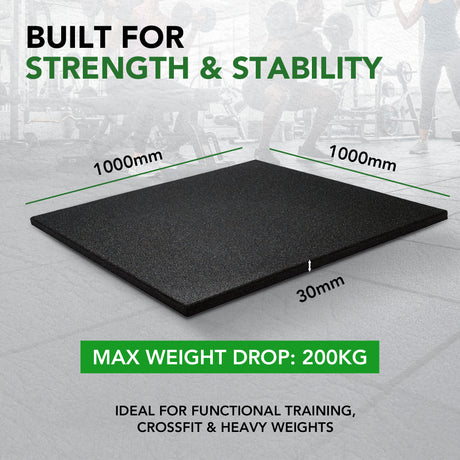
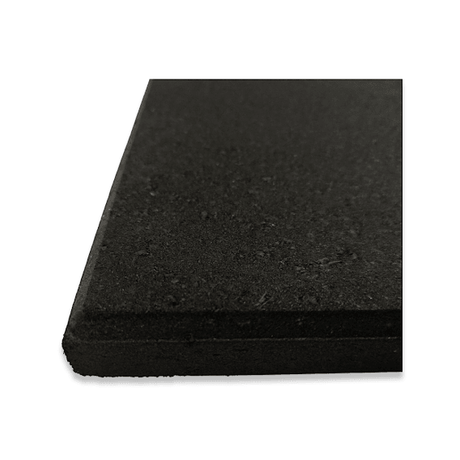
![30mm Sprung PRO Gym Floor Tile - Rubber Heavy Duty Gym Flooring GYM FLOORING GymFloors 30mm Heavy Duty Tile]()
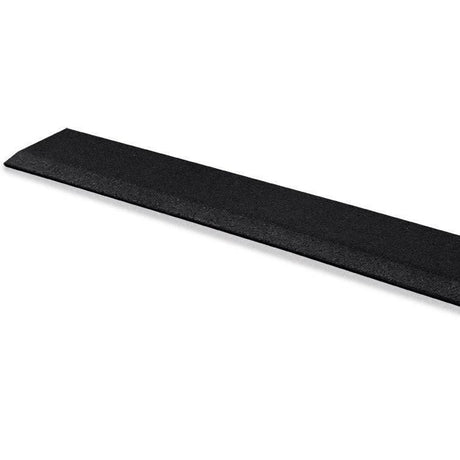
![30mm Sprung PRO Gym Floor Tile - Rubber Heavy Duty Gym Flooring GYM FLOORING GymFloors 30mm Ramp]() Sale
Sale30mm Sprung PRO Gym Floor Tile - Rubber Heavy Duty Gym Flooring
From £32.99£41.24Unit price /Unavailable -
![30mm PRO Anti-Shock Gym Floor Tile]() Sale
Sale -
![30mm Sprung PRO Interlocking Gym Tiles - Connection Inserts Included GYM FLOORING GymFloors Standard]() Sale
Sale30mm PRO Interlocking Gym Tiles – Connection Inserts Included
£73.00£88.75Unit price /Unavailable -
Sale
15mm Sprung PRO Gym Flooring - Sprung Rubber Heavy Duty
£32.99£39.98Unit price /Unavailable -
Sale
-
Sale
-
Sale
-
![Sprung Fleckz Gym Rubber Matting Roll - Various Colours | Thicknesses - 1.25m Width]()
![Sprung Fleckz Gym Rubber Matting Roll - Various Colours | Thicknesses - 1.25m Width]()
![Sprung Fleckz Gym Rubber Matting Roll - Various Colours | Thicknesses - 1.25m Width GYM FLOORING Sprung Gym Flooring 6mm Yellow]()
![Sprung Fleckz Gym Rubber Matting Roll - Various Colours | Thicknesses - 1.25m Width GYM FLOORING Sprung Gym Flooring 6mm Green]()
![Sprung Fleckz Gym Rubber Matting Roll - Various Colours | Thicknesses - 1.25m Width GYM FLOORING Sprung Gym Flooring 6mm Blue]()
![Sprung Fleckz Gym Rubber Matting Roll - Various Colours | Thicknesses - 1.25m Width GYM FLOORING Sprung Gym Flooring 6mm Blue]()
![Sprung Fleckz Gym Rubber Matting Roll - Various Colours | Thicknesses - 1.25m Width]()
![Sprung Fleckz Gym Rubber Matting Roll - Various Colours | Thicknesses - 1.25m Width GYM FLOORING Sprung Gym Flooring 8mm Blue]()
![Sprung Fleckz Gym Rubber Matting Roll - Various Colours | Thicknesses - 1.25m Width GYM FLOORING Sprung Gym Flooring 6mm Blue]()
![Sprung Fleckz Gym Rubber Matting Roll - Various Colours | Thicknesses - 1.25m Width]()
![Sprung Fleckz Gym Rubber Matting Roll - Various Colours | Thicknesses - 1.25m Width GYM FLOORING Sprung Gym Flooring 8mm Blue]()
![Sprung Fleckz Gym Rubber Matting Roll - Various Colours | Thicknesses - 1.25m Width GYM FLOORING Sprung Gym Flooring 6mm Blue]() Sale
SaleSprung Fleckz Gym Rubber Matting Roll - Various Colours | Thicknesses - 1.25m Width
From £628.54£740.67Unit price /Unavailable -
![Black Puzzle Interlocking Floor Mats Jigsaw Mats - 10mm GYM Sprung Gym Flooring Default Title]() Sale
Sale -
![Black Puzzle Interlocking Gym Floor Mats Jigsaw Mats - 15mm GYM Sprung Gym Flooring Default Title]() Sale
Sale -
![50cm x 50cm Gym Flooring Mats – 3 Colours]()
![50cm x 50cm Gym Flooring Mats – 3 Colours]()
![Heavy-duty rubber tiles for horse washing areas and paddocks]()
![50cm x 50cm Gym Flooring Mats – 3 Colours]()
![50cm x 50cm Gym Flooring Mats – 3 Colours]() Sale
Sale -
Sale
-
Sale
-
![Sprung Konnecta Velvet Black Premium Gym Flooring Mats - 20mm GYM FLOORING GymFloors 20 mm - 1000 mm x 1000 mm]()
![20mm Konnecta Velvet Black Gym Flooring Mats]()
![20mm Konnecta Velvet Black Gym Flooring Mats]() Sale
Sale

![20mm Java Black Rubber Gym Flooring Tiles with Recycled Coffee Grounds [Pre-Order] GYM FLOORING Sprung Gym Flooring](http://www.gym-flooring.com/cdn/shop/files/Title_2.png?v=1773994895&width=460)











Home Gym Flooring & Mats
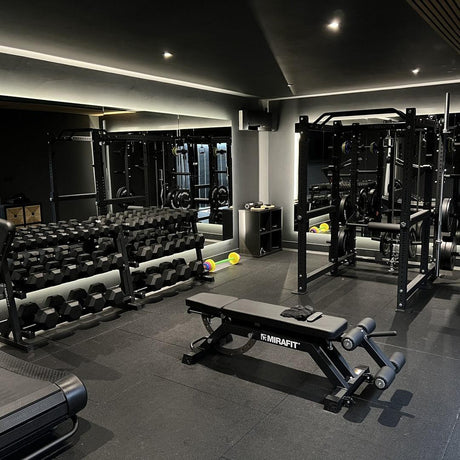
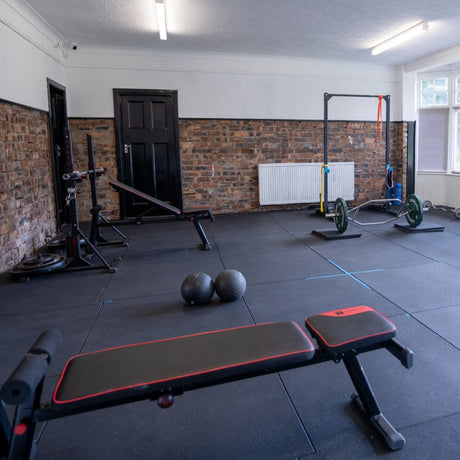
Sprung Gym Flooring has floored more than 55,000 UK home gyms, and most of them start the same way: a spare room, a garage or a shed, a hard cold floor, and the question of what goes on top of it. The short answer for most home gyms is 20mm rubber tiles — thick enough to protect the floor and quiet the noise, thin enough that doors still open. Everything on this page follows from that starting point.
What's the best flooring for a home gym?
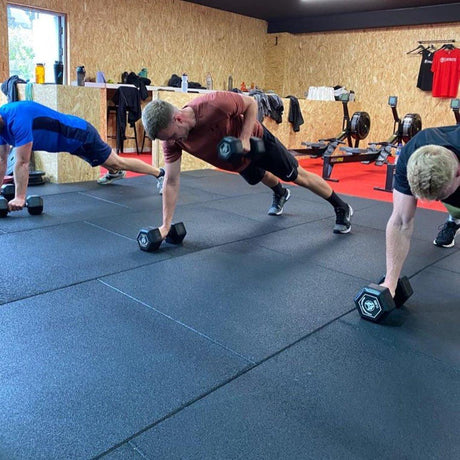
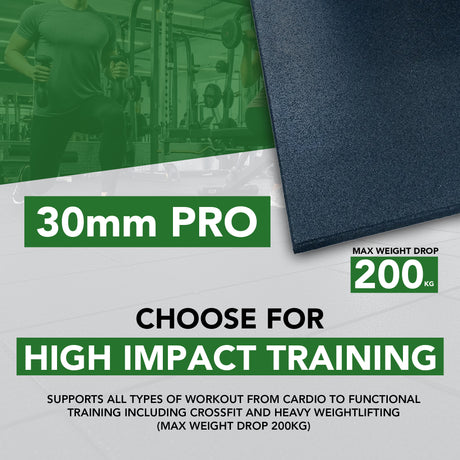
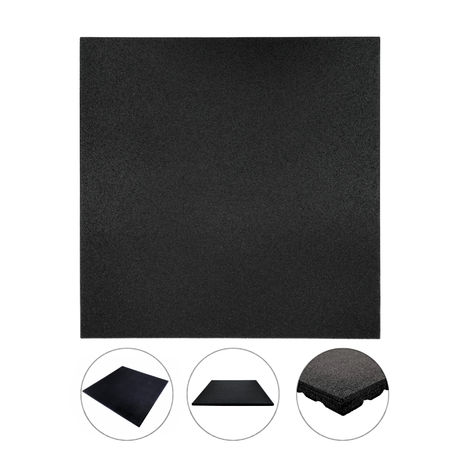
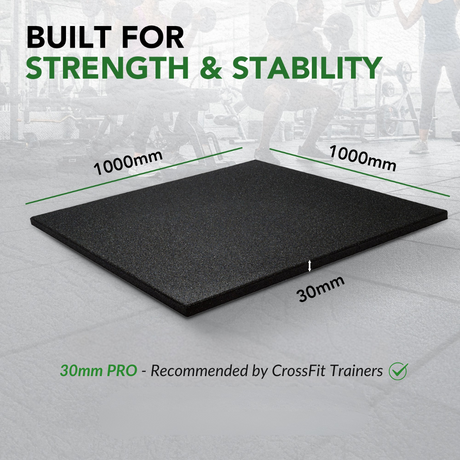
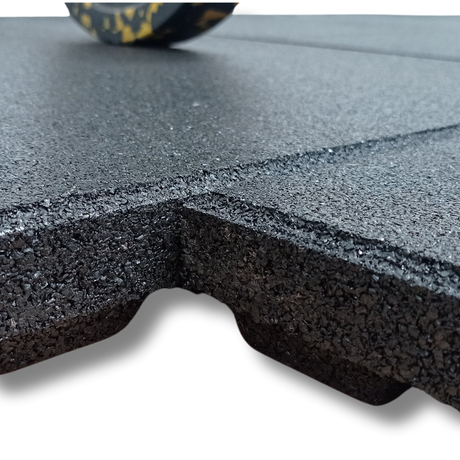
For general training — dumbbells, a bench, a bike, bodyweight work — Sprung's 20mm rubber tiles are the best all-round home gym flooring: dense enough to take dropped dumbbells, grippy underfoot, and straightforward to fit yourself in an afternoon. Go thicker only where you drop loaded barbells: 30mm in a deadlift corner does the job without paying for depth the rest of the room doesn't need. For stretching and cardio-only spaces, foam mats are lighter, warmer and cheaper — just keep them away from the iron. (For what other buyers actually choose, see our best-selling gym flooring.)
Which rooms work — and what each one needs
Spare rooms and bedrooms: 20mm rubber over carpet or boards; noise travels through ceilings, so if there's a room below, the thicker AntiShock range in our soundproof flooring collection is built exactly for that. Garages: cold concrete and damp change the picture enough that we've written it up separately — see garage gym flooring. Sheds and garden rooms: the growing favourite; damp-proofing matters more than thickness there — covered under shed flooring. Conservatories and kitchens: fine for tiles, but choose lighter colours in sun-facing rooms as dark rubber warms quickly behind glass.
Can you put home gym flooring over carpet?
Yes, with the right approach — firm rubber tiles sit stable over most carpets, though deep pile needs a stiffening layer under free-weight areas. Sprung's full guide to gym flooring over carpet covers pile depths, equipment weights and what actually goes wrong, because it's the single most-asked home gym question we get.
How much do you need — and how to measure
Measure the room in metres, multiply length by width, and add 5% for cuts and mistakes. Sprung's tiles are sold by the square metre with free samples available, so you can check colour and firmness against your actual floor before committing. Free delivery on orders over £250 covers a typical single-room gym.
FAQs
How thick should home gym flooring be? 20mm for general training; 30mm or more only in zones where loaded bars come down from height. Thickness beyond your training style is money spent on protection you won't use.
Will gym flooring damage the floor underneath? The opposite — that's its main job. Sprung's rubber tiles spread point loads and stop dents, scratches and cracked screed. On new wood or vinyl, a thin membrane underneath prevents any rubber contact marks.
Is rubber or foam better for a home gym? Rubber under anything heavy; foam for comfort-first spaces. Most complete home gyms use both — rubber under the weights, foam mats in the stretch zone.
Do I need underlay under home gym flooring? Usually no — 20mm rubber is its own underlay. The exceptions are noise-sensitive rooms (acoustic underlay helps) and very uneven floors (self-levelling first).