

 Sale
Sale20mm PRO Rubber Gym Flooring Tiles – Smooth Top Surface - UK's Top Rated
£32.95£42.44Unit price /Unavailable
![20mm PRO Interlocking Gym Tiles – Connection Inserts Included]()
![20mm PRO Interlocking Gym Tiles – Connection Inserts Included]() Sale
Sale20mm PRO Interlocking Gym Tiles – Connection Inserts Included
From £14.75£18.44Unit price /Unavailable-
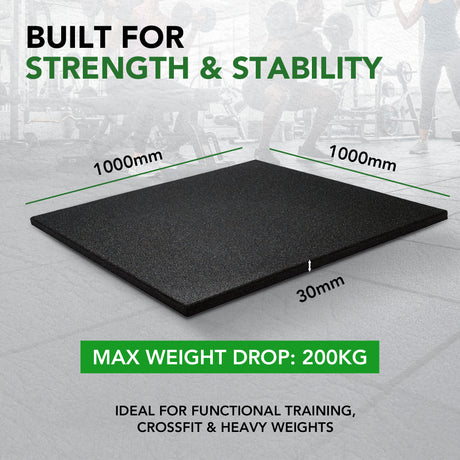
![30mm Sprung PRO Gym Floor Tile - Rubber Heavy Duty Gym Flooring GYM FLOORING GymFloors 30mm Heavy Duty Tile]()
![30mm Sprung PRO Gym Floor Tile - Rubber Heavy Duty Gym Flooring GYM FLOORING GymFloors 30mm Ramp]() Sale
Sale30mm Sprung PRO Gym Floor Tile - Rubber Heavy Duty Gym Flooring
From £32.99£41.24Unit price /Unavailable -
![30mm PRO Anti-Shock Gym Floor Tile]() Sale
Sale -
![30mm Sprung PRO Interlocking Gym Tiles - Connection Inserts Included GYM FLOORING GymFloors Standard]() Sale
Sale30mm PRO Interlocking Gym Tiles – Connection Inserts Included
£71.00£88.75Unit price /Unavailable -
Sale
15mm Sprung PRO Gym Flooring - Sprung Rubber Heavy Duty
£31.99£39.98Unit price /Unavailable -
Sale
-
Sale
-
Sale
-
![Sprung Fleckz Gym Rubber Matting Roll - Various Colours | Thicknesses - 1.25m Width]()
![Sprung Fleckz Gym Rubber Matting Roll - Various Colours | Thicknesses - 1.25m Width]()
![Sprung Fleckz Gym Rubber Matting Roll - Various Colours | Thicknesses - 1.25m Width GYM FLOORING Sprung Gym Flooring 6mm Yellow]()
![Sprung Fleckz Gym Rubber Matting Roll - Various Colours | Thicknesses - 1.25m Width GYM FLOORING Sprung Gym Flooring 6mm Green]()
![Sprung Fleckz Gym Rubber Matting Roll - Various Colours | Thicknesses - 1.25m Width GYM FLOORING Sprung Gym Flooring 6mm Blue]()
![Sprung Fleckz Gym Rubber Matting Roll - Various Colours | Thicknesses - 1.25m Width GYM FLOORING Sprung Gym Flooring 6mm Blue]()
![Sprung Fleckz Gym Rubber Matting Roll - Various Colours | Thicknesses - 1.25m Width]()
![Sprung Fleckz Gym Rubber Matting Roll - Various Colours | Thicknesses - 1.25m Width GYM FLOORING Sprung Gym Flooring 8mm Blue]()
![Sprung Fleckz Gym Rubber Matting Roll - Various Colours | Thicknesses - 1.25m Width GYM FLOORING Sprung Gym Flooring 6mm Blue]()
![Sprung Fleckz Gym Rubber Matting Roll - Various Colours | Thicknesses - 1.25m Width]()
![Sprung Fleckz Gym Rubber Matting Roll - Various Colours | Thicknesses - 1.25m Width GYM FLOORING Sprung Gym Flooring 8mm Blue]()
![Sprung Fleckz Gym Rubber Matting Roll - Various Colours | Thicknesses - 1.25m Width GYM FLOORING Sprung Gym Flooring 6mm Blue]() Sale
SaleSprung Fleckz Gym Rubber Matting Roll - Various Colours | Thicknesses - 1.25m Width
From £592.54£740.67Unit price /Unavailable -
![Black Puzzle Interlocking Floor Mats Jigsaw Mats - 10mm GYM Sprung Gym Flooring Default Title]() Sale
Sale -
![Black Puzzle Interlocking Gym Floor Mats Jigsaw Mats - 15mm GYM Sprung Gym Flooring Default Title]() Sale
Sale -
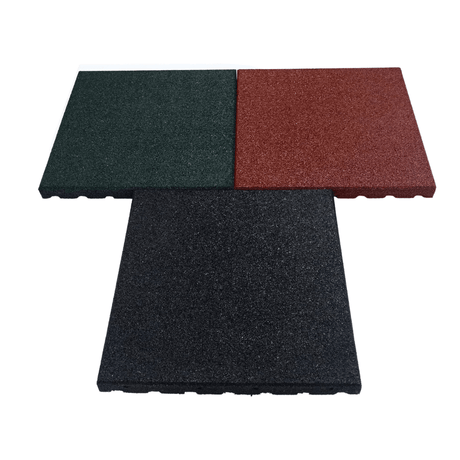
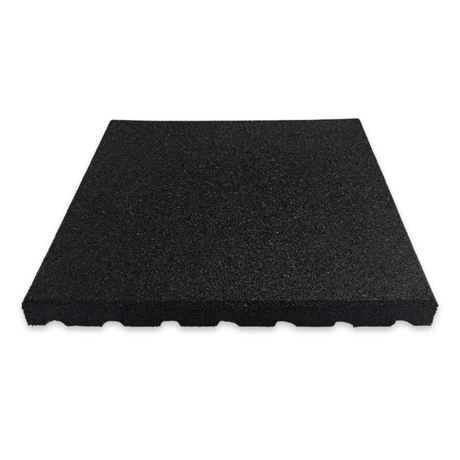
![Sprung Gym Mats 30mm in 3 Colours | 50cm x 50cm Playground Tiles Sprung Gym Flooring Black]()
![50cm x 50cm Gym Flooring Mats – 3 Colours]()
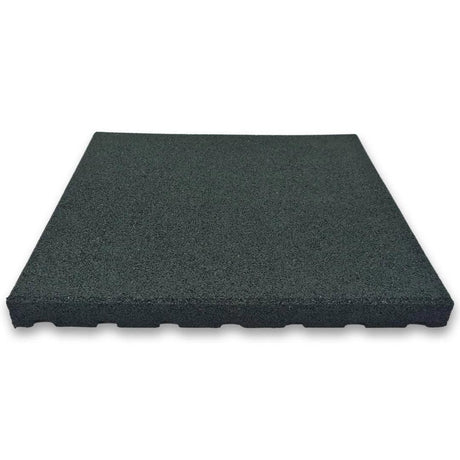
![Sprung Gym Mats 30mm in 3 Colours | 50cm x 50cm Playground Tiles Sprung Gym Flooring Green]()
![50cm x 50cm Gym Flooring Mats – 3 Colours]()
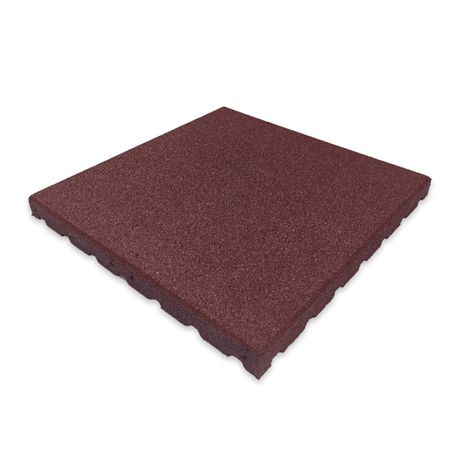
![Sprung Gym Mats 30mm in 3 Colours | 50cm x 50cm Playground Tiles Sprung Gym Flooring Red]()
![50cm x 50cm Gym Flooring Mats – 3 Colours]() Sale
Sale -
Sale
-
Sale
-
![Sprung Konnecta Velvet Black Premium Gym Flooring Mats - 20mm GYM FLOORING GymFloors 20 mm - 1000 mm x 1000 mm]()
![20mm Konnecta Velvet Black Gym Flooring Mats]()
![20mm Konnecta Velvet Black Gym Flooring Mats]() Sale
Sale




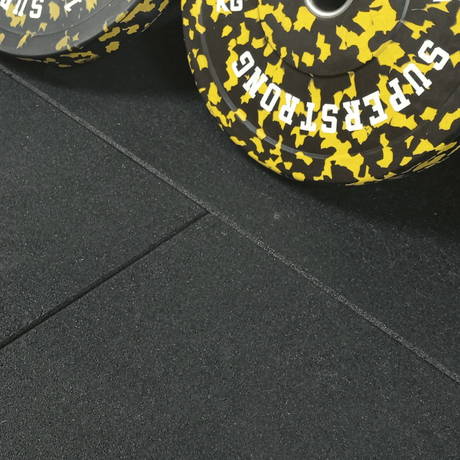


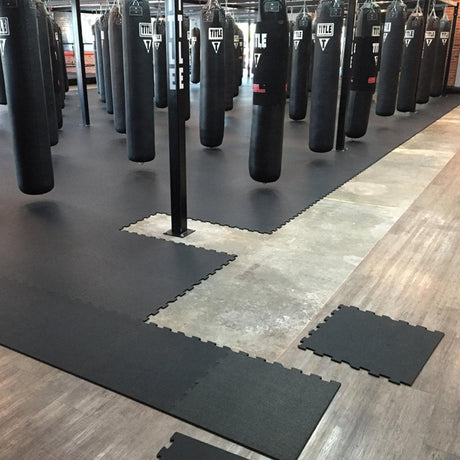
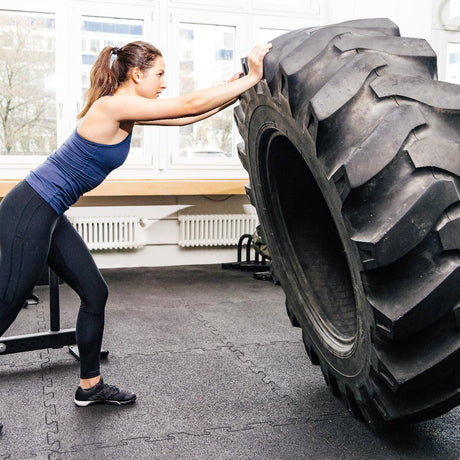
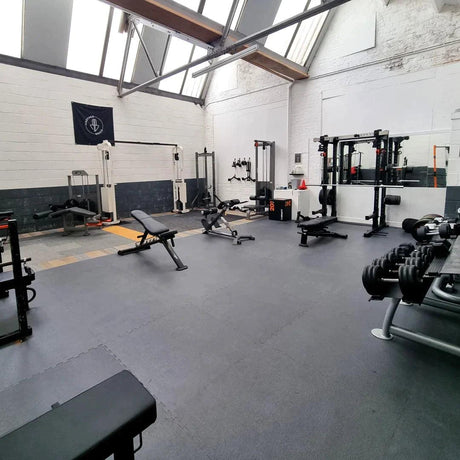
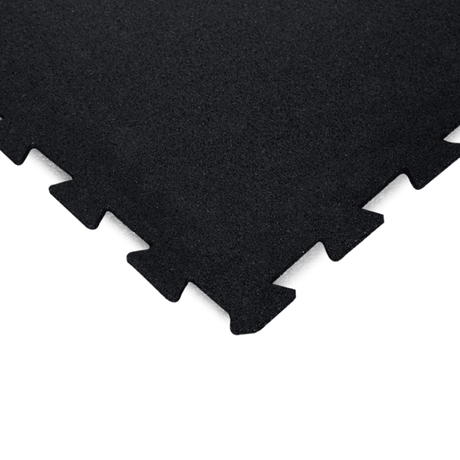
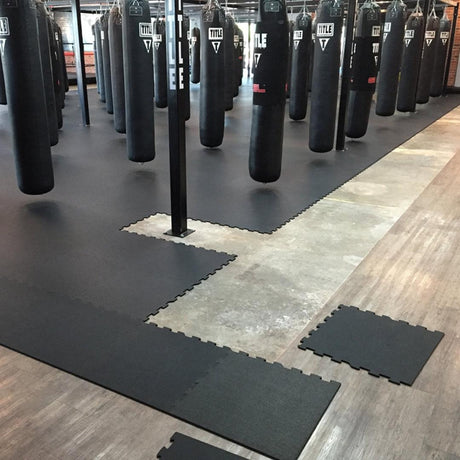




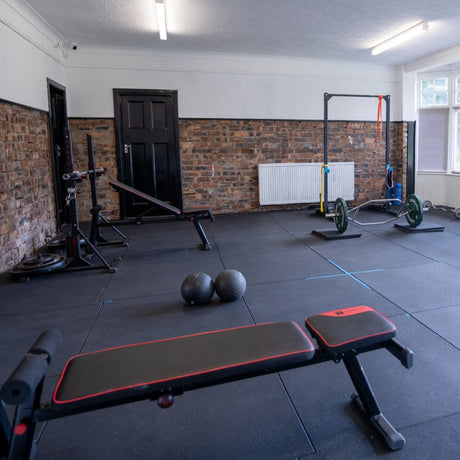

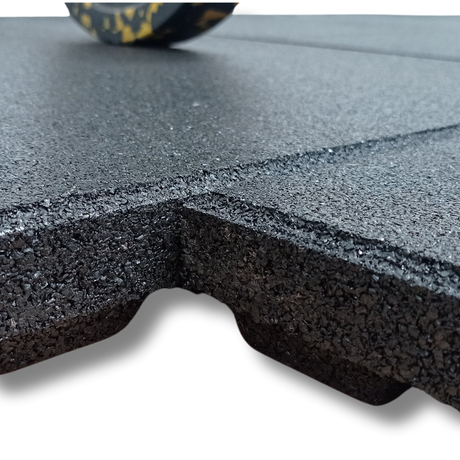


First-class product and serviceVery good quality product and A* customer service from Richard, who helped me to pick how many tiles I would need, as well as advice on how to effectively lay, having shown him my space. Would highly recommend to anyone looking to build a gym. ⭐⭐⭐⭐⭐ |
Great qualityGreat flooring, excellent quality and easy to fit with no need for gluing. Looks and feels great. Have this in my indoor gym room, doesn’t feel too cold and vacuums and wipes easily. ⭐⭐⭐⭐⭐ Dawn L. |
Thrilled with my purchaseI bought this for my home gym and started using it. It is great for absorbing impact from cardio workouts as well as using weights on it. I also do not need floor mat to do a floor workout like sit-ups and planks. It looks great and non-slippery and extremely easy to install. Overall perfect for my needs. ⭐⭐⭐⭐⭐ Onay D |
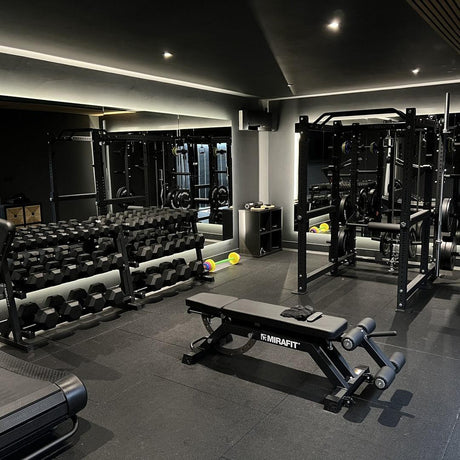
Create a safer, quieter and more durable workout space at home with our range of home gym flooring and mats. Whether you are converting a spare room, garage, garden room, apartment corner or dedicated strength area, the right floor protects your subfloor, supports your equipment and makes training feel more comfortable from the first session.
Our home gym flooring range includes rubber gym tiles, interlocking mats, anti-shock tiles and rubber rolls for light exercise, free weights, functional training, cardio machines and heavy lifting.
Choose from easy-fit DIY options, high-density rubber surfaces and impact-absorbing tiles designed for regular use in real homes.
Home Gym Rubber Flooring
Rubber flooring is one of the best choices for home gyms because it gives you a strong, stable and low-maintenance surface for training. It helps protect timber, concrete and existing hard floors from equipment marks, dropped weights and repeated foot traffic, while also improving grip underfoot.
For general home workouts, rubber tiles or mats offer a practical balance of comfort, durability and easy installation. For heavier weight training, thicker rubber gym flooring provides better impact absorption and helps reduce the risk of damage to the floor below.
Home gym rubber flooring is suitable for:
- Spare room gyms
- Garage gym conversions
- Garden room gyms
- Apartment workout areas
- Small-space home gyms
- Free weight zones
- Cardio and equipment areas
- Functional training spaces
Browse Top-Rated 5-Star Reviews for the Best Home Gym Flooring UK
Home gyms are no longer limited to a yoga mat in the corner of a room. More people are creating dedicated workout areas at home, from compact apartment setups to full strength training spaces with racks, benches and free weights.
The floor is one of the most important parts of that setup. It needs to suit the room, the type of training you do and the level of impact involved. A cardio corner, yoga area or light dumbbell space will not need the same flooring thickness as a deadlift platform or heavy free weights zone.
At Sprung Gym Flooring, we stock home gym flooring mats and tiles for a wide range of home fitness spaces, helping you choose the right surface for your training style, equipment and subfloor.
What Thickness Is Best for Home Gym Flooring?
The best thickness for home gym flooring depends on how you train.
For light exercise, stretching, yoga, Pilates, bodyweight movements and low-impact cardio, thinner rubber mats or rolls can provide a comfortable and protective surface.
For general home gym use, including dumbbells, benches, kettlebells, cardio machines and moderate strength training, 15mm to 20mm rubber gym tiles are a strong all-round choice. They are thick enough for regular use while still being practical for indoor rooms and DIY installation.
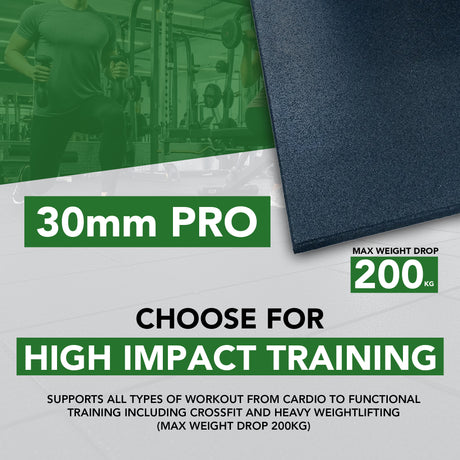
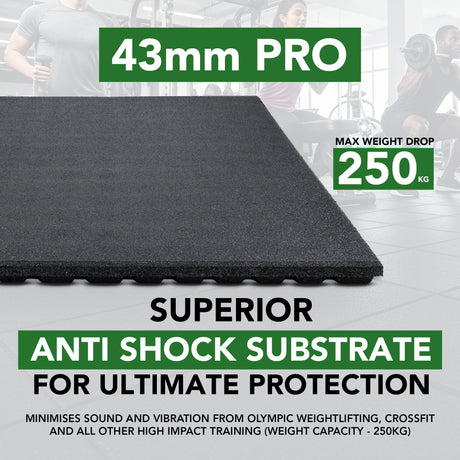
For heavier lifting, Olympic weightlifting, repeated weight drops or deadlifts, choose thicker rubber tiles or anti-shock gym flooring. These are designed to absorb greater impact, help protect the subfloor and reduce vibration through the room.
As a simple guide:
- Light workouts and cardio: 6mm to 11mm rubber rolls or mats
- General home gym training: 15mm to 20mm rubber gym tiles
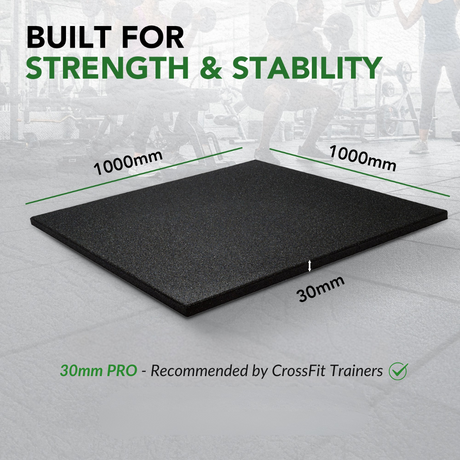
- Free weights and heavier equipment: 20mm to 30mm rubber tiles
- Heavy lifting and weight drops: 40mm+ anti-shock tiles
Anti Shock Rubber Flooring for Home Gym
Anti-shock rubber flooring is designed for home gyms where impact, noise and vibration are a bigger concern. This makes it a good option for heavy lifting zones, garage gyms, garden rooms and high-intensity training spaces.
Thicker anti-shock tiles help absorb the force from dropped weights and reduce the transfer of sound and vibration into the subfloor. This is especially useful if you are training in a residential setting where noise matters, such as a shared home, outbuilding or attached garage.
Anti-shock tiles are also a smart choice if your home gym includes:
- Deadlifts
- Olympic lifts
- Heavy dumbbells
- Kettlebells
- Squat racks
- Functional training
- Repeated impact exercises
For very heavy lifting, thicker rubber tiles give greater protection than standard thin mats and are better suited to repeated high-impact use.
How Well Does Home Gym Flooring Reduce Noise and Vibration?
Rubber gym flooring can help reduce noise by softening impact between equipment and the floor. It is especially useful under free weights, benches, racks, cardio machines and functional training kit.
For light exercise, standard rubber mats can reduce footfall noise and create a more comfortable training surface. For heavier lifting, thicker rubber tiles or anti-shock flooring provide better sound and vibration control because there is more material to absorb impact.
If noise is a major concern, such as in an upstairs room, apartment or attached property, avoid very thin mats for heavy weights. Instead, choose a thicker tile and consider placing the heaviest lifting zone away from shared walls where possible.
Is Home Gym Flooring Suitable for Apartments or Upstairs Rooms?
Yes, home gym flooring can be suitable for apartments and upstairs rooms, but the right product depends on the type of training.
For yoga, Pilates, bodyweight workouts, light dumbbells and compact cardio equipment, rubber mats or thinner tiles can work well. They help improve grip, protect the existing floor and make the space feel more like a dedicated workout area.
For heavier lifting upstairs or in apartments, choose thicker rubber tiles with stronger impact absorption. This helps reduce noise and vibration, but it is still important to train sensibly in shared buildings. Heavy barbell drops may not be suitable for all upper-floor rooms, even with quality flooring.
For flat, apartment or compact room setups, see our gym flooring for apartments and gym flooring for small spaces collections for more tailored options.
Konnecta Interlocking Tiles for Home Gym
Interlocking gym tiles are a practical choice for home gyms because they are quick to fit, stable underfoot and easy to lift or replace if your layout changes.
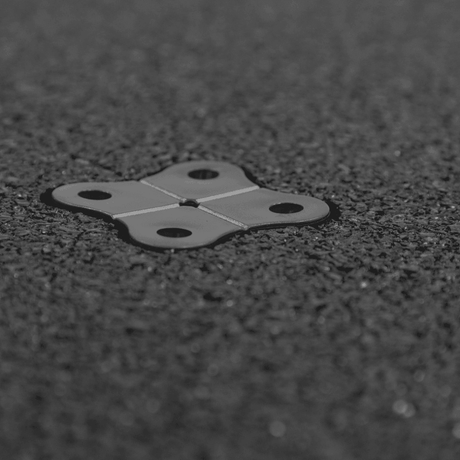
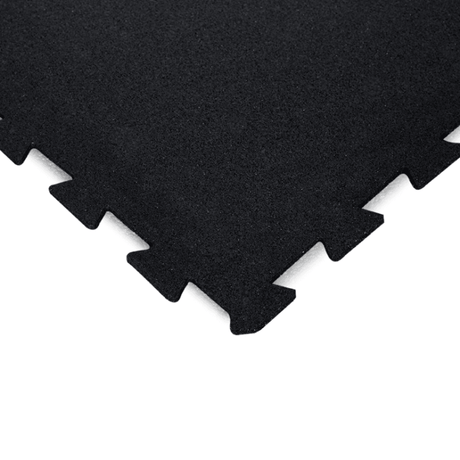
Our Konnecta interlocking tiles use hidden connection inserts to keep the tiles aligned without creating an obvious jigsaw edge across the floor. This gives the space a cleaner, more professional finish while still making installation straightforward.
Interlocking tiles are useful for:
- Spare rooms
- Garage gyms
- Rental properties
- Small home gyms
- Areas where adhesive is not preferred
- Home gym layouts that may change over time
They are a good option if you want a neat, secure floor without committing to a fully bonded installation.
Thick Gym Mats for Home and Commercial
Thick gym mats are best for spaces where the floor needs to handle heavier equipment, repeated impact or more demanding training. In a home gym, this usually means free weights, squat racks, deadlifting, Olympic lifting or functional fitness.
Compared with thinner mats, thick rubber gym mats provide better protection for the subfloor and a more robust surface for regular training. They are also useful beneath larger pieces of equipment such as racks, benches, cable machines, treadmills and bikes.
If your home gym is mostly for stretching, mobility or light exercise, you may not need the thickest option. If your setup includes heavy weights or frequent equipment use, investing in thicker flooring from the start can prevent damage and improve the long-term performance of the space.
Garage vs Indoor Home Gym Flooring
Garage gyms and indoor home gyms often need different flooring considerations.
For garage gym flooring, the floor is usually concrete, so durability, moisture resistance and support for heavy equipment are key. Thicker rubber tiles are often the best choice because they can handle weight racks, benches, machines and regular foot traffic while protecting the concrete below.
For indoor home gyms, comfort, appearance and noise reduction are often just as important as durability. Spare rooms, bedrooms and apartment spaces may benefit from rubber tiles with a cleaner finish, interlocking edges or rolls that sit neatly under cardio equipment.
Choose garage gym flooring if your space needs to cope with concrete floors, heavier equipment and a more demanding training environment. Choose indoor home gym flooring if you want a cleaner, quieter and more comfortable surface for a room inside the house.
Easy Installation for our Home Gym Mats
Many of our home gym mats and rubber tiles are designed for DIY installation. Depending on the product and room size, they can be loose-laid, compression-fitted, connected with inserts or installed with adhesive.
Before fitting your home gym flooring, make sure the subfloor is clean, level and dry. Rubber tiles can usually be cut to size with a sharp utility knife, making it easier to fit around walls, corners, doorways and equipment.
For small rooms or temporary layouts, interlocking or loose-laid tiles can be a good option. For larger spaces, high-impact zones or commercial-style home gyms, adhesive may be recommended for extra stability.
Simple Maintenance for our Gym Rubber Flooring
Home gym rubber flooring is easy to clean and maintain. It is designed to cope with sweat, foot traffic, equipment use and regular workouts without needing specialist care.
For day-to-day cleaning, sweep or vacuum loose dirt and wipe the surface with a damp mop. Avoid harsh chemicals or oil-based cleaners, as these can affect the rubber surface over time.
Rubber flooring is also water-resistant, making it suitable for busy workout spaces where sweat, drinks bottles and cleaning are part of everyday use.
Main Features
- Durable rubber flooring for home gym use
- Suitable for light workouts, free weights and strength training
- Thickness options for different impact levels
- Shock-absorbing surface for equipment and weights
- Helps reduce noise and vibration
- Protects concrete, timber and hard subfloors
- Anti-slip surface for safer movement
- Interlocking tile options available
- DIY-friendly installation
- Low-maintenance and easy to clean
- Water-resistant and sweat-resistant
- Suitable for spare rooms, garages, apartments and garden rooms
- Available in a choice of colours, finishes and tile styles
Applications
Home gym flooring can be used for a wide range of training styles, including:
- Strength training
- Free weights
- Functional fitness
- HIIT workouts
- Cardio equipment
- Treadmills, bikes and rowing machines
- Yoga and Pilates
- Bodyweight training
- Kettlebell training
- Boxing and martial arts
- Garage gym conversions
- Small-space workout areas
- Garden room gyms
Outdoor Home Gym Flooring Options
If you train outdoors or have a garden gym, choose flooring that is suitable for changing weather, moisture and heavier use. Outdoor home gym flooring should be durable, water-resistant and able to cope with temperature changes, equipment and regular cleaning.
For outdoor spaces, rubber tiles with drainage features can be a better choice than standard indoor mats. They allow water to move away from the surface and help keep the area safer and easier to maintain.
FAQ - Home Gym Flooring
Is rubber flooring good for gyms?
Yes. Rubber flooring is one of the best surfaces for home gyms because it is durable, slip-resistant, impact-absorbing and easy to maintain. It helps protect the floor beneath and creates a safer training surface for home workouts.
What is the best thickness for gym rubber flooring?
For light home workouts, 6mm to 11mm rubber flooring may be enough. For most home gyms with benches, dumbbells, cardio machines or moderate weights, 15mm to 20mm is a good choice. For heavy lifting or dropped weights, choose 30mm or thicker anti-shock tiles.
Which flooring is best for heavy weights or deadlifts?
For heavy weights, deadlifts and Olympic lifting, thick rubber tiles or anti-shock gym flooring are best. These provide better impact absorption than thin mats and help reduce the risk of damaging the subfloor.
Can I put rubber flooring over concrete?
Yes. Rubber gym flooring can be installed over concrete as long as the surface is clean, dry and level. This makes it a popular choice for garage gym conversions, outbuildings and basement gyms.
Can I use home gym flooring upstairs?
Yes, but choose the flooring based on your training style. Light exercise and cardio can usually be supported with standard rubber mats or tiles. For heavier lifting upstairs, thicker rubber tiles are recommended to help reduce noise and vibration.
What is the easiest home gym flooring to install?
Interlocking gym tiles and loose-laid rubber mats are usually the easiest to install. They can often be fitted without specialist tools and can be adjusted or lifted if your gym layout changes.
Is rubber gym flooring easy to clean?
Yes. Rubber gym flooring is low-maintenance and can usually be cleaned with a vacuum, soft brush or damp mop. It is water-resistant and suitable for regular home gym use.
What flooring works best for a garage gym?
For garage gyms, thicker rubber tiles are usually best because they can handle concrete floors, heavy equipment, moisture, foot traffic and weight training. If you are building a garage gym, choose a durable tile with enough thickness for your equipment and lifting style.
What flooring is best for a small home gym?
For small home gyms, interlocking tiles or rubber mats are often the most practical option. They are easy to fit, can be cut to size and work well in spare rooms, apartments and compact workout corners.
Find out more by reading:-
Rubber Tiles vs Rubber Rolls: Which Gym Flooring Is Right for You?

Home Gym Flooring vs Commercial Gym Flooring: What’s the Difference?
