

![Black Vinyl Garage Flooring Tiles | Checkerlock, PVC, 495mm x 495mm x 14mm Thick garage floor tiles Sprung Gym Flooring Black]()
![Black Vinyl Garage Flooring Tiles | Checkerlock, PVC, 495mm x 495mm x 14mm Thick garage floor tiles Sprung Gym Flooring Grey]() Sale
Sale-
![Black Vinyl Industrial Flooring Tiles | Pennylock, 495mm x 495mm x 12mm Thick Sprung Gym Flooring Grey]() Sale
Sale 
![Sprung High Traffic Rubber Flooring Tiles - 2.0mm Sprung Gym Flooring 2306 Grey Fleck]()
![Sprung High Traffic Rubber Flooring Tiles - 2.0mm Sprung Gym Flooring 2457 Dark Grey]()
![Sprung High Traffic Rubber Flooring Tiles - 2.0mm Sprung Gym Flooring 1810 Light Grey]() Sale
Sale
![Black Garage Flooring Tiles | Easilock - Leather Effect, 500mm x 500mm x 7mm Thick Sprung Gym Flooring Black]()
![Black Garage Flooring Tiles | Easilock - Leather Effect, 500mm x 500mm x 7mm Thick Sprung Gym Flooring Grey]() Sale
SaleBlack Garage Flooring Tiles | Easilock - Leather Effect, 500mm x 500mm x 7mm Thick
From £9.93£11.16Unit price /Unavailable-
![30mm Sprung gym mats in three colours, 50cm x 50cm]()
![Safety Rubber Tiles - 500mm x 500mm]()
![Heavy-duty rubber tiles for horse washing areas and paddocks]()
![Safety Rubber Tiles - 500mm x 500mm]()
![Safety Rubber Tiles - 500mm x 500mm]()
![Safety Rubber Tiles - 500mm x 500mm]() Sale
Sale -
 Sold outSale
 -
![Safety Rubber Roll GYM FLOORING SuperStrong Fitness 8mm]()
![Safety Rubber Roll GYM FLOORING SuperStrong Fitness 8mm]() Sale
Sale -
![Dog Kennel Flooring Tiles | Interlocking PVC Tiles - 7mm Sprung Gym Flooring Black]()
![Dog Kennel Flooring Tiles | Interlocking PVC Tiles - 7mm Sprung Gym Flooring Grey]() Sale
Sale -
Sale
-
Sale
Ground Protection Access Tiles for Vehicles & Pedestrians
£25.39£31.74Unit price /Unavailable


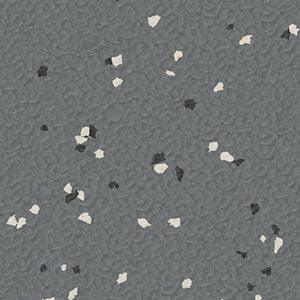
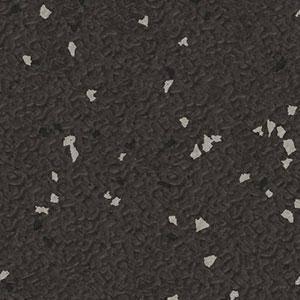





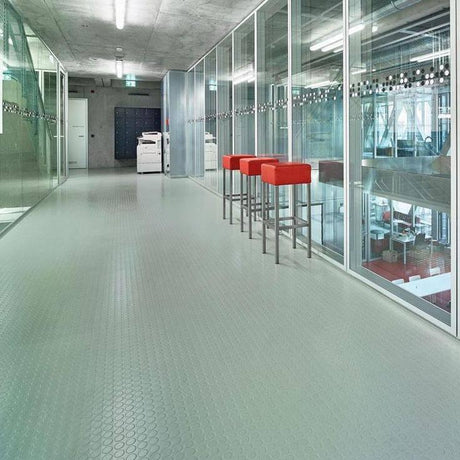
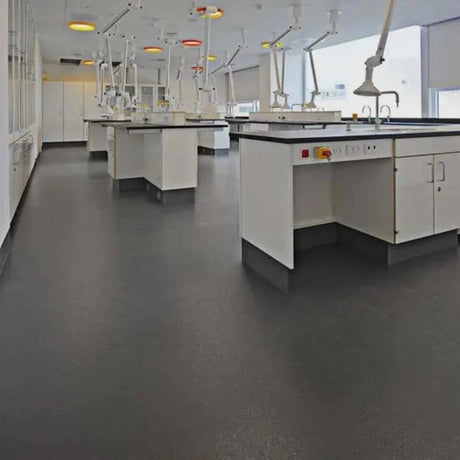
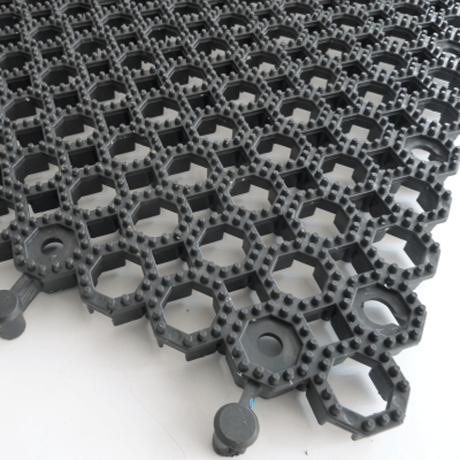
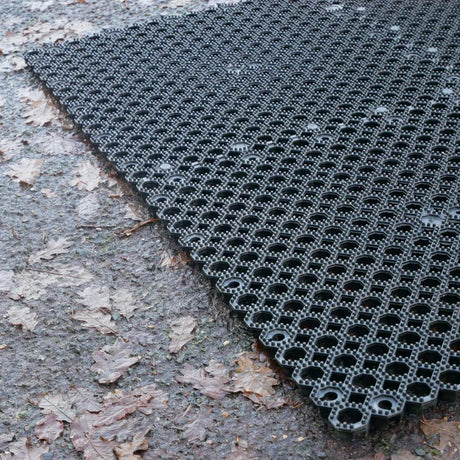
Create a safer, harder-wearing working environment with industrial flooring designed for warehouses, factories, workshops, storage facilities and other demanding commercial spaces.
The right floor protects the underlying surface, supports day-to-day operations and provides a more secure surface for employees moving through busy working areas.
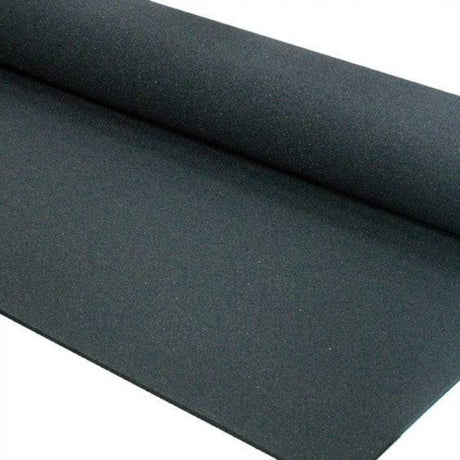
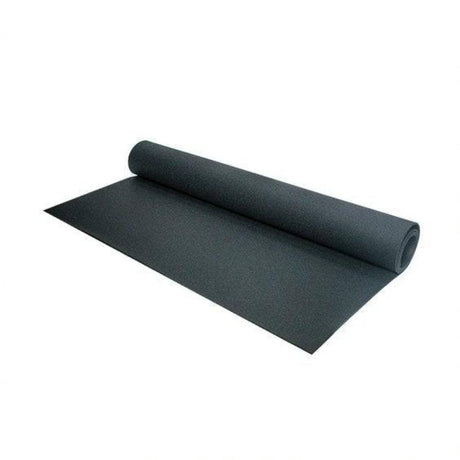
Our industrial flooring range includes durable rubber rolls, safety tiles and interlocking PVC systems for facilities exposed to regular foot traffic, wheeled equipment, machinery and intensive daily use.
Different formats are available because the best surface for a production line may not be the right choice for a loading area, workshop or warehouse aisle.
Before selecting a product, consider the type of traffic using the floor, the condition of the subfloor, whether equipment will remain in fixed positions and how frequently the area needs to be cleaned.
These factors will help determine the most appropriate material, surface texture and thickness.
Industrial Rubber Flooring for Commercial Buildings
Industrial premises place very different demands on flooring from offices and domestic environments. Floors may need to withstand heavy equipment, repetitive movement, dropped tools, storage systems and long working shifts without becoming difficult to maintain.
Dense rubber flooring provides a resilient barrier between daily activity and the structural floor below. It can help reduce surface damage caused by repeated impact while adding grip and cushioning underfoot.
Rubber is particularly useful in operational areas where staff spend long periods standing or where noise from footsteps and light equipment needs to be moderated.
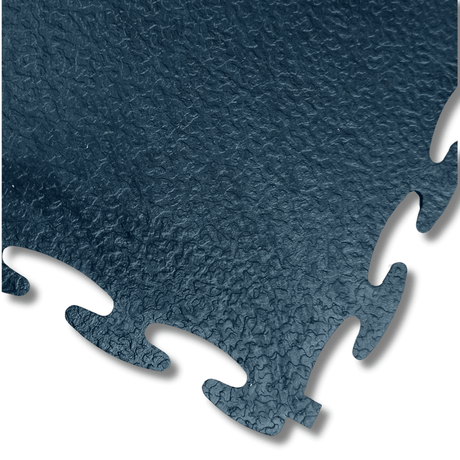
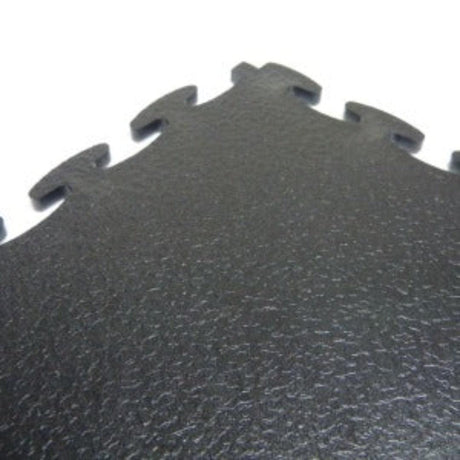
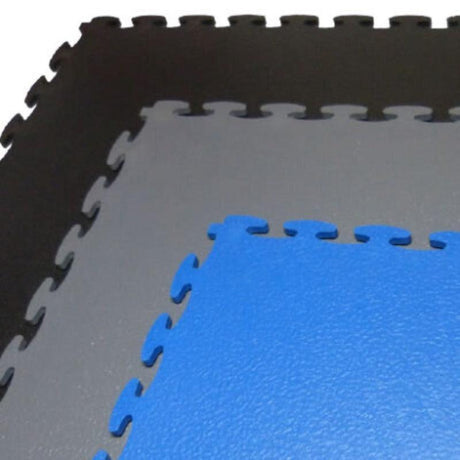
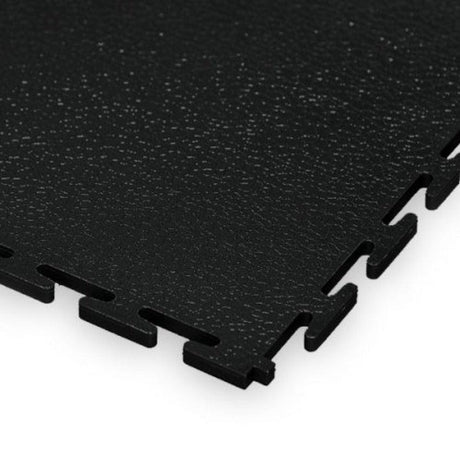
Interlocking PVC flooring offers another practical option for garages, workshops and utility areas. Products such as Pennylock industrial floor tiles and Checkerlock interlocking tiles create a firm, modular surface that can be installed over a suitable existing floor. Their interlocking format allows individual sections to be lifted and replaced if an area becomes damaged.
The collection is suited to:
- Factories and manufacturing facilities
- Warehouses, depots and distribution centres
- Workshops and maintenance areas
- Storage rooms and stock facilities
- Plant rooms and utility spaces
- Commercial garages
- Staff walkways and operational corridors
- Temporary pedestrian and vehicle access routes
Choosing Industrial Flooring for Your Facility
There is no single industrial floor covering that works equally well in every environment. The correct specification should be based on what the floor will encounter during a typical working day.
Foot Traffic and Wheeled Equipment
For corridors, packing areas and pedestrian zones, the priority may be a durable, easy-clean surface that provides dependable grip. Thin high-traffic rubber flooring tiles can refresh suitable commercial subfloors without adding excessive floor height.
Warehouses using pallet trucks, trolleys or other wheeled equipment require a surface that allows wheels to move without catching on raised joins.
The wheel type, total loaded weight and frequency of movement should all be considered before installation. Very small or hard castors may require a firmer surface than areas used primarily by pedestrians.
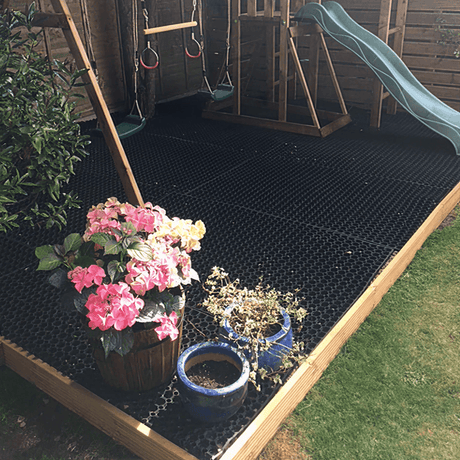
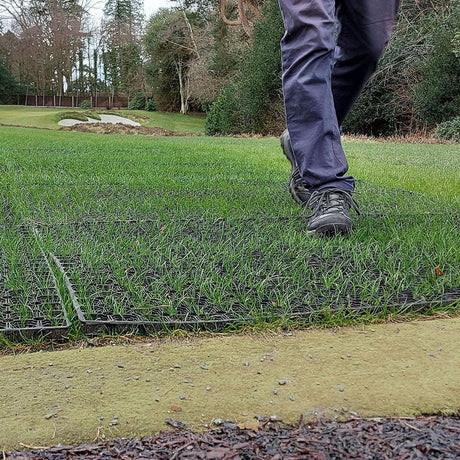
For temporary routes across softer or vulnerable ground, ground-protection access tiles provide a separate solution for creating more stable pedestrian and vehicle pathways.
Machinery and Static Loads
Machinery, shelving and storage equipment can create concentrated pressure at specific points. Check the equipment’s total weight, the size of its feet or base and whether vibration is generated during operation.
A thick floor is not automatically the best choice beneath every machine. Softer materials may compress under narrow feet, while a dense modular tile may provide better stability.
Spreader plates can sometimes be used beneath particularly concentrated loads, although the complete floor build-up should always be assessed before installation.
Equipment that must be precisely levelled or permanently anchored may need to sit directly on the structural subfloor, with the surrounding industrial flooring carefully cut around it.
Impact, Noise and Worker Comfort
Rubber surfaces are valuable in areas where tools, components or other items may be dropped. Their resilient structure helps create a more forgiving surface than exposed concrete and can reduce some of the sharp impact noise produced in hard, echoing buildings.
For larger spaces, safety rubber flooring rolls create a more continuous finish with fewer joins. Rolled surfaces are well suited to open areas and rooms with unusual dimensions, although careful cutting and preparation are important for a neat installation.
Rubber can also make standing areas feel less severe underfoot. However, where reducing fatigue is the main objective, the workplace layout, footwear, shift pattern and surface specification should be considered together rather than relying on flooring alone.
Industrial Flooring Thickness
Thickness should be selected according to the activity rather than simply choosing the heaviest product available.
Thin commercial rubber tiles can be appropriate for pedestrian areas, offices adjoining industrial spaces and light-duty rooms with a sound, level subfloor.
Medium-thickness PVC tiles offer a firmer modular surface for workshops, garages and utility areas. Thicker rubber tiles are more appropriate where additional impact protection or cushioning is required.
The Easilock interlocking flooring system offers a practical 7mm option, while Pennylock and Checkerlock provide heavier PVC formats for more demanding installations. For spaces that need deeper cushioning, safety rubber tiles are available in substantially thicker formats.
Always account for door clearance, thresholds, drainage points and transitions into neighbouring rooms. A thicker floor can provide greater protection, but it may also require ramps or edging to avoid creating an abrupt change in level.
Preparing Concrete Industrial Floors
A flooring system will only perform as well as the base beneath it. Before fitting tiles or rolls, the concrete should be structurally sound, reasonably level and free from loose material.
Remove dust, grease, debris and failing coatings. Cracks, hollows and raised sections should be assessed and repaired where necessary. Installing flooring over an uneven base can cause movement, visible ridges or premature wear around joints.
Moisture is another important consideration. Rubber and PVC surfaces may tolerate occasional surface moisture, but they do not resolve rising damp or water entering through the building structure. Any active moisture problem should be investigated before the floor is covered.
Loose-lay or interlocking products can reduce installation time in suitable areas, while adhesive may be advisable where the flooring will face turning wheels, intensive movement or temperature variation. Follow the relevant product installation instructions and adhesive guidance for the specific site conditions.
Slip Resistance and Surface Safety
Slip resistance depends on more than the flooring material itself. Surface texture, contamination, cleaning methods, footwear and the presence of water or oil all affect how secure a floor feels.
Textured products can provide useful grip in busy industrial areas, but spills should still be dealt with promptly.
Where oils, fuels, chemicals or specialist cleaning agents are present, confirm the product’s compatibility before ordering. A standard recycled-rubber floor should not automatically be assumed to resist every industrial substance.
For areas where slip prevention is a particular concern, the wider anti-slip flooring collection provides additional surfaces designed around grip and stability.
Low-Maintenance Industrial Flooring
Industrial flooring should support efficient cleaning rather than adding another complicated maintenance process. Loose dirt can normally be removed with a vacuum, broom or soft brush, followed by damp mopping with a suitable diluted detergent.
Avoid flooding the surface or allowing cleaning solution to remain between tile joints.
Harsh solvents, abrasive tools and unsuitable chemical cleaners can mark or weaken some rubber and PVC finishes, so cleaning products should be tested in a discreet area first.
One advantage of modular tiles is that localised damage can often be dealt with by replacing the affected section rather than lifting the whole floor. Keeping a small quantity of spare tiles from the original installation can make future repairs easier and maintain a consistent finish.
Cost-Effective Flooring for Warehouses and Factories
The true cost of an industrial floor includes more than the initial price per square metre. Installation time, subfloor preparation, maintenance requirements, expected traffic and the ability to carry out local repairs all influence long-term value.
Interlocking tiles can be economical for phased installations and rooms that may later be reconfigured. Rubber rolls can provide efficient coverage across large open areas, while thicker safety tiles can be reserved for zones that genuinely require additional impact protection.
Facilities needing flooring specifically for storage, distribution or operational training areas may also benefit from our dedicated warehouse flooring solutions. For garages and maintenance spaces, the workshop flooring collection offers options tailored more closely to tools, benches and practical working environments.
For help comparing products, calculating quantities or checking suitability for machinery and traffic levels, contact our customer service team with the dimensions of the space, photographs of the existing floor and details of how the area will be used.
Access Full Specification Library