A single workout can feel heroic, but it is the small choices repeated throughout the day that quietly transform your health. When you build regular movement into daily life, you support physical activity levels without relying on motivation, perfect weather, or a spare hour you rarely have.
This guide is all about everyday movement tips for better health using the little and often method: short bursts, realistic goals, and a daily routine that fits your real life. I will keep it practical, UK-friendly, and focused on what actually works.
Why “little and often” works better than “all or nothing”

The human body responds brilliantly to regular movement. Long periods of sitting or lying down can drag down energy levels, mood, and cardiovascular fitness. But frequent movement breaks, even a few minutes at a time, help you stay physically active and improve physical and mental health.
The best part is that “little and often” is flexible:
- It works at home, at work, and on busy days.
- It builds confidence if you are starting again after a long break.
- It supports a healthier life without needing a full gym session.
You can still exercise regularly if you enjoy it, but you do not have to be perfect to see health benefits.
The baseline to aim for (without getting obsessed)
A useful north star is the well-known target of 150 minutes of moderate intensity aerobic activity per week, or 75 minutes of vigorous intensity activity, plus strength training on at least two days. Many people hear that and think, “When?” The trick is to translate it into real daily life:
- Minutes of moderate intensity add up quickly when you stack short sessions.
- A daily brisk walk can do a lot of heavy lifting for heart health.
- You can gradually increase from where you are now.
What counts as moderate intensity?
Here is the simplest test: you should breathe faster, feel warmer, and your heart rate should rise. You can still talk, but you cannot sing. Brisk walking, cycling on the flat, dancing, and mowing the lawn can all count as moderate intensity activity.
Vigorous is where you breathe hard and speaking in full sentences is tricky.
Everyday movement vs exercise: both matter

Think of your activity in two layers:
- Regular movement: standing, walking, carrying shopping, taking stairs, moving around the house, everyday tasks.
- Planned exercise: brisk walking sessions, aerobic exercise classes, strength training, NHS exercise videos for over 60s, and so on.
For greater health benefits, you want both. But if you are doing very little right now, layer one is the fastest win.
10 ways to stay active using the little and often method

These are designed to help you stay active all day at home and out and about. Pick three today and build from there.
1) Start with a “movement snack” every hour
Set a gentle reminder and do 2 to 5 minutes of movement throughout the day. Keep it easy: walk slowly to start, march on the spot, or do a lap of the house. Short bursts reduce sedentary time and make activity feel normal.
2) Pair movement with a daily trigger
This is how you make a routine in being active. Choose a cue you already do:
- Kettle on? Do 10 sit-to-stands.
- Teeth brushing? Calf raises.
- Waiting for the microwave? Wall press-ups.
It is boring in the best way. It becomes automatic.
3) Turn phone calls into step counts
If I have a call, I stand up. If it is a long one, I pace. Step counts climb fast when you stop treating walking as “extra”.
4) Use the “two-song tidy”
Put on two songs and tidy at a decent pace. It is an everyday task that boosts activity levels, lifts mood, and makes your home nicer. Win-win!
5) Make stairs your secret workout
If you have stairs, use them. One extra trip up and down is a mini dose of aerobic activity. Start with one additional climb per day and gradually increase.
6) Add a brisk walking block you can protect
A daily brisk walk is one of the simplest ways to improve cardiovascular fitness and support healthy weight goals. Aim for 10 minutes. If you feel good, add a few minutes next week. Consistency beats intensity.
"I walk with a group of friends weekly and it not only adds to my activity, it keeps me mentally engaged when life gets busy"
Jen R (Business Owner, 55)
7) Try “kitchen counter strength”
Strength training does not need kit. Use a counter for support and do:
- Sit-to-stands (legs and hips)
- Incline push-ups (chest and arms)
- Supported hip hinges (back and glutes)
Keep your core engaged and move with control. Two short sessions a week is a strong start.
8) Build balance into your day (especially for older adults)
Balance work is a quiet superpower for older adults and anyone wanting to stay independent. While the kettle boils, stand on one leg holding the counter lightly. Swap sides. Simple, effective, and it supports confidence.
9) Make “outdoor minutes” your minimum
On low-motivation days, I aim for a tiny goal: 5 minutes outside. Often it turns into more. Even if it does not, you have still moved, changed scenery, and supported brain health.
10) Keep a “no-zero” rule for tough weeks
Bad sleep, stress levels, deadlines, health conditions, childcare. Life happens. The no-zero rule means you do something small rather than nothing: a few minutes, a short session, a short walk. That is how an active lifestyle survives real life.
How to be active mentally and physically (without adding pressure)

Movement is not just about physical health. It supports mental health, a more positive outlook, and can help you manage stress. If you want a simple way to be active mentally and physically, try this combo:
- Walk and notice: on a short walk, name five things you can see and three things you can hear. This settles a busy mind.
- Move with purpose: do a few minutes of strength training, then stretch and breathe slower.
- Social movement: a walk with a friend counts for fitness and connection.
If you live with mental health conditions, keep goals gentle and focus on showing up. A little prep, like setting shoes by the door, really helps.
A simple weekly routine (little and often style)
If you want structure without overwhelm, here is a realistic weekly template. It fits the idea of short sessions and builds towards physical activity guidelines.
Daily (most days)
- 10 to 30 minutes of walking (split if needed)
- 3 to 6 movement snacks (2 to 5 minutes each)
Twice a week
- 15 to 25 minutes strength training (bodyweight is fine)
- Keep it steady, focus on good form
Once a week
- A longer walk, swim, cycle, or dance session for cardiovascular fitness
- Or two shorter sessions if that is easier
If you are starting from scratch, halve everything. The goal is to gradually increase over time.
Over 50, over 60, or getting back into it

If you are over 50, the “best exercise” is the one you will actually do. In practice, the strongest combo is:
- Walking briskly for heart health and blood pressure support
- Strength training for muscle, joints, and resilience
- Balance and mobility to stay confident and capable in daily life
If you prefer guidance, NHS exercise videos for over 60s can be a great way to follow along at home and build confidence. Alternatively, join a small group personal training class or community workout session, these organised classes are great for consistency and building confidence.
6 Bodyweight Beginner Friendly Exercises You Can Do at Home (No Equipment Needed)
Here are some simple movement recommendations you can easily add into your routine that do not require equipment.

A quick note on your environment (it matters more than people admit)
If you are moving more at home, make it easy and safe:
- Clear trip hazards.
- Wear supportive footwear if you need it.
- If you do home workouts, choose a surface that feels stable, not slippery.
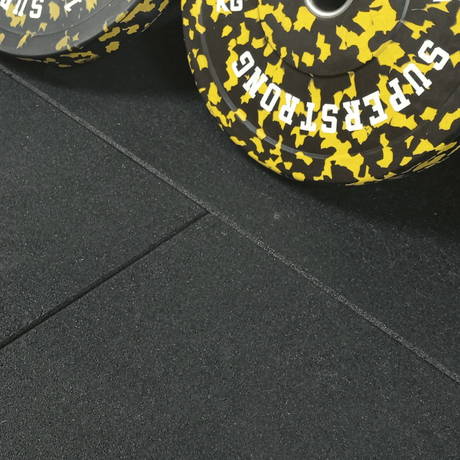
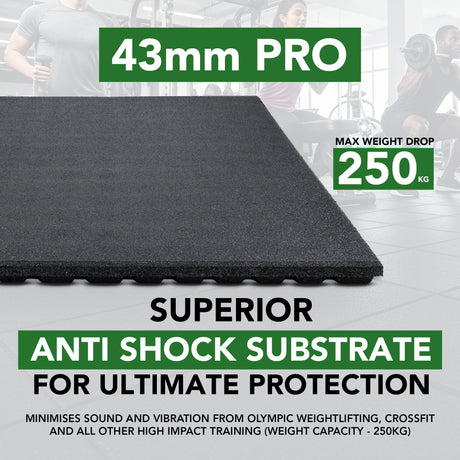
A supportive floor setup can reduce joint irritation and make you more likely to stick with your routine. Comfort helps consistency. Consider setting up a small workout area at home with some protective gym mats and enough room to move around and stretch.
FAQs
What are 10 good daily habits?
Here are 10 that support wellbeing without being extreme: drink water, eat a healthy diet most of the time, walk daily, take movement breaks, sleep at a consistent time, include strength training twice weekly, eat protein and fibre, get daylight early, connect with someone, and wind down screen time before bed.
What are 10 tips for a healthy lifestyle?
Move throughout the day, aim for minutes of moderate intensity each week, reduce sedentary time, add aerobic exercise you enjoy, lift or do bodyweight strength training, keep alcohol moderate, prioritise sleep, manage stress, eat plenty of whole foods, and set realistic goals you can repeat.
What is the 3 3 3 rule for exercise?
People use “3 3 3” in a few ways, but the most common is a simple habit framework: 3 workouts a week, 3 exercises per workout, 3 sets per exercise. It is popular because it is easy to remember and helps you exercise regularly without overthinking.
What three exercises should I do every day?
If you want a simple daily trio, try: brisk walking (even 10 minutes), sit-to-stands (legs and hips), and a gentle mobility move like a chest opener or hip stretch. These cover cardio, strength, and flexibility for daily life.
What is the single most effective exercise for better health?
If I had to pick one, it would be brisk walking because it is accessible, supports cardiovascular health, helps manage stress, and builds a base for other exercise. Add two short strength sessions per week for even greater health benefits.
Looking to build exercise consistency into daily life? Start from the ground up with shock absorbent gym flooring for the perfect foundation.