Strongman is brutally simple on paper and brutally demanding in real life. Carry it. Pull it. Press it. Load it. That is the game. If you want to improve at strongman event training, you need more than random heavy lifts and weekend heroics. You need a clear system that builds strength, sharpens proper technique and prepares your body for awkward objects, heavy weights and real event pressure.
I’ve always believed the biggest mistake lifters make when they start strongman training is treating it like bodybuilding with weirder kit. Strongman events reward power, coordination, grip, leg drive, core strength and mental toughness. They test your full body under fatigue. They punish poor positioning. And they expose gaps fast.
That is why the smartest route is to build a strong foundation first, then layer in event-specific work. Whether your goal is strongman event training for beginners, your first local strongman competitions, or a better weekly structure in the gym, this guide will show you what to do.

Strongman can look chaotic from the outside, but most strongman movements fall into four simple categories: carry, pull, press and load. Once you understand those patterns, strongman event training becomes much easier to programme.
What strongman event training actually involves

At its core, strongman training is about getting strong across multiple movement demands rather than chasing a single max weight in one lift. Yes, strength training matters. So do the main lifts such as squats, deadlifts, bench press and overhead press. But train strongman properly and you also need to practise moving with load, lifting awkward objects and producing force quickly.
Most strongman contests include a mix of:
Carry events
These include farmer’s walks, farmer’s carry, yoke carry and suitcase carry. Carry events challenge grip, core bracing, posture and speed. They also light up multiple muscle groups at once, especially the upper body, trunk and legs.
Pull events
Think sled pulls on a sled track, truck pulls and tyre flip variations. These demand leg strength, body position and the ability to keep pulling hard when your lungs are screaming.
Pressing events
This is where the overhead press takes centre stage. Common options include the log press, axle bar press, push press and circus dumbbell. These overhead events rely on leg drive, timing and a solid pressing position, not just shoulder strength.
Loading events
Atlas stones, sandbag carries, kegs and heavy sandbag to platform work all fit here. Loading events teach you to control awkward objects, stay tight through the midline and finish strong when tired.
That blend is exactly why strongman lifts build such obvious functional strength. You are not just lifting weight. You are moving weight through space, under fatigue, with limited room for error!
The best exercises for strongman event training

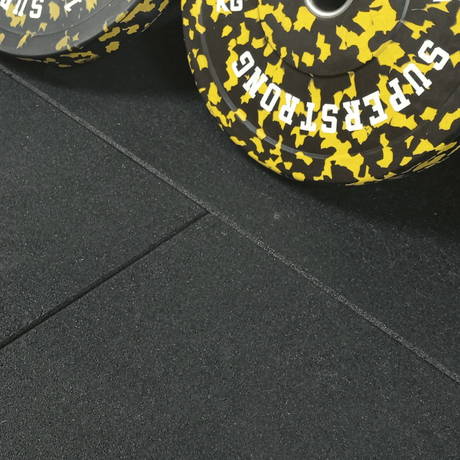
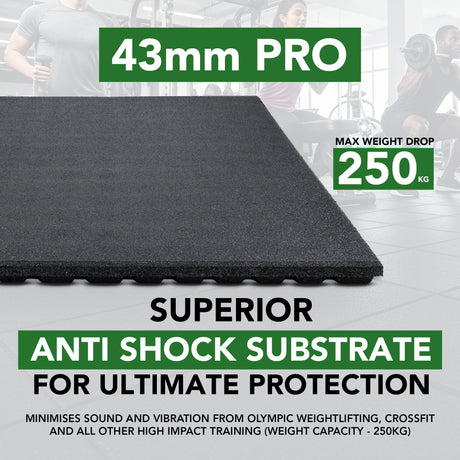
If someone asked me for the top 5 strongman exercises, I would not overcomplicate it. These are the best exercise choices for most athletes who want to start strongman training and improve fast. These can be carried out in a strength training gym, your local gym (if equipment is available) or home gym with heavy duty mats for protection.
1. Farmer’s walks
Farmer’s walks are one of the most useful strongman exercises you can do. They build grip strength, upper body stability, core strength and work capacity all at once. They also carry over beautifully to strongman events and general strength world performance.
How to use them:
Go heavy for short distances one day, then lighter for more reps or longer runs on another day. Focus on tall posture, fast feet and staying tight through the body.
2. Log press and axle bar press
If you want to train strongman, overhead work is non-negotiable. The log press and axle bar force you to control a thicker implement, clean efficiently and press with authority. The push press is a great bridge here because it teaches timing and leg drive.
How to use them:
Make one overhead variation your primary lift for the day. Rotate log press, axle bar and strict or push press blocks over the course of a training cycle.
3. Atlas stones
Atlas stones are iconic for a reason. They demand hip extension, upper back tension, bicep awareness and real commitment. They are one of the clearest markers of strongman potential because they expose whether you can apply strength to awkward objects.
How to use them:
Start with technique on lighter stones or stone trainers. Learn the lap, brace and extension before chasing heavier loads or max reps.
Note: Always use extra thick gym flooring mats to protect floor from damage.
4. Yoke carry
The yoke carry teaches brutal full body tension. It hammers leg strength, trunk stiffness and midline control. It also teaches you to stay calm under crushing load, which matters massively in strongman competitions.
How to use it:
Keep runs short. Prioritise speed and stability over ego. If the yoke is swinging you around, it is too heavy for the training effect you want.
5. Tyre flip and sled pulls
Tyre flip is a classic for explosive movements, pull mechanics and full-body power. Sled pulls are easier to recover from and brilliant for building event conditioning.
How to use them:
Use tyre flip for lower-volume power work. Use sled pulls for drags, backward marches or intervals at the end of training sessions.
The base lifts that support strongman performance
Event work is vital, but it should sit on top of a strong foundation. Strongman programmes work best when the gym builds the engine and the events teach you how to express it.
Your main lifts should include:
Lower body strength
Back squats, front squats and deadlift variations build the leg strength and torso control needed for carry events, loading events and pulls.
Upper body pressing
Bench press helps build pressing power and upper body mass, but overhead press should stay central because so many strongman contests include overhead events.
Pulling strength
Rows, pull-ups and heavy dumbbells for rows help build the upper back needed to stay tight during atlas stones, farmer’s walks and sandbag carries.
Trunk and bracing work
Planks, carries, anti-rotation holds and controlled trunk work help protect the central nervous system from unnecessary fatigue by improving efficiency and position.
Even bicep curls have a place. In strongman event training, stronger arms can help support stone work, loading events and elbow health when volume climbs.
A practical weekly structure for strongman training

A lot of lifters search for a 3 day Strongman program, a 12 week Strongman program or even a Strongman training program PDF because they want something clear and realistic. Here is a simple weekly structure that works well for beginners and intermediates.
3-day strongman programme
Day 1: Press and upper body
Primary lift: log press or axle bar press
Secondary lift: overhead press or push press
Assistance: bench press, rows, pull-ups, bicep curls
Event finisher: circus dumbbell technique or light farmer’s carry
Day 2: Lower body and pulls
Primary lift: deadlift or front squats
Secondary lift: Romanian deadlift or paused squat
Event work: sled pulls, truck pulls if available, or tyre flip
Assistance: hamstrings, trunk work, grip training
Day 3: Event day
Main event focus: atlas stones, yoke carry, farmer’s walks, sandbag carries
Secondary event: loading events or moving medley
Conditioning: short hard runs, drags or repeat carries
This sort of strongman full body workout split gives you enough exposure to events without frying recovery. For most athletes, three quality sessions per week beat six messy ones.
How to progress without burning out
Strongman training should feel hard, but not chaotic. Progress comes from controlling fatigue and building confidence across weeks.
Use this progression model:
Weeks 1 to 4
Build skill and volume. Keep weight moderate. Focus on proper technique, smooth reps and clean movement patterns.
Weeks 5 to 8
Increase weight and lower total reps. Push your primary lift harder. Add tougher event runs and heavier sandbag or atlas stones work.
Weeks 9 to 12
Shift towards event specificity. Practise strongman movements closer to contest style. Use heavier loads, shorter bursts and cleaner execution.
That is the backbone of a sensible 12 week Strongman program. You do not need max weight attempts every week. In fact, constant all-out lifting is one of the fastest ways to stall, annoy your joints and wreck recovery.
Rest days matter too. Your body does not get stronger only during workouts. It gets stronger when it recovers from them.
Strongman event training for beginners
If you are new, keep it simple. Start strongman training with one press, one pull, one carry and one loading pattern across the week. Learn to move well before you try to move the world’s strongest weights.
Here are my basic rules for beginners:
Learn the foundational movement patterns first
Squat, hinge, press, carry and brace. These are your base.
Respect technique
Proper technique is not optional in strongman. Awkward objects punish lazy positions.
Build grip from day one
Grip gives out before strength surprisingly often. Farmer’s walks, axle bar holds and dead hangs all help.
Use available strongman equipment creatively
No atlas stones? Use a heavy sandbag. No yoke? Front rack carries or safety bar carries can help. No circus dumbbell? Heavy dumbbells still build the pattern.
Stay injury free by progressing patiently
It is tempting to chase the big lifts straight away. Don’t. Build steadily, stay consistent and let your body adapt.
“Never think it’s too late to be part of the fun.” (Michael Gill - Strongman Coach/Barend)
And yes, 35 is absolutely not too old to start strongman. If your fitness level allows you to train safely and consistently, you can make excellent progress.
Final thoughts
Strongman event training is not about copying the world’s strongest athlete and hoping for the best. It is about building a strong foundation, training the right events, respecting recovery and getting brutally good at carry, pull, press and load.
Do that, and everything changes. Your grip improves. Your core strength improves. Your leg drive improves. Your confidence improves. Most importantly, your strongman training starts to look like it has purpose!
If you want better results, stop treating events like an afterthought. Make them part of a clear weekly structure, train them with intent, and watch your performance rise.
Build a foundation for Strongman workouts with Anti Shock gym mats, heavy duty gym flooring tiles that support ultra heavy lifting and high intensity training.
FAQ
How do you train for strongman events?
Train with a mix of base strength work and event-specific practice. Focus on overhead press, carries, pulls, loading events and strong trunk bracing. Build skill first, then add weight gradually.
Is 35 too old to start strongman?
No. Many people start in their thirties or later and still do very well. The key is to match the training to your current fitness level, recover properly and progress sensibly.
What are the top 5 strongman exercises?
A great starting list is farmer’s walks, log press, atlas stones, yoke carry and tyre flip. These cover carry, press, load and pull patterns that appear across many strongman contests.
How many hours a day do strongmen train?
Competitive athletes may train longer, but most recreational lifters only need 60 to 90 minutes per session, three to four times per week. Quality matters more than marathon sessions.
How long does it take to get a strongman physique?
That depends on your starting point, nutrition, body weight goals and training consistency. Most people notice visible changes in strength, muscle and posture within a few months, but building a true strongman look usually takes much longer.