


![20mm Java Black Rubber Gym Flooring Tiles with Recycled Coffee Grounds [Pre-Order] GYM FLOORING Sprung Gym Flooring](data:image/svg+xml,%3Csvg%20xmlns='http://www.w3.org/2000/svg'%20viewBox='0%200%20900%20900'%3E%3C/svg%3E) Sale
Sale20mm PRO Rubber Gym Flooring Tiles – Smooth Top Surface - UK's Top Rated
£33.95£42.44Unit price /Unavailable-
![20mm PRO Interlocking Gym Tiles – Connection Inserts Included]()
![20mm PRO Interlocking Gym Tiles – Connection Inserts Included]() Sale
Sale20mm PRO Interlocking Gym Tiles – Connection Inserts Included
From £14.75£18.44Unit price /Unavailable -
![30mm Sprung PRO Gym Floor Tile - Rubber Heavy Duty Gym Flooring GYM FLOORING GymFloors 30mm Heavy Duty Tile]()
![30mm Sprung PRO Gym Floor Tile - Rubber Heavy Duty Gym Flooring GYM FLOORING GymFloors 30mm Ramp]() Sale
Sale30mm Sprung PRO Gym Floor Tile - Rubber Heavy Duty Gym Flooring
From £32.99£41.24Unit price /Unavailable -
Sale
-
Sale
-
Sale
-
![30mm Sprung PRO Interlocking Gym Tiles - Connection Inserts Included GYM FLOORING GymFloors Standard]() Sale
Sale30mm PRO Interlocking Gym Tiles – Connection Inserts Included
£73.00£88.75Unit price /Unavailable -
![30mm PRO Anti-Shock Gym Floor Tile]() Sale
Sale

![20mm Java Black Rubber Gym Flooring Tiles with Recycled Coffee Grounds [Pre-Order] GYM FLOORING Sprung Gym Flooring](http://www.gym-flooring.com/cdn/shop/files/Title_2.png?v=1773994895&width=460)




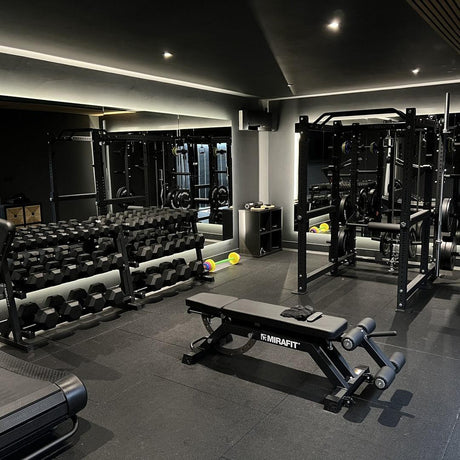
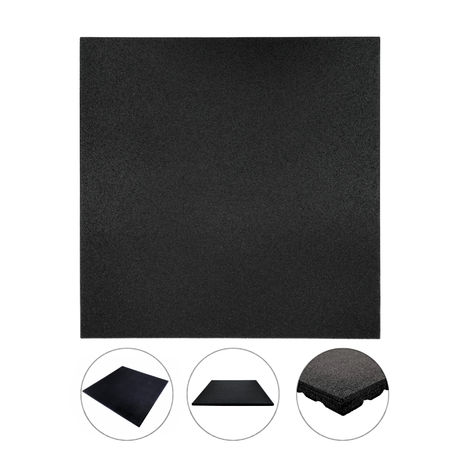
Olympic weightlifting places exceptional demands on a gym floor. During snatches, cleans and jerks, a loaded barbell may be dropped from overhead repeatedly, transferring substantial impact through the bumper plates and into the surface below. Standard fitness flooring is rarely designed to cope with this level of force.
Our Olympic weightlifting flooring collection brings together heavy-duty rubber tiles suitable for dedicated lifting platforms, strength and conditioning areas, weightlifting clubs, commercial gyms and serious home training spaces.
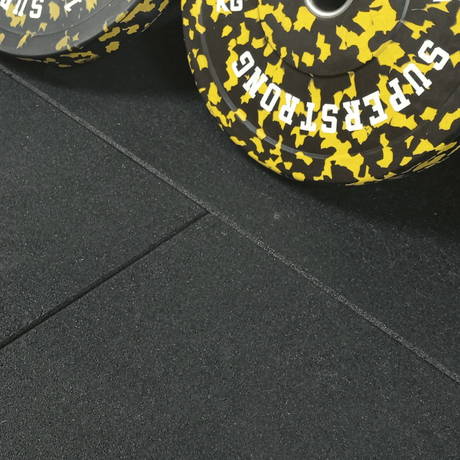
These dense, impact-resistant surfaces help protect the subfloor, reduce noise and vibration, support stable foot placement and create a more professional lifting environment.
The collection includes 20mm and 30mm rubber tiles for controlled lifting, alongside thicker anti-shock options for facilities where heavy barbells are dropped regularly.
Choosing the correct specification depends on the weights being used, the frequency of training and the construction of the floor beneath.
The Demands of Olympic Weightlifting
Olympic lifts are fast, explosive movements. Unlike a conventional strength exercise in which the weight remains under control throughout the repetition, the barbell is often released once the lift has been completed.
Even with bumper plates, the resulting impact can damage an inadequately protected concrete, timber or screeded subfloor.
A suitable lifting surface must therefore do more than provide basic cushioning. It needs sufficient density to remain stable beneath the athlete while also absorbing impact when the bar lands. Flooring that is excessively soft can feel unstable during the pull, catch or recovery, while flooring that is too thin may transmit most of the force directly into the building.
Our heavy-duty gym flooring is manufactured for demanding strength environments where durability, stability and subfloor protection are priorities.
The rubber construction also provides useful grip beneath weightlifting shoes, helping the athlete establish a secure starting position without the floor feeling spongy.
What Thickness Is Best for Olympic Weightlifting?
Thickness should be selected according to the maximum load, how the weight will be handled and what lies beneath the training area.
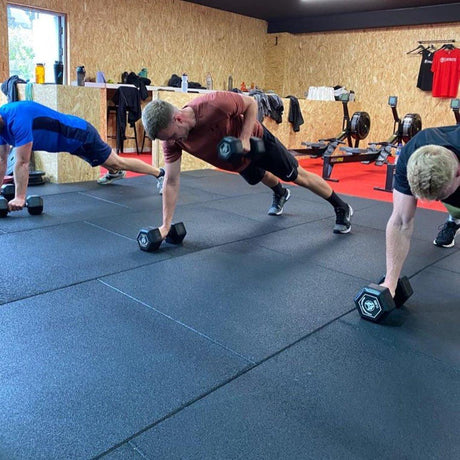
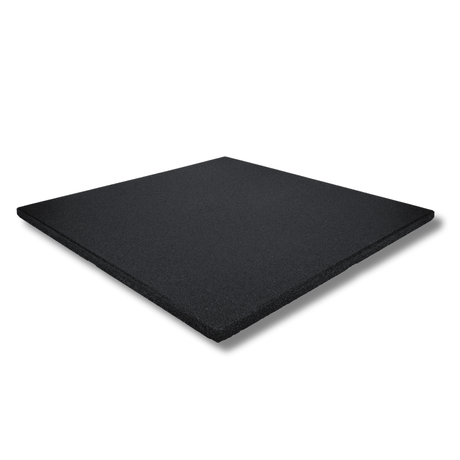
For technical practice, lighter Olympic lifting and general strength work where barbells are returned to the floor under control, 20mm PRO rubber gym flooring tiles provide a firm and durable surface. This thickness can also work well around racks, benches and plate-loaded equipment.
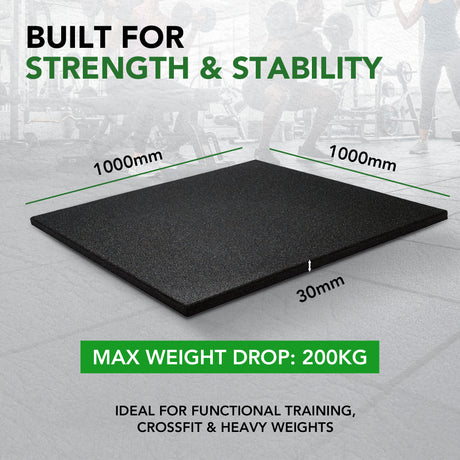
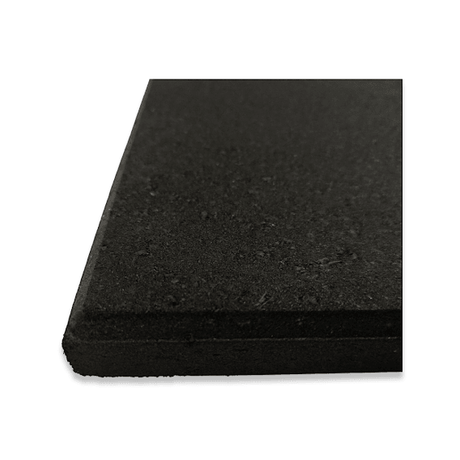
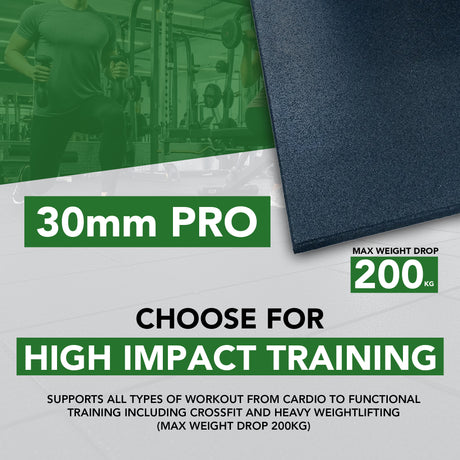
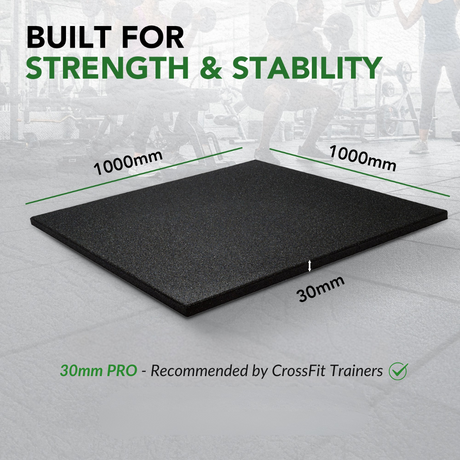
Where heavier barbells are used or weights are dropped more frequently, 30mm flooring provides additional impact protection. Our 30mm Sprung PRO gym floor tiles offer a stronger buffer between the equipment and the structural floor, making them suitable for dedicated lifting zones, strength facilities and busy commercial gyms.
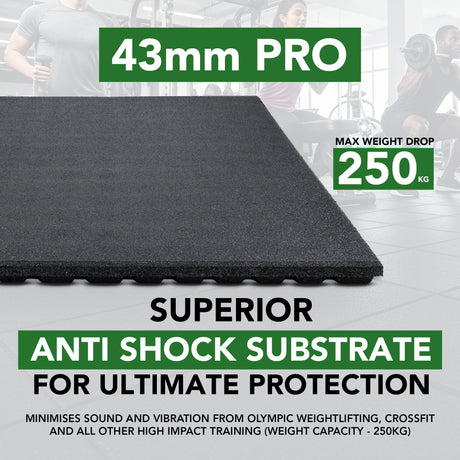
For repeated high-impact drops, thicker anti-shock tiles are generally the more appropriate choice. The 43mm PRO Anti-Shock rubber gym flooring tile uses a heavy-duty construction designed to manage greater lifting loads while limiting the amount of impact transferred into the subfloor.
Facilities handling particularly heavy weights can also consider 50mm PRO Anti-Shock gym mats or 60mm PRO Anti-Shock gym flooring tiles. These thicker surfaces are intended for the most demanding free-weight areas, where maximum shock absorption and protection are more important than maintaining a low floor height.

Shock Absorption and Subfloor Protection
Repeated barbell drops can eventually chip concrete, crack screeds and damage timber-based floor structures. The risk becomes greater when the same lifting station is used throughout the day because the impact is repeatedly concentrated in a relatively small area.
Dense rubber tiles help spread and absorb this force before it reaches the structural floor. This protects the building while also helping to extend the usable life of bumper plates, bars and other equipment. Rubber will not eliminate every vibration, particularly when very heavy weights are dropped in an upper-floor room, but using an appropriate tile thickness can significantly improve impact control.
Where structural vibration or noise transfer is a major concern, the complete build-up should be considered rather than relying on the visible surface alone.
A thicker tile, suitable acoustic layer and carefully positioned lifting zone may all be required. Our soundproof flooring mats include solutions designed for environments where reducing transmitted noise and vibration is especially important.
Stability, Grip and Lifting Performance
Olympic weightlifting begins with force being generated against the floor. The athlete must remain balanced through the first pull, transition, catch and recovery, which makes surface stability essential.
Rubber gym tiles provide a firm, slip-resistant base that supports controlled foot movement while helping prevent lifting equipment from shifting across the room.
The surface is also more forgiving than bare concrete when an athlete drops to a knee, misses a lift or steps away from an unstable bar.
A dedicated lifting platform can combine a rigid central section beneath the athlete with shock-absorbing rubber sections where the bumper plates land.
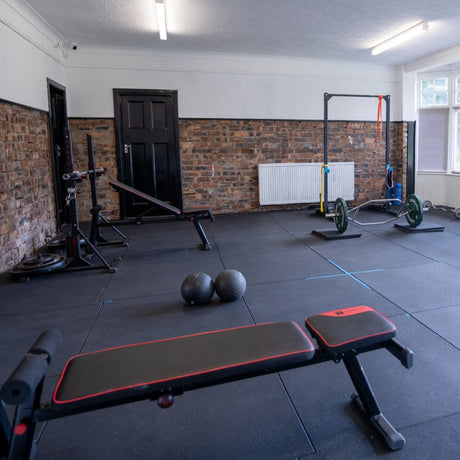
Alternatively, a complete rubber-tiled zone provides greater flexibility, especially in commercial gyms where racks and training stations may be rearranged.
For facilities combining Olympic lifting with squats, deadlifts and accessory strength work, our free weights flooring includes options suitable for broader strength areas rather than a single lifting station.
Reducing Noise and Vibration
The sound of bumper plates contacting the floor can travel through walls, floors and structural columns. In a commercial facility, this may disrupt reception areas, fitness studios or neighbouring businesses.
In a home or garage gym, it can affect adjacent rooms and nearby properties.
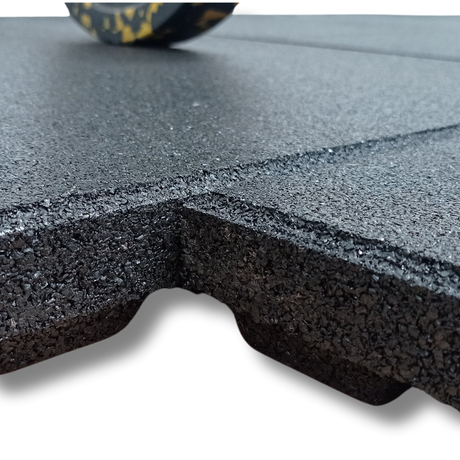
Thicker rubber flooring helps soften the initial impact and reduce the sharpness of the sound. Anti-shock tiles with a structured underside can also create additional space for impact energy to dissipate. However, flooring thickness should be matched to the building and the type of lifting being performed.
Upper-floor Olympic lifting spaces require particularly careful planning. Even substantial rubber tiles cannot compensate for an unsuitable structure, so load capacity, vibration and acoustic transmission should be assessed before installing a lifting zone above ground level.
Interlocking or Straight-Edged Rubber Tiles?
Straight-edged tiles are often used in permanent, wall-to-wall installations where the flooring is tightly contained by the room perimeter. They create a clean, professional surface and can be replaced individually if one part of the lifting zone becomes worn.
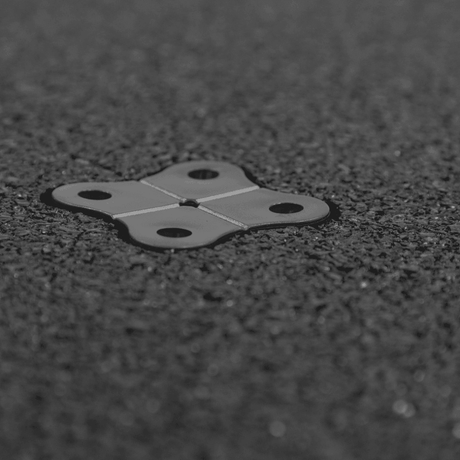
For layouts that require extra lateral security, 20mm PRO interlocking gym tiles use concealed connection inserts to help neighbouring tiles remain aligned. The hidden system maintains a smooth upper surface without exposed puzzle joints.
A 30mm interlocking gym tile offers the same practical installation format with additional impact protection. Interlocking tiles can be particularly useful in open-plan gyms, temporary strength areas and installations that are not fully contained by four walls.
Installation Around Weightlifting Equipment
Before installation, the subfloor should be level, stable, clean and dry. Significant dips or raised areas can cause tiles to rock, separate or wear unevenly under heavy equipment.
Plan the room around the barbell drop zone rather than placing flooring around equipment as an afterthought. Allow enough clear space for the athlete, the full length of the bar and any bounce from the bumper plates. Squat racks and storage should not restrict safe movement away from a missed lift.
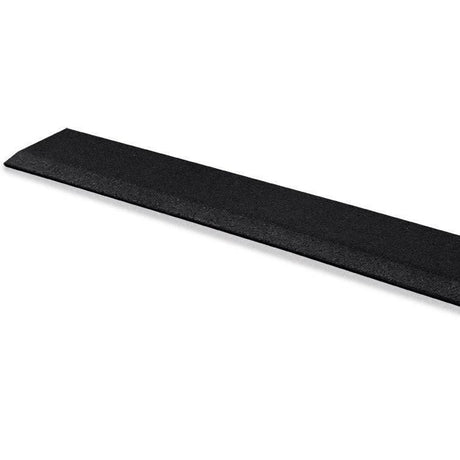
Heavy equipment can normally be positioned directly onto dense rubber flooring, although loads should be spread appropriately and manufacturer guidance followed. Tiles can be cut around walls, pillars and doorways, while ramped or bevelled edge pieces can reduce the trip risk where the flooring finishes within an open room.
The gym flooring accessories collection includes installation products and finishing components that can help create a secure, tidy perimeter.
Cleaning and Maintaining a Weightlifting Floor
Olympic lifting areas accumulate chalk, dust, rubber residue and perspiration, so regular cleaning is important. Loose debris should be vacuumed or swept before the surface is damp-mopped using a mild cleaning solution suitable for rubber.
Avoid saturating the floor, particularly where liquid could travel through tile joints and remain trapped beneath the installation. Harsh solvents, highly acidic products and aggressive scrubbing equipment may affect the rubber surface.
Inspect the main drop zones periodically for movement or uneven wear. One advantage of a modular tile system is that individual sections can be lifted, repositioned or replaced without removing the entire gym floor.
Build a Dedicated Olympic Weightlifting Zone
The right flooring creates a safer and more durable foundation for snatches, cleans, jerks, pulls and other barbell training. It protects the structural floor, supports confident foot placement and makes it easier to manage the noise and impact associated with serious lifting.
Whether you are creating a compact home platform or specifying a multi-station commercial facility, choose the tile thickness according to the heaviest expected load rather than the lightest day-to-day session.
Our Olympic weightlifting collection includes options for controlled technique work, general strength training and repeated heavy drops, allowing each lifting zone to be matched more closely to how it will actually be used.
For a complete setup, weight and bumper plates, barbells and squat racks and power racks can be integrated with the flooring to create a practical, performance-led Olympic lifting space.