At a Glance
- Dense rubber is Reddit’s most frequently recommended flooring material for apartment gyms containing weights or equipment.
- For bodyweight exercise, yoga and stretching, a workout mat or EVA foam may provide enough comfort, but foam is less stable beneath heavy equipment.
- A 15mm to 20mm rubber floor is a practical starting point for general apartment strength training.
- Specialist acoustic tiles offer better vibration control where there are occupied rooms directly below.
- No flooring can make repeated barbell drops completely silent, so training style and workout times still matter.
- Interlocking or loose-laid tiles are particularly useful for tenants because they can be installed without adhesive and removed when moving home.
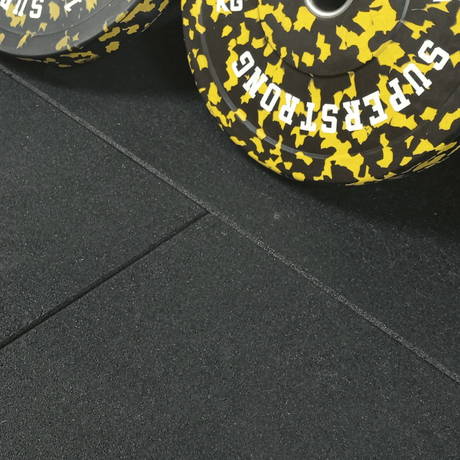
The best home gym flooring for most apartments is dense rubber flooring, ideally supplied as removable tiles between 15mm and 20mm thick. Rubber provides a stable base for benches, dumbbells and compact cardio machines while protecting timber, laminate or vinyl flooring from scratches, dents and repeated pressure.
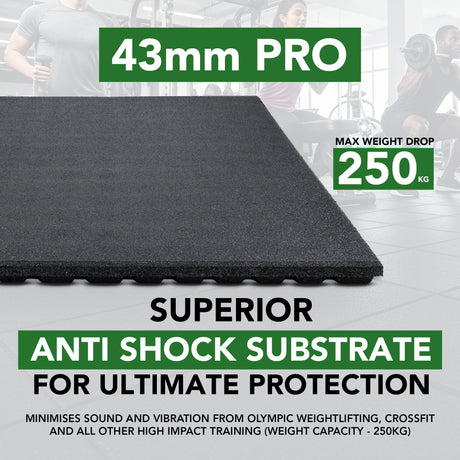
For heavier training or particularly noise-sensitive buildings, thicker acoustic gym flooring may be required. These tiles are designed to reduce the vibration and impact energy created by weights and equipment.
Reddit users repeatedly warn that ordinary foam puzzle mats are not a substitute for dense rubber when lifting. Foam can work for yoga, stretching and low-impact exercise, but it may compress beneath racks, benches and heavier dumbbells.
The main lesson is simple: choose flooring according to the impact your workout creates, not just the size of your apartment.
What Does Reddit Recommend for Apartment Gym Flooring?

Several of the most popular apartment gym discussions on Reddit focus less on appearance and more on stability, neighbour noise and preventing damage to rented floors.
In the r/homegym discussion NY Apartment Gym, which received more than 150 votes, one contributor highlighted the continuing problem of impact noise:
“Only issue is sound on the floor for Olympic lifts and deadlifts.”
The user already had thick rubber flooring, but commenters still recommended crash cushions for Olympic lifting and additional mats for deadlifts. The original poster later confirmed:
“I have 1.5” tile down now.”
This is an important distinction. Rubber can significantly reduce impact and vibration, but dropping loaded barbells in an upper-floor apartment may still be disruptive.
Another apartment setup used a layered floor consisting of insulation, plywood and rubber. In My Apartment/Home Gym During the COVID-19 Outbreak, the poster described:
“20mm rubber gym flooring (absorbs the impact/vibrations, reduces noise).”
The setup also included plywood and folding crash mats. This layered approach helped spread loads, protect the existing floor and soften impact.
A more recent discussion, Best I Can Do in an Apartment, produced another clear recommendation:
“I would get harder flooring like horse stall mats or dense rubber tiles.”
For UK apartment owners, purpose-made rubber gym tiles provide a cleaner, more manageable alternative to agricultural stable mats. They are available in known thicknesses, are easier to plan around a small room and can be supplied with neat edges or hidden connectors.
Reddit’s Favourite Apartment Flooring Options Compared
| Flooring option | Best for | Main advantages | Limitations |
|---|---|---|---|
| Rubber gym tiles | Dumbbells, benches, racks and mixed workouts | Stable, durable, shock absorbing and replaceable | Thicker tiles increase floor height |
| Interlocking rubber tiles | Rented flats and changing layouts | Removable, easy DIY fitting and no permanent adhesive | Requires a reasonably level base |
| Acoustic rubber tiles | Upstairs gyms and noise-sensitive buildings | Better vibration and impact control | Heavier and more expensive |
| Rubber matting roll | Cardio areas and larger open rooms | Fewer joins and a streamlined finish | Thin rolls are not intended for dropped weights |
| EVA foam mats | Yoga, mobility and floor exercises | Soft, light and inexpensive | Can compress beneath heavy equipment |
| Lifting platform and crash pads | Controlled deadlifts or Olympic lifting | Concentrates additional protection in one area | Takes up space and does not guarantee silence |
Is Rubber or Foam Better for an Apartment Gym?
Rubber is the better all-round choice when your apartment gym includes dumbbells, kettlebells, a bench, resistance machines or a rack.
Dense rubber has enough firmness to support equipment without feeling unstable. It also cushions contact between weights and the floor, improves grip and protects the original surface from scuffs and pressure marks.
Foam serves a different purpose. EVA foam is soft and comfortable for stretching, yoga, martial arts and floor-based training. It is not normally the best surface beneath loaded gym equipment because it can compress, separate or develop permanent indentations.
One discussion about a second-floor setup explained the concern clearly:
“They’re squishy and less stable than a sturdy surface.”
You can read the full conversation in Any Concerns About My Small Second-Floor Apartment Gym?.
For a closer comparison of the materials, see Sprung’s guide to rubber vs foam vs vinyl gym flooring.
What Thickness Gym Flooring Do You Need in a Flat?

Thickness should be based on your heaviest equipment, the possibility of dropped weights and the sensitivity of the room below.
| Apartment workout | Suggested starting point | Why |
| Yoga, Pilates and stretching | Exercise mat or 10mm to 20mm EVA | Provides comfort rather than heavy impact protection |
| Bodyweight and low-impact fitness | 11mm to 15mm rubber | Improves grip and protects the existing floor |
| Dumbbells and general strength training | 15mm to 20mm rubber | Offers a stronger balance of stability and cushioning |
| Bench, rack and moderate free weights | 20mm rubber tiles | Supports equipment and absorbs occasional controlled impact |
| High-impact training | 30mm or thicker rubber | Provides greater shock absorption |
| Heavy lifting above occupied rooms | 43mm to 63mm acoustic tiles plus controlled lifting | Better suited to high acoustic demands |
Sprung’s gym flooring for apartments collection includes options for compact workout areas, free weights and rooms where noise reduction is a priority.
The popular 20mm format is suitable for many mixed home gyms, but thickness alone does not determine performance. Rubber density, tile construction, subfloor type and the way weights are handled also affect the result.
Can Gym Flooring Stop Downstairs Neighbours Hearing You?
Gym flooring can reduce impact noise, but it cannot guarantee complete soundproofing.
There are two main types of workout noise:
Airborne noise includes music, voices, clanking plates and equipment motors. Flooring has a limited effect on this.
Structure-borne impact noise is created when feet, dumbbells or equipment strike the floor. This vibration travels through floorboards, joists or concrete slabs. Dense rubber and acoustic tiles are primarily used to reduce this type of noise.
The comments in Apartment Gym Set-Up show why flooring and training behaviour must work together. One apartment gym owner criticised the absence of protection:
“Without any flooring or crash pads.”
The original poster responded that weights were not being banged down and workouts took place at reasonable hours. That combination is important. Even excellent flooring should be supported by controlled repetitions, careful dumbbell placement and consideration for neighbours.
For more detailed advice, read how to train in a flat without annoying your neighbours.
Best Sprung Flooring Options for Apartment Home Gyms

For General Apartment Workouts
A 15mm or 20mm rubber tile is suitable for dumbbells, kettlebells, benches, functional training and compact equipment. Browse the full home gym flooring range to compare formats and thicknesses.
For a Removable Rented-Floor Installation
Interlocking gym flooring is useful where the floor may need to be lifted or rearranged. Hidden connectors secure adjoining tiles without leaving exposed puzzle edges across the surface.
Loose-laid tiles also avoid the need to glue directly to laminate, timber or vinyl. Always check the condition and suitability of the existing floor before installation.
For Cardio Equipment
A dense rubber matting roll can create a neat surface beneath exercise bikes, rowing machines and other controlled-impact equipment.
Thin rubber rolls protect against scratches and equipment movement, but they should not be treated as heavy weight-drop flooring.
For Noise-Sensitive Apartments
The Sprung Decibel Collection includes thicker acoustic rubber flooring for impact and vibration control. These tiles are particularly relevant when the gym is positioned above a bedroom, living room or neighbouring apartment.
For Heavy or Olympic Lifting
Heavy barbell dropping is not appropriate for every apartment, regardless of flooring. Where the building and tenancy allow it, combine suitable Olympic weightlifting flooring with a lifting platform or crash pads.
Sprung’s guide to protecting floors from heavy weights explains how to reinforce the lifting area without covering the entire room in the thickest flooring.
How to Install Apartment Gym Flooring Without Damaging the Floor
For most rented apartments, a floating installation is preferable.
- Clean and completely dry the existing floor.
- Check for loose boards, uneven sections or existing damage.
- Use a suitable protective membrane where required by the flooring manufacturer.
- Lay tiles from a straight wall or central reference line.
- Connect interlocking tiles without adhesive.
- Position heavier equipment carefully rather than dragging it across the surface.
- Check door clearance before choosing thick acoustic flooring.
Avoid trapping moisture beneath rubber and confirm whether your tenancy agreement or building rules restrict exercise equipment, additional floor loads or noise-producing activity.
Sprung’s gym flooring installation guide covers tiles, rolls and interlocking systems in more detail.
Frequently Asked Questions
What is the best flooring for a home gym in a flat?
Dense rubber tiles are the best general option. They provide a stable base, protect the existing floor and reduce some impact noise without requiring a permanent installation.
Are interlocking foam mats suitable for weights?
Foam mats are suitable for stretching, yoga and light exercise. They may compress beneath heavy benches, racks or dumbbells, so rubber is preferable for strength training.
Is 20mm rubber flooring enough for an apartment gym?
For controlled dumbbell and general strength training, 20mm rubber is a practical choice. Heavier impacts or highly sensitive rooms below may require thicker acoustic flooring.
Can I put rubber gym flooring over carpet?
It depends on the carpet. Firm, low-pile carpet may support some tiles, but soft carpet can cause movement and unstable joints. A rigid intermediary layer may be required.
Will rubber flooring damage laminate or wooden flooring?
Rubber should not normally be glued directly to a rented domestic floor. Use a compatible protective layer where necessary and check for possible surface reactions, trapped moisture or colour transfer.
Can I use a treadmill in an upstairs apartment?
It may be possible, but treadmills create repetitive vibration and footfall. Use suitable rubber flooring, check the building rules and consider whether the room below is likely to be disturbed.
How can I make dumbbell training quieter?
Use dense rubber flooring, lower dumbbells under control and avoid dropping them. Dedicated dumbbell pads can add localised protection where weights are repeatedly set down.
Do I need to cover the entire room?
Not always. A defined workout zone can be enough for adjustable dumbbells, a bench or an exercise bike. Full-room flooring is more useful when equipment positions change frequently.
Key Takeaways
- Dense rubber is the strongest all-round apartment gym flooring recommendation from Reddit users.
- Foam is best reserved for yoga, stretching and other low-impact exercise.
- A 15mm to 20mm rubber tile suits many controlled apartment workouts.
- Acoustic tiles provide better protection where impact vibration is the main concern.
- No flooring makes uncontrolled barbell drops completely neighbour-proof.
- Removable interlocking tiles are practical for rented homes and compact workout areas.
Explore Sprung’s dedicated apartment gym flooring to compare rubber tiles, interlocking systems and acoustic options for your available space and training style.