If you want a lean, strong, toned physique, not bulk, you’re in the right place. Many women shy away from strength training because they fear getting “too big.” But the science is clear: with the right approach, you can build lean muscle, boost strength, and even lose fat, all at once.
This guide walks you through what really works: step‑by‑step, simple, effective.
What “Lean Muscle” Means (and Why It Matters)

Lean muscle refers to muscle mass without excessive body fat, giving you strength, tone, and that defined, “fit and healthy” look. Gaining lean muscle helps raise your resting metabolic rate (so you burn more calories even at rest), supports bone and joint health, improves posture, and boosts overall strength and performance.
For most women, that means focusing on muscle growth (hypertrophy) through targeted training, eating enough protein and calories, and allowing adequate recovery.
Step 1: Commit to Strength Training - Resistance Is Key

Why strength training matters
Cardio is great for heart health and burning calories, but resistance training (weights, bodyweight, bands) is essential for building lean muscle. Women who lift weights, or do bodyweight resistance work, can gain similar relative muscle (percentage-wise) as men, even if absolute gains look smaller.
Lifting or doing resistance training does not make you bulky. Instead, it develops strong, toned muscle, improves metabolism, strengthens bones and connective tissue, and helps with long-term health.
What beginners should do
- Start with bodyweight moves: squats, lunges, glute bridges, push-ups (or wall push-ups), planks. These build strength even if you have no equipment.
- As you grow more confident, add resistance bands or dumbbells to increase the challenge.
- Focus on compound exercises that work multiple muscle groups: squats, lunges, deadlifts, rows, push‑ups. These stimulate more muscle groups, making workouts more efficient.
- Follow the principle of progressive overload: gradually increase weight, reps or sets over time so your muscles are constantly challenged.
- Train each major muscle group 2–3 times per week, allowing at least 48 hours between working the same muscles to recover and grow.
Doing resistance training consistently and gradually over weeks will stimulate muscle hypertrophy - the process by which muscle fibres repair and grow larger after being stressed during workouts.
Step 2: Fuel the Process - Eat Enough Protein (and Calories)

How much protein do you need
Protein is the building block of muscle tissue. If you want to build lean muscle, you must give your body the raw materials it needs.
For women doing resistance training, a good guideline is roughly 1.4–1.6 grams of protein per kilogram of body weight per day.
For example, if you weigh 60 kg, that would be about 84–96 g of protein per day.
Research shows that this level of protein intake, combined with resistance training - supports increases in lean body mass (muscle) and strength.
Spread protein across the day
It is most effective to spread protein intake evenly across meals, rather than loading most protein at one meal. Aim for about 0.4 g of protein per kilogram per meal, across at least four meals daily to reach the daily target.
Also, try to include a portion of protein within a couple of hours after your workout to support muscle repair.
Don’t forget overall calories
If you’re lean or underweight, you might also need a slight calorie surplus - eating more calories than you burn, so your body has enough energy to build muscle. Without sufficient calories, extra protein alone won’t build significant new muscle.

Step 3: Plan Your Workouts (At Home or Gym)
Here’s a simple beginner‑friendly workout plan you can use, whether you’re at home or in the gym. Adjust as needed.
Example Plan: 3 Days per Week - Full‑Body or Split Routine
Option A: Full‑Body (Beginner Friendly)
- Squats or goblet squats (3 sets × 10–12 reps)
- Push-ups (or knee/wall push-ups) (3 × 8–12)
- Bent-over rows or band rows (3 × 10–12)
- Glute bridges or hip thrusts (3 × 12–15)
- Plank (3 × 30–60 seconds)
Option B: Simple Push / Pull / Legs Split (3 days/week)
- Day 1 – Push: Squats, push‑ups, shoulder presses, lunges
- Day 2 – Pull: Rows, deadlifts, bodyweight or band pull‑apart, core work
- Day 3 – Legs & Glutes: Lunges, hip thrusts, glute bridges, calf raises
Use light weights or resistance bands at first to master form. Once comfortable, gradually increase resistance as you become stronger.
You can also combine strength training with some cardio or high‑intensity interval training (HIIT) on off‑days to help maintain or reduce body fat while you build lean muscle.
Step 4: Recovery - Build Muscle When You Rest
Muscle doesn’t grow while you lift. It grows while you rest, recover and repair. So recovery is essential.
Here’s how to prioritise recovery:
- Sleep: Aim for 7–9 hours per night. Quality sleep supports hormonal balance and muscle repair.
- Rest days: Don’t train the same muscle groups two days in a row. Give them time to recover.
- Nutrition: Keep protein intake consistent; fuel your body enough so it can rebuild muscle.
- Hydration: Drink enough water, staying hydrated helps nutrient transport and recovery.
- Avoid overtraining: Pushing too hard too often can lead to injuries, burnout, or hindered progress.
Step 5: Monitor Progress & Adjust - Everyone’s Different

Building lean muscle takes time, patience and consistency. Here’s how to track and adjust:
- Use strength gains as a measure: Are you lifting more weight or doing more reps than a few weeks ago? That’s a good sign of progress.
- Track body composition (if possible): Are your clothes fitting differently? Do you feel firmer or more defined? Lean muscle often improves tone rather than huge bulk.
- Tune nutrition: If you’re not gaining strength or muscle, check you are eating enough protein and calories. If you’re gaining unwanted fat, adjust calories slightly lower while keeping protein high.
- Mix up your workouts: After 8–12 weeks, vary exercises or increase intensity to keep progressive overload effective.
Common Myths (Busted!)
- “Lifting weights will make me bulky.” Not true. Women generally produce less muscle‑building hormones than men. With moderate resistance training, you’ll get lean, toned muscle, not bulk.
- “Cardio alone will build muscle.” Cardio is excellent for cardiovascular health but not effective for muscle hypertrophy. Resistance training is key.
- “One heavy protein shake and I’m done for the day.” Spreading protein across multiple meals is more effective for muscle protein synthesis than a single large dose.
- “I have to lift super heavy from day one.” Progressively increasing resistance over time works best. Starting with bodyweight or light weights helps build a strong foundation and avoid injury.
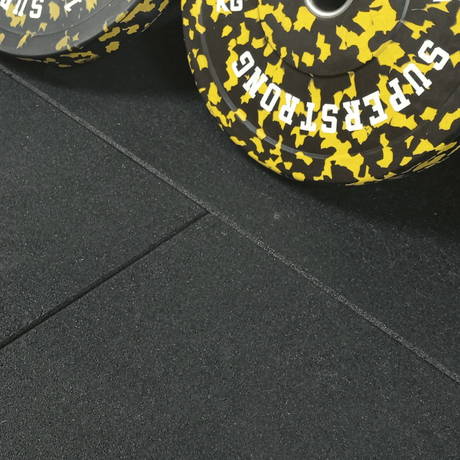
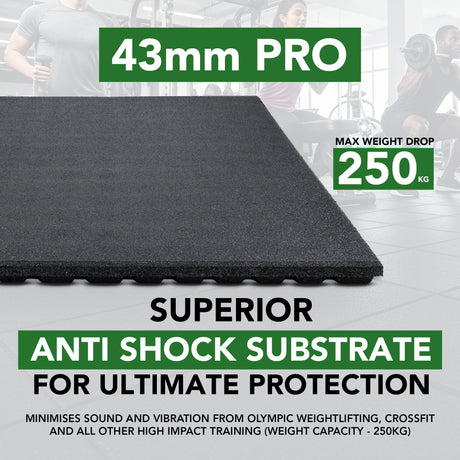
- "I need to go to a gym to build muscle". You can build muscle by exercising anywhere. In fact, exercising in a home gym or home workout area with gym mats gives more flexibility, versatility and the opportunity to experiment.
FAQ
How can a woman build lean muscle fast?
There is no magic quick fix, but combining consistent resistance training, enough protein, enough calories, and proper rest maximises lean muscle gain. Focus on progressive overload and good nutrition. Over weeks and months, you will see strength and tone increase.
How long does it take to build noticeable lean muscle for females?
It depends on many factors (starting point, training intensity, diet, recovery). Many beginners see noticeable improvements - strength, tone, better posture, within 8–12 weeks of consistent effort. Real, visible changes in muscle definition or size often emerge around 3–4 months, especially if nutrition and rest are dialled in.
What should a woman eat to get lean muscle?
Aim for protein‑rich foods at each meal: chicken, turkey, fish, lean meat, eggs, dairy (yoghurt, cottage cheese), legumes, tofu or plant‑based proteins. Spread your protein intake evenly across the day, and make sure you’re eating enough calories overall. Don’t neglect healthy carbs and fats, they provide energy and support hormone function.
What to drink for lean muscle?
Water is essential, aim to stay well hydrated before, during and after workouts. You might also include protein-rich drinks (like a protein shake or milk) within a couple of hours of training to support muscle recovery. If you enjoy coffee or tea, they are fine, but water should be your base.
How long will it take for muscle to show in arms as a woman?
If you consistently train arms (pull‑ups, rows, push‑ups, overhead press, etc.) and eat properly, you might notice increased strength in a few weeks and subtle tone in 2–3 months. Visibility of muscle (definition) depends on body‑fat levels too, if you reduce fat while building muscle, definition will appear sooner.
Final Thoughts
Building lean muscle as a beginner woman doesn’t have to be complicated or intimidating. With a few principled steps, regular resistance training, proper protein and calorie intake, strategic recovery, and consistency, you can sculpt a toned, strong physique while improving your health, strength, and confidence.
Embrace the journey! The initial weeks might feel slow, but stay consistent. Over time, your strength will rise, your body will respond, and you’ll build sustainable lean muscle, not bulky, but powerful, functional, and lean.
Start your strength training at home - browse home gym flooring for the perfect setup.