Want to build muscle at home without a gym membership? You absolutely can. With the right mix of bodyweight workouts and basic home equipment, you’ll target all major muscle groups and see real results, whether you’re a beginner or getting back into strength training.
Best of all, these routines are easy to follow and require minimal equipment, such as dumbbells or resistance bands, so you can train anywhere you’ve got space to move.
Let’s dive into a simple at‑home training plan that helps you build muscle mass, improves core strength, and keeps you consistent with short, effective sessions.
Why Home Workouts Work

You might think you need a gym’s machines or heavy barbells to build strength and muscle. Not true. Home workouts can be highly effective if you follow structured strength training and use progressive overload, gradually increasing challenge through movement difficulty, time under tension or load.
Research shows that bodyweight exercises and compound movements engage multiple muscles at once. This means you’ll build strength all over, from chest and shoulders to legs and core, without needing racks of equipment.
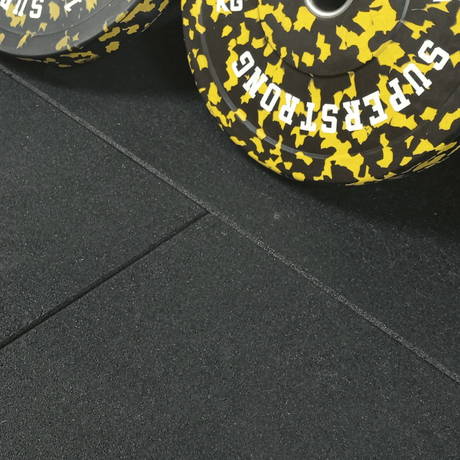
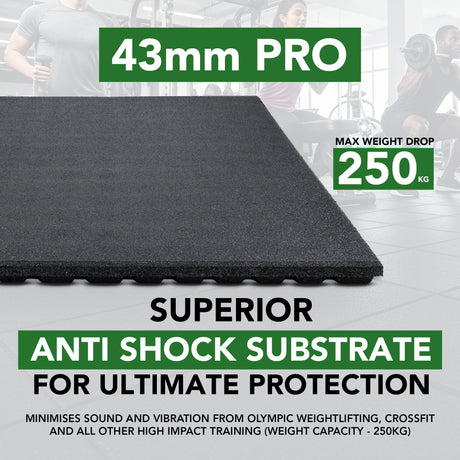
Setting up a small workout area at home with protective gym mats and some basic equipment will make consistency easier, if you plan to build muscle from home sessions rather than go to a commercial gym facility.
How This At‑Home Workout Plan Works
These routines use time‑based circuits, perfect for busy schedules. You’ll work for a set interval, rest briefly, then move to the next exercise. This method keeps your heart rate up and muscles engaged.
Aim for 3 sessions per week on non‑consecutive days. Each workout consists of a warm‑up, two circuits of exercises (one bodyweight, one with basic equipment), and a cool down.
Warm Up (5 Minutes)
Get your body prepped and boost circulation before you train:
- March on the spot (1 minute)
- Arm circles (30 seconds forward, 30 seconds back)
- Bodyweight squats (45 seconds)
- Hip openers (45 seconds)
- Jumping jacks (1 minute)
This gets your heart rate up and mobilises joints, essential for safe, effective strength training.
Circuit 1 — Bodyweight Strength (10 Minutes)

Complete the following cycle:
| Exercise | Work | Rest |
|---|---|---|
| Push‑ups | 40s | 20s |
| Bodyweight Squats | 40s | 20s |
| Plank Position (core) | 40s | 20s |
| Mountain Climbers | 40s | 20s |
| Glute Bridges | 40s | 40s |
How to do it:
Push‑ups
Start in a plank with your hands under your shoulders. Lower until your chest nearly touches the floor and push up. Keep your body in a straight line.
Bodyweight Squats
With feet shoulder width apart, bend at the hips and knees to lower into a full squat, then push up through your heels.
Plank Position
Hold a solid plank with your forearms on the floor, body straight. Focus on core strength and breathing.
Mountain Climbers
From a plank, drive one knee forwards toward your chest, then the other, fast but controlled.
Glute Bridges
Lie on your back with knees bent. Lift hips toward the ceiling, squeeze glutes, then lower slowly.
These moves build strength using your own bodyweight while hitting your upper body, lower body and core.
Circuit 2 — Basic Home Equipment (10 Minutes)

Use accessible equipment such as dumbbells, resistance bands or even filled water bottles.
| Exercise | Work | Rest |
|---|---|---|
| Dumbbell Goblet Squats | 40s | 20s |
| Resistance Band Rows | 40s | 20s |
| Dumbbell Shoulder Press | 40s | 20s |
| Resistance Band Deadlifts | 40s | 20s |
| Dumbbell Russian Twists | 40s | 40s |
How to do it:
Dumbbell Goblet Squats
Hold a dumbbell (or water bottle) at chest height. Squat down & stand up, keeping feet flat and core engaged.
Resistance Band Rows
Secure the band, pull towards your torso, squeeze shoulder blades. This targets your back and helps upper body strength.
Dumbbell Shoulder Press
Stand or sit with dumbbells at shoulder height. Press up overhead with controlled movement.
Resistance Band Deadlifts
Stand on the band, hinge at hips and stand tall. This works posterior chain muscles (glutes, hamstrings and lower back).
Dumbbell Russian Twists
Sit slightly leaning back, lift feet if possible, and twist torso while holding a dumbbell to each side.
These exercises help you add resistance and push your muscles harder than bodyweight alone, which is key for building strength and muscle.
Cool Down (5 Minutes)
Finish every session with stretching to protect muscles and aid recovery:
- Hamstring stretch
- Chest openers
- Quadriceps stretch
- Triceps stretch
Take your time and breathe steadily throughout each stretch.
Tips to Build Muscle at Home

1. Focus on Progressive Overload
Muscle growth only happens when you challenge your muscles beyond their usual workload. You can do this by increasing time under tension, upping resistance with heavier dumbbells or bands, and reducing rest time slowly.
Here is a quick dumbbell weights guide to help establish a progression plan:

2. Maintain Form
Quality always beats quantity. Move in controlled movement, keeping proper alignment and technique to prevent injury and maximise gains.
3. Eat to Support Your Workouts
Protein, healthy fats, and carbohydrates all play a role in muscle repair and growth. Pairing your workouts with a balanced meal plan accelerates progress. Mainly focus on your protein intake for effectively building lean muscle.
4. Rest and Recover
Your muscles grow during rest, not while you’re training! Make space for at least one day of rest between strength sessions.
5. Create a Proper Strength Set-Up
The way to build muscle is by consistency and progressive overload, and to achieve this you need to establish a routine from home. By setting up a proper workout area with accessible equipment and enough space to perform your sessions, motivation and consistency will come much easier. The first step is to invest in the essentials such as rubber gym mats, dumbbell pairs, bands and a timer.
Frequently Asked Questions (FAQ)
What is the easiest exercise at home?
Bodyweight squats and planks are great starter moves. They require no equipment and still work major muscle groups.
Do 10‑minute workouts actually work?
Yes. Short, focused workouts, when done consistently, can improve strength, fitness and muscle tone. You can build muscle even in 10‑minute bursts if intensity and form are right. In fact, a 10 minute high intensity session can be more effective than a 45 minute workout at a moderate pace.
What is the 3‑3‑3 rule for working out?
This rule often refers to mixing three exercises for three sets at three different intensities or intervals, making workouts effective and varied.
What’s a good weekly workout plan?
Aim for 3 strength sessions per week and optionally add a day of light cardio or mobility work. Rest days help muscle recovery.
Is it OK to workout on an empty stomach?
Light activity on an empty stomach can be fine, but fueling your body with a small snack 30–60 minutes before training can help performance and muscle building.
Conclusion
Build real muscle without leaving home. The workouts above use bodyweight and basic home equipment, employ time‑based circuits, and target every major muscle group. With consistency and the right effort, you’ll feel stronger and fitter week by week.
Setting up a home workout space? Browse fitness flooring for home gym to get started.