If you have ever Googled “how to lose weight without dieting”, you are not alone. Millions of people search for ways to lose weight that feel doable, sustainable and lifestyle‑friendly, without being tied to a rigid diet plan. The good news? Yes, it really can work, but not in the way that marketing campaigns make you think. There is no magic pill or trick that melts fat overnight. Instead, it comes down to small, daily choices that add up over time.
In this article, I’ll share practical, science‑backed advice and real‑life strategies you can start using today to shed extra weight without traditional dieting. This is about lasting change, healthier eating habits, and smarter lifestyle decisions that help you feel better and move toward a healthier weight naturally.
What “losing weight without dieting” really means
When we talk about losing weight without dieting, we aren’t advocating ignoring nutrition. Instead, we mean making sustainable choices that lead to a calorie deficit or healthier behaviour without strict meal plans or obsessive calorie counting.
Some people on Reddit who have walked this path share similar tips: they focus on eating whole foods, reducing sugar, choosing smaller portions, and enjoying movement without labelling it “dieting” or counting calories.
The NHS also advise that losing weight is less about perfection and more about gradual, sustainable changes to your daily habits.
How does weight loss actually happen?
To lose weight, your body needs to use more energy than you take in. Most people automatically think this means restricting food intake drastically or cutting out entire food groups. But you don’t need to embrace a strict diet to create that energy imbalance. You can do it through a combination of:
- Healthier eating habits
- More daily movement
- Better hydration and sleep
- Stress management and mindful behaviour
Together, these can contribute to weight loss without traditional dieting.
1. Become more mindful about eating

A few smart tweaks around how and what you eat can make a big difference:
Focus on whole foods
Choosing whole, unprocessed foods, like vegetables, fruit, lean proteins, legumes, beans and whole grains, helps you naturally reduce empty calories without counting numbers. Whole foods are more filling and nutrient‑rich, so you tend to eat less overall without feeling deprived (see section below for recommendations).
Swap sugary drinks for water
Sugary drinks and high‑calorie beverages sneak a lot of calories into our diets without making us feel full. Swapping these for water, even sparkling water — can reduce overall calorie intake and help keep hunger at bay.
Learn intuitive eating
Instead of following restrictive rules, intuitive eating teaches you to listen to hunger and fullness cues. This approach fosters a positive relationship with food and can help you naturally reduce overeating even without traditional dieting.
Be mindful of portion sizes
Simple tricks like using smaller plates or pouring your meals into bowls instead of eating from large containers can help control portion sizes without feeling like a diet. Research shows smaller plates can reduce how much you eat without making you feel deprived.
Eat balanced meals
Try to include protein, fibre and healthy fats at meals. These elements help you feel fuller for longer, which naturally leads to eating fewer calories, without strict dieting.
2. Move more without formal exercise

You do not need intense gym sessions or a strict exercise regime to support weight loss. Even increasing everyday activity — which contributes to what some call NEAT (non‑exercise activity thermogenesis) — can make a difference. These are the little movements you do throughout the day, like walking, taking stairs, or doing chores.
Here's a list of NEAT in daily life that can be increased/added into your routine.

Walking — simple and effective
Walking is one of the easiest ways to burn extra calories and improve health. Brisk walking counts towards regular physical activity and supports fat loss over time.
You don’t have to walk for hours. Even 10–30 minutes of brisk walking each day can boost calorie burn and kick‑start a weight loss journey.
Try low‑impact alternatives
If walking isn’t your thing or if you have joint concerns, low‑impact movement like water walking or water aerobics can help you burn calories while being gentle on your body.
Keep active in everyday life
Think beyond workouts. Gardening, housework, playing with kids, or walking while you talk on the phone — these all add up and help you burn more calories without a “workout”.
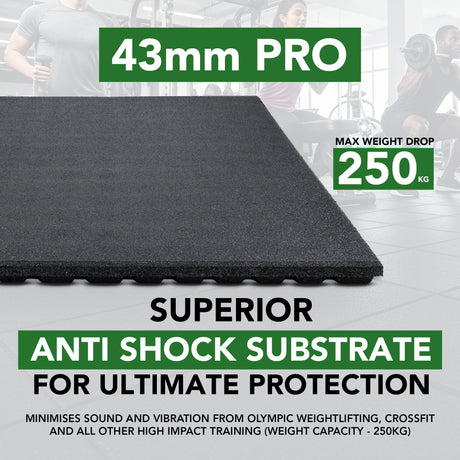
One thing to note - exercise in all forms is hugely effective for weight loss AND maintaining a healthy weight. Opting for workout styles such as HIIT and strength training at home can not only accelerate your weight loss journey but help to create a lifestyle habit for the future - a healthier and more rewarding one. Investing some basic kit, for example home fitness mats and some dumbbells can motivate you to exercise more regularly.
3. Address hunger and cravings naturally

It is easier to make healthier choices when your body isn’t screaming for food all the time. Here are strategies that help:
Hydrate properly
Sometimes thirst masquerades as hunger. Drinking water before meals can help you feel fuller and reduce overeating. It is a simple swap with real benefits.
Prioritise protein and fibre
Protein and fibre help slow digestion and increase satiety, which naturally keeps calorie intake down without feeling like you are dieting.
Strengthen sleep habits
Poor sleep affects hunger hormones, which can lead to cravings and overeating. Making sleep a priority supports your weight loss efforts in a big way.
4. Manage stress and mindset
Chronic stress increases cortisol, which can drive cravings for high‑calorie foods and promote fat storage. Simple stress management — like walking outdoors, deep breathing, or journaling — can reduce stress‑driven eating.
5. Avoid traps that block progress

Even with better habits, certain obstacles can slow or stop your progress:
- Sugary drinks and snacks pack calories without real nutrition.
- Skipping meals may lead to overeating later on.
- Ultra‑processed foods often lack fibre and nutrients and fail to satisfy hunger.
- High stress and poor sleep can derail cravings and appetite control.
- Sedentary routines limit calorie burn.
Addressing these helps you lose weight more consistently without dieting.
Naturally nutritious healthy foods that support weight loss

Choosing foods that offer great nutrition and satisfaction is one of the most powerful ways to lose weight without dieting. Below are food categories and examples you can easily include in your meals and snacks.
High‑quality proteins
Protein helps keep you full for longer and supports muscle maintenance. Focus on options like:
- Lean meats: Chicken, turkey and lean cuts of beef or pork.
- Fish and seafood: Salmon, tuna and other fish rich in omega‑3s are filling and nutritious.
- Eggs: Excellent source of complete protein.
- Greek yoghurt and cottage cheese: Packed with protein and calcium.
- Beans, lentils and pulses: Great plant‑based protein and fibre.
- Tofu, tempeh and edamame: Strong plant‑based protein options, ideal for vegetarian or vegan meals.
These foods can help you feel fuller on fewer calories and support your weight loss journey without rigid dieting.
Complex carbohydrates
Complex carbs release energy more slowly and help you stay satisfied longer than simple sugars:
- Whole grains: Brown rice, quinoa and oats are excellent choices.
- Starchy vegetables: Sweet potatoes and root vegetables provide fibre and vitamins.
- Whole‑grain breads/pastas: Better than refined versions for energy and fullness.
These offer steady energy and fibre which supports digestion and satiety — two ingredients that help with weight loss without dieting.
Colourful vegetables and fruits
Eating plenty of vegetables and fruit is a cornerstone of healthy eating. They are low in calories, high in fibre and full of vitamins and antioxidants. UK healthy eating guidance recommends at least five portions a day.
Examples include:
- Leafy greens like spinach, kale and cabbage
- Broccoli, peppers and tomatoes
- Berries and apples for natural sweetness and fibre
Healthy fats in moderation
Healthy fats can help you feel satisfied and are essential for nutrient absorption:
- Avocados and olive oil add flavour and health benefits.
- Nuts and seeds (like chia, flax or almonds) provide nutrients and fibre.
Even though fats are calorie‑dense, including modest portions can prevent overeating by keeping you full longer.
A realistic expectation: What this approach can achieve
It is important to be honest about results. While lifestyle changes can lead to weight loss, large amounts of weight (like 10kg in a month without diet or exercise) are typically unrealistic without significant calorie restriction or intensive activity. Most evidence shows that exercise alone without dietary changes may result in modest weight loss over a long period, and combining lifestyle changes yields better outcomes.
The magic is in consistency, patience and small improvements. Some people see steady progress within weeks, while others take months. The journey is individual - and that’s okay!
FAQ
Can you still lose weight without dieting?
Yes. By selecting healthier foods, managing portion sizes, increasing daily movement and supporting good sleep and stress habits, you can reduce calorie intake and promote a healthy weight without strict dieting.
Does drinking water help with weight loss?
Yes! Drinking water before meals or throughout the day can reduce hunger, help you feel fuller and support metabolism — all of which can contribute to weight loss over time.
Is exercise necessary if I am not dieting?
Exercise supports weight loss, but you do not need formal workouts. Increasing daily movement like walking or low‑impact activities helps boost calorie burn and improves health.
What blocks weight loss?
Hidden calorie sources, irregular sleep, high stress, ultra‑processed foods, sedentary habits and eating large portions can all slow or block fat loss.
How much walking helps weight loss?
Consistency matters more than intensity. Regular brisk walks of 20‑30 minutes a day can support fat loss and overall health.
Looking to insert more mindful movement into your daily routine? Browse our home gym mats and workout essentials for beginners.