Eight 1 km runs. Eight workout stations. One finish line. That is what makes HYROX such a brutal and brilliant fitness race.
HYROX is not a niche event any more. Since launching in 2017, it has grown rapidly, with over 90,000 athletes competing in the 2022/23 season alone (HYROX). That growth says a lot. More people want a fitness race that rewards real-world strength, running endurance and smart pacing, not just gym numbers.
If you want to perform well, a random mix of gym sessions and steady jogging will not cut it. A strong HYROX training workout needs to build running endurance, lower body strength, grip, pacing and mental toughness, all while preparing your body to run hard under fatigue.
Official HYROX race format stays the same across events: 1 km of running followed by 1 workout station, repeated eight times, for a total of 8 km running plus eight stations. Those stations are SkiErg, sled push, sled pull, burpee broad jumps, row, farmer's carry, sandbag lunges and wall balls.
Why HYROX training is different from regular gym training

A HYROX race rewards more than overall fitness. It tests whether you can hold race pace when your heart rate is high, your legs are full of lactic acid and your grip is fading. That is why the best HYROX training program blends endurance training, strength training and race-specific functional training.
In my view, most people make the same mistake. They either focus too much on running or they spend all their energy on the exact exercises without building enough aerobic fitness. HYROX sits in the middle. You need speed, strength and endurance together.
It is not a half marathon, but it can feel tougher because every run begins after a demanding workout station. The sled push and sled pull hit the lower body hard. Burpee broad jumps and walking lunges drive up fatigue. Wall balls punish tired shoulders and legs right at the end. That is why compromised workouts matter so much in a smart training plan. Official HYROX guidance also stresses practising running after stations and building cardio for an event that averages around 90 minutes for many racers.
“It’s a myth that running and strength training don’t go together.” (Jake Dearden)
Hyrox stations cheat sheet: what each station tests + 1 training tip per station

HYROX follows a fixed race format, which is one reason it has become such a popular fitness race. You run 1 km, then complete 1 workout station, and repeat that pattern eight times. Because the format never changes, smart hyrox training is all about knowing exactly what each station tests and preparing for it with purpose.
1. SkiErg
What it tests: Upper body pulling strength, core control and aerobic efficiency.
1 training tip: Drive each stroke from the hips, then finish with the arms. If you pull mostly with your upper body, you will burn out far too early.
The SkiErg opens the hyrox event with 1,000m, so it can set the tone for your whole race day. A smooth rhythm matters more than going flat out in the first 200m.
2. Sled Push
What it tests: Lower body power, horizontal force production and full-body bracing.
1 training tip: Stay low, keep your arms locked in and use short, powerful steps instead of overstriding.
The sled push covers 50m and is one of the most demanding hyrox stations for many athletes. It exposes weaknesses in leg drive, posture and pacing very quickly, especially when your heart rate is already high from the run. Current HYROX singles standards vary by division, with heavier weights in Pro categories.
3. Sled Pull
What it tests: Posterior chain strength, grip, coordination and the ability to keep moving under tension.
1 training tip: Lean back slightly, brace your trunk and pull hand-over-hand with steady footwork rather than yanking the rope.
Like the sled push, the sled pull covers 50m. It is not just an arm exercise. Strong glutes, hamstrings, back and grip all help you move the sled efficiently without wasting energy.
4. Burpee Broad Jumps
What it tests: Explosive power, bodyweight control and fatigue resistance.
1 training tip: Find a repeatable rhythm and protect your breathing. This is not the place to sprint and blow up.
Burpee broad jumps cover 80m in the official race format. They are often where race pace starts to unravel because they spike fatigue and make the next 1 km running segment feel much harder.
5. Row
What it tests: Full-body endurance, leg drive and aerobic control under fatigue.
1 training tip: Push hard through the legs first, then finish the stroke with the body and arms. Efficient rowing saves vital energy.
The row is 1,000m and arrives deep enough into the race that pacing really matters. Treat it as a chance to stay strong without letting your heart rate spiral before the final three stations.
6. Farmer’s Carry
What it tests: Grip strength, postural stability, core tension and mental composure.
1 training tip: Keep your shoulders down and back, walk tall and resist the urge to rush if the bells start swinging.
Farmer's carry is 200m in HYROX. It looks simple, but grip fatigue can build fast, especially for a beginner tackling their first hyrox race. This is one of the clearest examples of why strength training and functional fitness work need to sit alongside running endurance in a proper training plan.
7. Sandbag Lunges
What it tests: Quad endurance, one leg stability, trunk strength and balance under load.
1 training tip: Keep your chest tall and use short, controlled steps. Reaching too far forward usually wastes energy and breaks rhythm.
Sandbag lunges cover 100m and can feel brutal late in the race. They demand control more than speed, especially when your lower body is already fatigued from the sled push, sled pull and running.
8. Wall Balls
What it tests: Muscular endurance, squat capacity, shoulder stamina and mental toughness.
1 training tip: Break the reps before you are forced to. Small planned sets are far better than hitting failure and staring at the medicine ball!
Wall balls finish the race and are one of the biggest make-or-break stations on race day. The rep target depends on division, with current standards including 75 reps in some women’s open divisions and 100 reps in many others. That is why practising pacing under fatigue is so important.
How to use this cheat sheet in training
The best way to use this section is to turn it into a weekly check-in. Ask yourself one simple question: Which station is most likely to slow me down right now? Then give that station extra attention in one session each week.
For example, if the sled push ruins your race pace, prioritise lower body strength and short, heavy efforts. If wall balls are your weak point, build squat endurance, shoulder stamina and breathing control. If burpee broad jumps wreck your running, practise compromised workouts that pair broad jumps with 400m to 1 km running.
That is where a good hyrox training workout becomes more than general fitness. It becomes specific preparation for the exact exercises you will face on race day.
The 8 exercises of HYROX and what they demand

1. Ski erg
The ski erg opens the hyrox event with 1000m of pulling. It looks controlled, but it can spike your heart rate early. Focus on rhythm, posture and efficient breathing. I like to think of it as a chance to settle nerves without wasting energy.
2. Sled push
This is where building strength really pays off. The sled push is one of the most decisive hyrox stations because poor technique and weak leg drive can destroy your race experience. Strong glutes, quads, calves and trunk stability matter here.
3. Sled pull
The sled pull demands power, timing and grip. It is not just an upper body test. You need full-body tension, good footwork and the ability to keep moving when tired.
4. Burpee broad jumps
Burpee broad jumps are one of the biggest momentum breakers in the race format. They challenge coordination, mobility and pacing. Go out too hot and you will pay for it on the next run.
5. Row
The row is another 1000m engine test. Good technique saves energy. Bad technique adds unnecessary fatigue to your back, arms and heart rate.
6. Farmer's carry
Farmer's carry tests grip, posture and composure. Heavy kettlebells feel even heavier after multiple runs. If grip is a weakness, this station will expose it quickly.
7. Sandbag lunges
Sandbag lunges load the lower body and demand control through every step. One leg strength, balance and trunk stability all matter. This is why split squats, step-ups and walking lunges belong in many hyrox workouts.
8. Wall balls
Wall balls finish the race and often decide whether you grind through or fall apart. You need leg endurance, shoulder stamina and the discipline to break reps before form collapses. HYROX lists 100 wall balls as the final station.
How long do you need to train for HYROX?

That depends on your current fitness level, training volume and goals.
For a beginner HYROX training plan, I think 8 to 12 weeks is a sensible target. That gives you enough time to build running endurance, practise the workout station demands and include a deload week before race day.
There are free HYROX training plan PDF options online, and many athletes look for a beginner HYROX training plan PDF or HYROX 8 week training plan PDF, but the real key is consistency rather than chasing the perfect file. Several current training resources aimed at beginners and charity entrants now offer 4, 8 and 12 week plans, which supports that general preparation window.
A seasoned athlete with a strong running background may need less time. Someone coming from pure strength or CrossFit may need more running work. HYROX is not just about surviving the stations. It is about moving efficiently between them.
How should a beginner train for HYROX?
The simplest answer is this: train running first, then layer in strength, then practise race-specific sessions.
1. Build your running base
Running makes up 8 km of the race, broken into repeated efforts. That means one long run each week is useful, but it is not enough on its own. I would include:
- one easy run at conversational pace
- one interval or tempo session for speed and race pace
- one long run to build endurance
This mix improves aerobic fitness, heart rate control and confidence. It also helps you recover faster between stations.
2. Build strength in the right places
Prioritise lower body power, upper back strength, grip and trunk stability. Good staples include:
- squats
- deadlifts
- split squats
- walking lunges
- sled push practice
- sled pull practice
- farmer's carry
- push ups
- row and ski erg intervals
You do not need flashy programming. You need exercises that build force and help avoid injury.
3. Use compromised workouts
Compromised workouts teach your body to run after heavy functional work. That is essential for hyrox training. Examples include:
- 800m running + 25m sled push x 4
- 1 km running + 20 burpee broad jumps x 4
- 1 km running + 25 wall balls x 4
These are not full race simulations, but they create the exact discomfort you must learn to manage.
4. Recover properly
Rest is training. Build in at least one rest day each week. Use active recovery, mobility work and lighter sessions to manage fatigue. A deload week before race day can help you arrive sharp instead of flat.
A practical weekly HYROX training workout structure
Here is a simple single week layout that works for many fitness levels:
Day 1: Speed and running endurance
Intervals such as 6 x 800m at strong but controlled pace, with easy recovery jogs.
Day 2: Strength session
Focus on sled push, sled pull, lunges, squats, upper back work and grip.
Day 3: Easy run and mobility
Keep this at conversational pace. The goal is recovery and aerobic development.
Day 4: HYROX workout station circuit
Ski erg, row, farmer's carry, sandbag lunges, wall balls and burpee broad jumps. Keep transitions tight.
Day 5: Rest day
Full rest or very light active recovery.
Day 6: Compromised workout
Example:
3 rounds of
1 km running
50m sled push
50m sled pull
20 burpee broad jumps
25 wall balls
Day 7: Long run
Steady effort to build endurance without draining the body.
This kind of structure suits beginners and also gives a hyrox athlete room to progress. As fitness improves, you can add heavier weights, tighter rest periods or more race-specific intensity.
HYROX training workouts at home
You can still make great progress without full race equipment. Hyrox training workouts at home can develop plenty of the qualities you need.
If you do not have a sled track or ski erg, swap in movements that target similar demands:
- walking lunges or reverse lunges for sandbag lunges
- dumbbell or kettlebell carries for farmer's carry
- burpees with broad jumps marked on the floor
- wall balls with a medicine ball, or thrusters if space is limited
- shuttle runs for short running efforts
- resistance band drags for basic sled pull patterns
A home setup will not perfectly match race day, but it can still improve performance. Then, when possible, test the exact exercises in a gym before your first HYROX.
Race day tips that matter
Pace the first run
Your first run should feel controlled. Do not sprint because the crowd is loud. Save your energy for the full hyrox race.
Respect the sled stations
The sled push and sled pull can wreck your legs early. Stay patient, brace hard and keep your steps short and deliberate.
Break wall balls before failure
The final station is won by smart pacing. Small planned breaks beat one big collapse.
Practise transitions
Fast movement in and out of each workout station can save valuable time without extra fitness.
Train your mind
Mental toughness counts when fatigue rises. The best hyrox workouts do not just train muscles. They train your response to discomfort.
Is HYROX harder than CrossFit?
They are hard in different ways.
CrossFit often rewards explosive power, gymnastics skill and varied movement patterns. HYROX is more standardised. Because the race format is fixed, you can train very specifically for it.
For many people, HYROX feels harder from an endurance perspective because of the 8 km of running and the need to repeat efforts with limited rest. The official format is designed to be consistent across global events and divisions, with heavier weights used in Pro categories while the running distance remains the same.
That standardisation is also why progress is so satisfying. You know what is coming, and you can measure improvement clearly from one hyrox event to the next.
FAQ
What are the workouts for HYROX?
A HYROX race includes 8 x 1 km running efforts and 8 stations: ski erg, sled push, sled pull, burpee broad jumps, row, farmer's carry, sandbag lunges and wall balls.
How many burpees should I do for HYROX?
The official station is 80m of burpee broad jumps, not a fixed rep count. In training, I would use distance-based sets where possible so the workout matches race demands more closely.
What is the best HYROX training program for beginners?
The best HYROX training program is one you can follow consistently for 8 to 12 weeks. It should include running, strength work, compromised workouts, active recovery and at least one rest day.
Can I find HYROX training workouts free online?
Yes. Many people search for HYROX training workouts free, a HYROX training program PDF, or a free HYROX training plan PDF. Those can help, but the strongest results usually come from adapting the plan to your current fitness level and race goals.
How often should I train each week for HYROX?
For most people, 4 to 6 sessions per week works well. That is enough to build endurance, running speed, strength and skill without making recovery impossible.
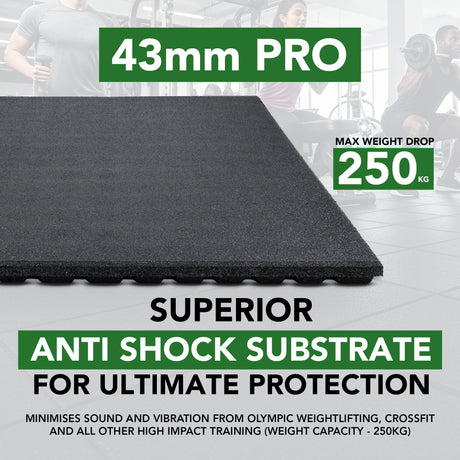
Planning Hyrox training at home? Explore our tried and tested home gym flooring solutions designed for high intensity training.