![Functional Training: Build Real-World Strength with the Right Gym Flooring [2026 GUIDE]](http://www.gym-flooring.com/cdn/shop/articles/GET_30_OFF_-_use_SPRUNG30_22_bf41020e-d886-4c4e-b71d-790485bb6531.png?v=1771414179&width=1600)
Table of Contents
- What is Functional Training?
- Why Functional Training is Essential for Real-World Fitness
- Flooring Requirements for Functional Training Spaces
- 3 Best Flooring Options for Functional Training
- Choosing the Right Thickness for Your Functional Training Floor
- How to Set Up Your Functional Training Space
- Ready to Transform Your Training?
If you're tired of isolated exercises that don't translate to everyday life, functional training might be exactly what you need. This dynamic approach to fitness focuses on movements that mirror real-world activities, helping you build strength, balance, and coordination that actually matter outside the gym.
But here's the thing: functional training demands a lot from your gym floor. With explosive movements, heavy equipment drops, and constant directional changes, you need fitness flooring that can keep up with your training intensity while protecting both you and your equipment.
In this comprehensive guide, we'll explore what makes functional training unique and how to choose the perfect flooring solution for your space.
What is Functional Training?
![Functional Training: Build Real-World Strength with the Right Gym Flooring [2026 GUIDE]](https://cdn.shopify.com/s/files/1/0277/7939/9793/files/GET_30_OFF_-_use_SPRUNG30_24_600x600.png?v=1771413680)
Functional training is a fitness approach that prepares your body for real-life movements and activities. Unlike traditional bodybuilding exercises that isolate specific muscles, functional training uses compound movements that engage multiple muscle groups simultaneously.
Common Functional Training Exercises Include:
- Kettlebell swings and Turkish get-ups
- Battle rope exercises
- Box jumps and plyometric movements
- Medicine ball slams and throws
- Sled pushes and pulls
- Sandbag carries and lifts
- TRX suspension training
- Agility ladder drills

These movements mimic everyday activities like lifting groceries, climbing stairs, or playing with your kids, making you stronger and more capable in daily life.
"Since switching to functional training, I've noticed a huge difference in how I move throughout the day. My back doesn't ache after gardening, and I can keep up with my grandchildren without getting winded. The investment in proper gym flooring made all the difference in creating a safe space to train." - Sarah T., Home Gym Enthusiast, Manchester
Why Functional Training is Essential for Real-World Fitness
![Functional Training: Build Real-World Strength with the Right Gym Flooring [2026 GUIDE]](https://cdn.shopify.com/s/files/1/0277/7939/9793/files/GET_30_OFF_-_use_SPRUNG30_23_600x600.png?v=1771413708)
Functional training has exploded in popularity, and for good reason. Here's why this training style delivers results that matter:
1. Improves Everyday Movement Patterns
By training movements rather than muscles, you develop coordination and strength that translates directly to daily activities. Picking up heavy objects, reaching overhead, and changing direction quickly all become easier.
2. Reduces Injury Risk
Functional exercises strengthen stabilizer muscles and improve balance, helping prevent common injuries both in and out of the gym. Your body learns to move efficiently and safely under load.
3. Burns More Calories
Compound movements engage multiple muscle groups simultaneously, creating a higher metabolic demand. This means you burn more calories during and after your workout.
4. Builds Core Strength
Nearly every functional exercise requires core engagement for stability and power transfer. You'll develop a strong, functional core without endless crunches.
5. Increases Athletic Performance
Whether you're a weekend warrior or competitive athlete, functional training improves power, speed, agility, and endurance in ways that directly enhance sport performance.
6. Keeps Workouts Engaging
The variety of movements and equipment keeps training fresh and challenging. You're less likely to hit a plateau or lose motivation.
Flooring Requirements for Functional Training Spaces
![Functional Training: Build Real-World Strength with the Right Gym Flooring [2026 GUIDE]](https://cdn.shopify.com/s/files/1/0277/7939/9793/files/GET_30_OFF_-_use_SPRUNG30_26_600x600.png?v=1771414055)
Functional training is demanding on gym flooring. Here's what your floor needs to handle:
Impact Absorption
Box jumps, burpees, and plyometric exercises create significant impact forces. Your flooring must absorb shock to protect your joints and reduce noise, especially important for home gyms in shared buildings.
Durability Against Dropped Weights
Kettlebells, medicine balls, and dumbbells will inevitably hit the floor. Quality home gym flooring prevents damage to both your equipment and the subfloor beneath.
Slip Resistance
Functional training involves rapid directional changes and dynamic movements. A slip-resistant surface is essential for safety, particularly during high-intensity intervals when you're sweating.
Easy to Clean
Functional training is intense work. Your flooring should be easy to wipe down and maintain hygiene standards, resisting moisture and bacteria growth.
Versatility for Multiple Activities
Your space might host kettlebell circuits one day and agility drills the next. The flooring needs to support diverse training modalities without compromise.
Defined Training Zones
Many functional training spaces benefit from visual zones for different activities. Flooring that allows for colour coding or pattern variation helps organize your space effectively.
3 Best Flooring Options for Functional Training
After years of helping fitness enthusiasts and commercial gyms optimize their training spaces, we've identified three flooring solutions that excel for functional training:
1. Rubber Gym Tiles (20mm - 25mm)
Best For: Home gyms and multi-purpose training areas
Rubber gym tiles strike the perfect balance between protection, versatility, and ease of installation. At 20mm to 25mm thickness, they provide excellent shock absorption for plyometric exercises while remaining stable enough for strength work.
Key Benefits:
- Interlocking design makes installation straightforward - no adhesive required
- Individual tiles can be replaced if damaged
- Available in various colours for zone designation
- Excellent noise reduction for apartment or garage gyms
- Durable enough for dropped kettlebells and medicine balls
Considerations:
Seams between tiles may be visible, though this rarely affects performance. For heavy barbell work, consider upgrading to thicker options in specific zones.
"I installed 20mm rubber tiles in my garage gym last year, and they've been brilliant for my functional training routine. The interlocking system was so easy - I had the whole space done in an afternoon. They handle everything from kettlebell swings to box jumps without any issues." - James P., Personal Trainer, Leeds
2. Rubber Gym Rolls (6mm - 10mm)
Best For: Large commercial spaces and dedicated functional training zones
Rubber rolls create a seamless surface ideal for agility work, sled pushes, and dynamic movements. While thinner than tiles, rolled rubber flooring excel in applications where a smooth, continuous surface is priority.
Key Benefits:
- Seamless installation creates professional appearance
- Perfect for agility ladders and cone drills
- Cost-effective for covering large areas
- Easy to clean and maintain
- Excellent for bodyweight and light equipment training
Considerations:
Thinner profile means less shock absorption for high-impact activities. Best combined with thicker tiles in heavy-use zones.
3. Heavy-Duty Rubber Tiles (30mm - 43mm)
Best For: High-intensity functional training and CrossFit-style workouts
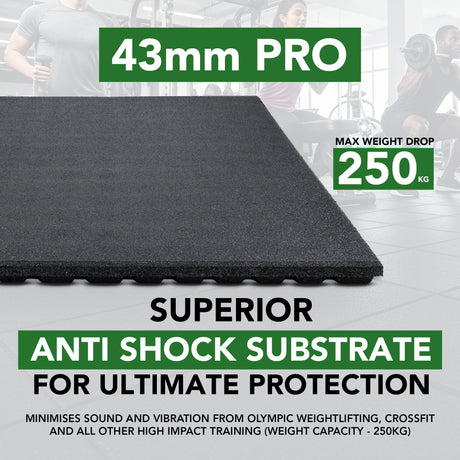
When your training involves Olympic lifts, heavy medicine ball slams, and maximum-effort plyometrics, heavy-duty rubber tiles deliver unmatched protection and durability.
Key Benefits:
- Maximum shock absorption protects joints and equipment
- Withstands repeated heavy weight drops
- Superior noise reduction for intense training
- Long-lasting investment for serious athletes
- Provides stable platform for all training modalities
Considerations:
Higher initial investment and thicker profile may require door adjustments in some spaces.
"We upgraded our functional training area to 43mm rubber tiles, and the difference is remarkable. Our members can go all-out with medicine ball slams and box jumps without worrying about noise complaints from the yoga studio below. Best investment we've made in our facility." - Marcus R., Gym Owner, Birmingham
Choosing the Right Thickness for Your Functional Training Floor
Thickness matters significantly in functional training environments. Here's how to choose:
6mm - 10mm: Light Functional Training
Ideal for bodyweight exercises, TRX training, yoga, and light kettlebell work plus an excellent support for heavy cardio machines. Perfect for multi-purpose spaces where functional training is one of several activities.
20mm - 25mm: Standard Functional Training
The sweet spot for most home gyms and functional training areas. Handles plyometrics, moderate weight drops, and diverse training modalities with excellent protection.
30mm - 43mm: High-Intensity Functional Training
Designed for serious athletes and commercial facilities. Provides maximum protection for heavy lifts, intense plyometrics, and daily high-volume use.
Pro Tip: Consider a hybrid approach with thicker tiles in high-impact zones (where you do box jumps or drop weights) and thinner flooring in areas designated for agility work or stretching. This optimizes both performance and budget.
How to Set Up Your Functional Training Space
![Functional Training: Build Real-World Strength with the Right Gym Flooring [2026 GUIDE]](https://cdn.shopify.com/s/files/1/0277/7939/9793/files/GET_30_OFF_-_use_SPRUNG30_25_600x600.png?v=1771414098)
Creating an effective functional training area goes beyond just laying down flooring. Here's how to maximize your space:
1. Define Your Training Zones
Designate specific areas for different activities: a strength zone for kettlebells and dumbbells, a plyometric zone for box jumps and burpees, and an agility zone for ladder drills and cone work.
2. Consider Traffic Flow
Arrange equipment and zones to allow smooth transitions between exercises. Functional training often involves circuits, so minimize obstacles and create clear pathways.
3. Prioritize Safety Clearances
Ensure adequate space around equipment for full range of motion. Battle ropes need length, box jumps require landing space, and medicine ball throws need wall clearance.
4. Install Flooring Before Equipment
Always lay your gym flooring first, then position equipment. This protects your investment and makes future rearrangement easier.
5. Use Colour Coding
Different colored tiles can designate zones, create visual interest, and help with exercise spacing. Many functional training facilities use contrasting flecked colour gym mats to define workout areas.
6. Plan for Expansion
Leave room to grow your equipment collection and training options. Modular flooring systems make it easy to expand your space as your fitness journey evolves.
Ready to Transform Your Training?
Functional training delivers real-world results that extend far beyond the gym. By choosing the right flooring for your space, you create a safe, durable, and versatile environment where you can push your limits and achieve your fitness goals.
Whether you're setting up a home gym for personal training or outfitting a commercial facility, investing in quality gym flooring protects your equipment, reduces injury risk, and enhances every workout.
The right floor makes all the difference. It's the foundation of every burpee, every kettlebell swing, and every personal record you'll set.
Looking to create your own functional training space? Explore our gym flooring collection to find the perfect solution for your needs. Our team is here to help you design a space where you can train hard, stay safe, and build the real-world strength that matters.
Now it's time to train with purpose and confidence.